Introduction
You’ve heard the buzz about hydrogen water and its potential health benefits. Maybe you even bought a hydrogen water bottle or tried pre-packaged hydrogen water drinks. But weeks later, you’re still waiting to feel the dramatic changes others rave about. You’re not alone, and you’re not imagining it.
The truth is, many people don’t experience noticeable effects from hydrogen water, but this doesn’t mean hydrogen water doesn’t work. The disconnect usually comes down to seven critical factors: product quality, hydrogen concentration, usage patterns, individual biology, realistic expectations, duration of use, and timing of consumption.
In this comprehensive guide, we’ll explain exactly why some people feel nothing from hydrogen water, break down the science behind what actually works, and show you how to maximize your chances of experiencing real benefits. We’ll also examine what separates effective hydrogen water products from the countless ineffective options flooding the market.
Whether you’re skeptical, disappointed, or simply curious, understanding these factors will save you money and help you make informed decisions about hydrogen water.
What Is Hydrogen Water?
Hydrogen water is regular water (H₂O) that has been infused with additional molecular hydrogen gas (H₂). Unlike the hydrogen already bound in water molecules, this extra hydrogen exists as dissolved gas that your body can absorb.
The key distinction here is crucial: we’re talking about molecular hydrogen (H₂), not additional water molecules or hydrogen ions. Molecular hydrogen consists of two hydrogen atoms bonded together, creating the smallest molecule in existence. This tiny size allows it to penetrate cell membranes, cross the blood-brain barrier, and even enter mitochondria where cellular energy is produced.
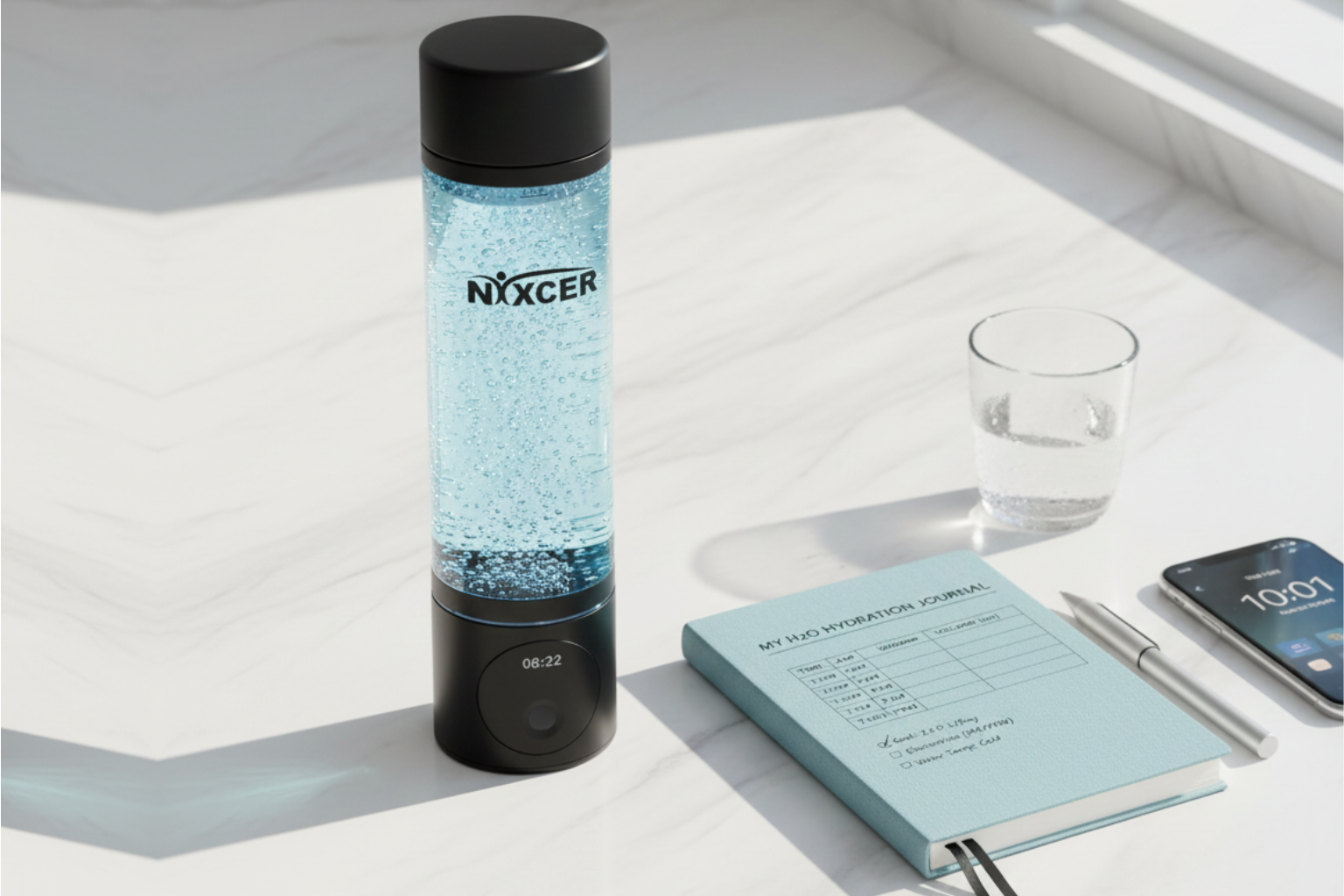
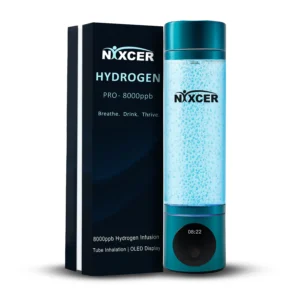
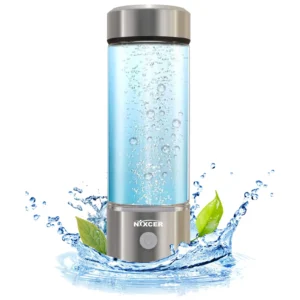
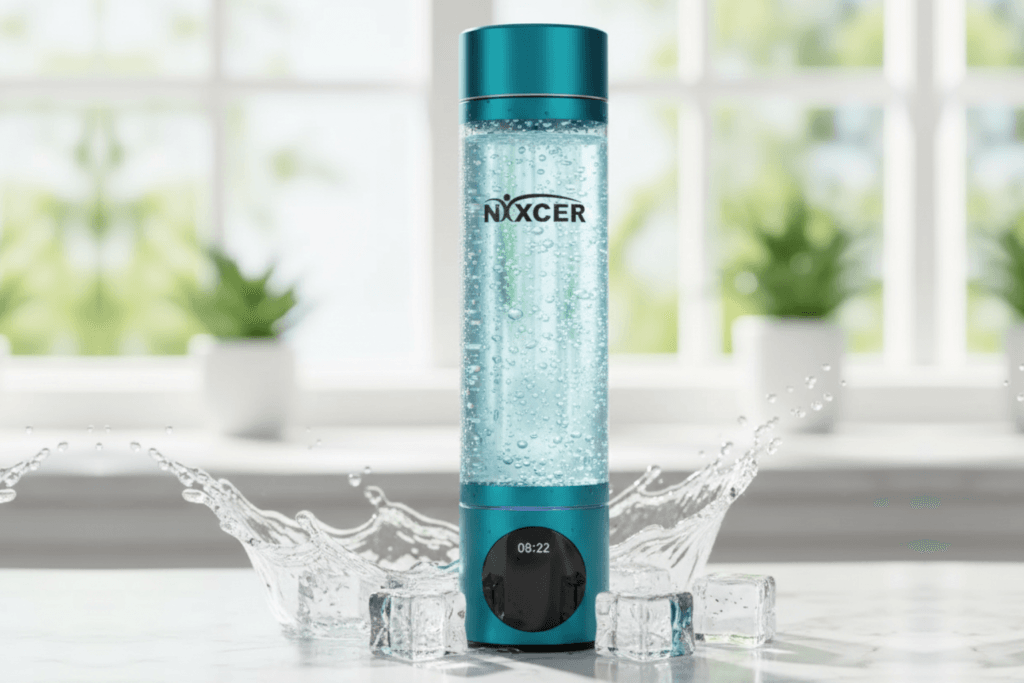
Hydrogen water is created through several methods, including electrolysis (the most common in portable bottles), dissolving hydrogen tablets, or bubbling hydrogen gas directly into water. The electrolysis method, used by the best hydrogen water bottles like the Nixcer Pro, splits water molecules to generate hydrogen gas, which then dissolves back into the water.
The concentration of dissolved hydrogen is measured in parts per billion (PPB) or parts per million (PPM). This measurement is absolutely critical to whether you’ll experience any effects. Water can only hold so much dissolved hydrogen before it reaches saturation, and most products deliver concentrations far below therapeutic levels.
Commercial bottled hydrogen water typically contains 0.5-1.5 PPM of dissolved hydrogen. Quality hydrogen water bottles can produce 1.0-8.0 PPM (1000-8000 PPB). Research suggests therapeutic effects typically require concentrations above 0.5 PPM, with optimal benefits appearing at 1.5 PPM or higher.
The molecular hydrogen doesn’t change the taste, pH, or appearance of water. It remains dissolved temporarily but begins escaping the water as soon as it’s produced, which is why consumption timing matters significantly.
How Hydrogen Water Works in Your Body
Molecular hydrogen acts primarily as a selective antioxidant in your body. Unlike other antioxidants that neutralize both helpful and harmful oxidative species, molecular hydrogen specifically targets the most damaging free radicals, particularly hydroxyl radicals (•OH) and peroxynitrite (ONOO⁻).
When you drink hydrogen water, the dissolved H₂ molecules are absorbed through your digestive tract and distributed throughout your body via your bloodstream. The absorption begins immediately in your mouth and stomach lining, with peak blood concentration occurring within 5-15 minutes after consumption.
Here’s what happens at the cellular level:
Selective Antioxidant Action: Molecular hydrogen donates electrons to harmful free radicals, converting them into harmless water. This process reduces oxidative stress without interfering with beneficial oxidative processes your body needs for immune function and cell signaling.
Cellular Signaling: Beyond antioxidant effects, H₂ activates beneficial signaling pathways. It influences gene expression related to antioxidant enzymes, anti-inflammatory proteins, and cellular protection mechanisms. This means hydrogen doesn’t just neutralize existing damage—it helps your cells better protect themselves.
Mitochondrial Support: Molecular hydrogen can enter mitochondria, where it may reduce oxidative damage during energy production. This is particularly relevant for athletes or anyone experiencing fatigue, as mitochondrial function directly affects energy levels.
Anti-inflammatory Effects: Research shows molecular hydrogen can modulate inflammatory pathways, potentially reducing chronic inflammation markers. This doesn’t happen immediately but develops over consistent use.
The challenge is that these molecular mechanisms don’t always translate into noticeable subjective effects, especially in the short term. Someone with high baseline oxidative stress (athletes, chronically ill individuals, elderly people) may notice more dramatic changes than a healthy young person with low oxidative stress.
Additionally, the effects are dose-dependent. The concentration of hydrogen you consume directly impacts how much reaches your tissues and how pronounced the biological effects become. This is where most people’s hydrogen water experience breaks down—they’re simply not getting enough molecular hydrogen to create noticeable effects.
Understanding this mechanism explains why product quality and concentration matter so much, and why individual variation in response is completely normal.
The 7 Main Reasons People Don’t Feel Results
1. Low Hydrogen Concentration (The #1 Problem)
The single biggest reason people don’t feel anything from hydrogen water is devastatingly simple: they’re not actually getting therapeutic amounts of molecular hydrogen.
Most commercial hydrogen water products deliver concentrations between 0.1-0.8 PPM (100-800 PPB). While this sounds impressive in marketing materials, research suggests meaningful biological effects typically begin at concentrations above 0.5 PPM, with optimal benefits at 1.6 PPM or higher.
Think of it like taking a quarter of an aspirin and wondering why your headache hasn’t improved. The substance may be genuine, but the dose is insufficient.
Cheap hydrogen water bottles often produce only 300-500 PPB per cycle. They use minimal electrolysis time and weak electrodes that can’t generate higher concentrations. The Nixcer Pro Hydrogen Water Bottle, by contrast, produces up to 8000 PPB (8.0 PPM) during its high-concentration 10-minute cycle—putting it among the most concentrated portable hydrogen water generators available.
Pre-packaged hydrogen water faces an even bigger problem. Even if bottled at high concentrations, hydrogen gas escapes through plastic over time. By the time you open the bottle, the actual hydrogen content may be a fraction of what was originally dissolved.
The concentration issue also compounds with volume. Drinking 500ml of water at 0.5 PPM delivers less total molecular hydrogen than drinking 250ml at 2.0 PPM. If you’re using a low-concentration product and drinking small amounts, you’re getting virtually no hydrogen at all.
2. Inferior Product Quality
Not all hydrogen water bottles are created equal. The market is flooded with low-quality devices that make big promises but deliver little actual hydrogen.
The technology matters enormously. Inferior products use basic electrolysis without proper electrode materials, no separation membranes, and minimal power. Many cheap bottles:
- Use low-grade electrode plates that degrade quickly
- Lack SPE/PEM (Solid Polymer Electrolyte/Proton Exchange Membrane) technology
- Generate chlorine and ozone along with hydrogen (potentially harmful)
- Produce inconsistent hydrogen concentrations
- Break down within months
Professional-grade hydrogen water bottles use platinum-coated titanium electrodes and SPE/PEM dual-chamber technology. This separates hydrogen from oxygen and ozone, ensuring only pure molecular hydrogen dissolves into your water. The Nixcer Pro utilizes medical-grade platinum-coated titanium plates specifically for this purpose.
Additionally, the bottle material matters. Cheap plastic bottles may leach chemicals during electrolysis. Premium borosilicate glass (used in the Nixcer Pro) remains inert and safe even with repeated electrolysis cycles.
3. Incorrect Usage & Timing
Even with a quality product, improper usage destroys your results. Molecular hydrogen is the smallest molecule in existence—it escapes water rapidly.
Common mistakes include:
- Waiting too long to drink: Hydrogen concentration drops by 50% or more within 30 minutes of production. Drink immediately after generation.
- Opening the bottle repeatedly: Every time you open the container, hydrogen escapes. Seal it properly.
- Using too short electrolysis cycles: Some people use 3-minute cycles when 10-minute high-concentration cycles would deliver 3-4x more hydrogen.
- Drinking too slowly: Sipping hydrogen water over an hour means most of the hydrogen has escaped by the time you finish.
Best practice: Generate hydrogen water, seal the bottle, and consume it within 10-15 minutes for maximum concentration.
4. Unrealistic Expectations
Hydrogen water isn’t a pharmaceutical drug. It won’t eliminate your chronic pain overnight or give you superhuman energy in one bottle.
Many people expect immediate, dramatic results similar to taking medication. The reality is more subtle. Molecular hydrogen works at the cellular level through gradual mechanisms: reducing oxidative stress, modulating inflammation, and supporting cellular function.
For some people, especially those with high oxidative stress, effects may appear within days. For others, particularly healthy individuals with low baseline inflammation, noticeable changes might take weeks or not occur at all in subjective terms.
Research studies typically measure outcomes over 4-12 weeks of consistent use. Expecting life-changing results after three days sets you up for disappointment.
5. Individual Biological Variation
Your genetics, current health status, lifestyle, and baseline oxidative stress all influence how you respond to hydrogen water.
Someone with chronic inflammation, high oxidative stress from intense training, or age-related cellular damage is more likely to notice improvements than a healthy 25-year-old with low inflammation and excellent cellular function.
Additionally, some people are simply more sensitive to subtle physiological changes. Two people might experience identical cellular benefits, but one notices improved recovery or mental clarity while the other feels nothing different.
This biological variation is normal and doesn’t invalidate hydrogen water’s effects—it just means subjective experience varies widely.
6. Insufficient Duration
Cellular adaptation takes time. Antioxidant enzyme expression, inflammatory pathway modulation, and mitochondrial improvements don’t happen overnight.
Many people try hydrogen water for a week or two and give up when they don’t feel transformed. Research studies typically run 4-8 weeks minimum because meaningful changes in biomarkers and subjective measures require consistent exposure.
Consider using hydrogen water for at least 30 days before evaluating its effectiveness.
7. Hydrogen Loss Before Consumption
Even with a quality bottle, poor handling destroys hydrogen concentration. Transferring hydrogen water to another container, leaving the bottle open, or waiting hours before drinking all allow hydrogen to escape.
Temperature also matters. Warmer water holds less dissolved hydrogen than cold water. Using refrigerated water improves hydrogen retention.
Understanding Hydrogen Concentration: The PPB Factor
Parts per billion (PPB) or parts per million (PPM) measure dissolved hydrogen concentration. This number determines whether you’re getting therapeutic amounts or essentially drinking expensive regular water.
The Concentration Hierarchy:
- Below 500 PPB (0.5 PPM): Minimal to no therapeutic effect. Most cheap bottles fall here.
- 500-1000 PPB (0.5-1.0 PPM): Entry-level therapeutic concentration. May provide mild benefits with consistent use.
- 1000-1600 PPB (1.0-1.6 PPM): Good therapeutic range. Research supports benefits at these levels.
- 1600-3000 PPB (1.6-3.0 PPM): Optimal therapeutic range. Most research studies use this concentration.
- 3000-8000 PPB (3.0-8.0 PPM): High therapeutic range. Maximum benefits for serious users.
- Above 8000 PPB: Approaches water saturation limits (approximately 1.6 PPM at room temperature under standard atmospheric pressure, though specialized systems can achieve higher concentrations temporarily through pressure).
The Nixcer Pro’s ability to generate up to 8000 PPB places it in the highest tier of consumer hydrogen water bottles. This concentration isn’t just marketing—it’s the difference between actually delivering therapeutic amounts of molecular hydrogen versus producing trace amounts that have negligible biological effects.
For context, many research studies showing positive effects use concentrations between 1.6-3.0 PPM administered multiple times daily. To replicate these research conditions, you need a product capable of consistently delivering hydrogen in this range.
Beware of products that don’t specify PPB/PPM concentration or only mention “hydrogen-rich” water without numbers. This vagueness usually indicates low actual hydrogen output.
Also be cautious of products claiming impossibly high concentrations (like 15,000 PPB at normal atmospheric pressure and temperature), as water has physical limits on hydrogen solubility. Under normal conditions, maximum saturation is approximately 1.6 PPM (1600 PPB), though advanced systems using pressure can temporarily achieve higher concentrations.
The Product Quality Problem
The hydrogen water market has exploded with products ranging from $30 to $500+, but price doesn’t always correlate with quality. Understanding the technical differences helps you avoid wasting money on ineffective devices.
Critical Technology Components:
SPE/PEM Technology: Solid Polymer Electrolyte (SPE) and Proton Exchange Membrane (PEM) technology separates hydrogen from oxygen and ozone during electrolysis. Without this, your “hydrogen water” contains a mixture of gases, including potentially harmful ozone. Quality bottles like the Nixcer Pro use dual-chamber SPE/PEM systems that ensure only pure molecular hydrogen dissolves into your water.
Electrode Quality: The electrode plates where electrolysis occurs must be platinum-coated titanium for durability, efficiency, and safety. Cheap alternatives use basic titanium or even stainless steel, which corrodes, produces inconsistent results, and fails quickly. Medical-grade platinum coating (used in the Nixcer Pro) ensures thousands of electrolysis cycles without degradation.
Power and Cycle Options: Higher wattage and longer cycles generate more hydrogen. Weak batteries and short cycles (3 minutes or less) can’t produce therapeutic concentrations. Look for products offering 10-minute high-concentration modes.
Container Material: Electrolysis generates heat and requires inert materials. Borosilicate glass is ideal—it doesn’t leach chemicals, handles temperature changes well, and maintains water purity. Cheap plastics may leach BPA or other compounds during electrolysis.
Hydrogen Retention Design: A proper seal prevents hydrogen escape. Some bottles include pressure-release valves or inadequate lids that allow hydrogen to dissipate rapidly.
Verification and Testing: Reputable manufacturers provide third-party testing documentation for hydrogen concentration. If a company can’t or won’t provide PPB testing results, question whether their product actually delivers meaningful hydrogen.
The Nixcer Pro addresses each of these factors: SPE/PEM dual-chamber technology, medical-grade platinum-coated titanium plates, powerful 10-minute high-concentration cycles, premium borosilicate glass construction, and verified 8000 PPB output. This combination of features explains why it consistently outperforms cheaper alternatives.
Many users who “tried hydrogen water before and felt nothing” discover the difference when upgrading to a professional-quality bottle. The product they originally used simply wasn’t capable of delivering therapeutic hydrogen concentrations.
Best Hydrogen Water Bottles: What to Look For
When shopping for a hydrogen water bottle, focus on these essential criteria:
1. Verified Hydrogen Concentration Look for products specifying PPB/PPM output with third-party verification. Minimum 1600 PPB (1.6 PPM) for therapeutic effects. The best hydrogen water bottles produce 3000-8000 PPB.
2. SPE/PEM Dual-Chamber Technology This isn’t optional—it’s essential for safety and purity. Without proper separation, you’re drinking ozone and chlorine along with hydrogen.
3. Medical-Grade Electrode Materials Platinum-coated titanium electrodes last longer, work more efficiently, and maintain consistent hydrogen generation. Avoid products that don’t specify electrode material.
4. Multiple Cycle Options Having both quick 3-5 minute cycles and extended 10-minute high-concentration modes gives you flexibility. Use quick cycles for convenience and long cycles for maximum hydrogen.
5. Premium Container Materials Borosilicate glass is the gold standard. If plastic is used, ensure it’s BPA-free and rated for electrolysis applications.
6. Battery Life and Portability Rechargeable bottles with USB charging are most practical. Check how many cycles per charge and whether it’s truly portable.
7. Warranty and Support Quality manufacturers stand behind their products with meaningful warranties (at least 1 year) and responsive customer support.
8. Ozone Separation Advanced bottles separate and vent ozone rather than dissolving it into your water. This is a key safety feature.
9. Realistic Marketing Be skeptical of wild health claims. Quality manufacturers focus on technology specifications and realistic benefits rather than miracle cure promises.
10. User Reviews and Longevity Check how long the product lasts in real-world use. Many cheap bottles fail within 3-6 months.
The Nixcer Pro Hydrogen Water Bottle checks every box: verified 8000 PPB concentration, SPE/PEM technology, medical-grade platinum-titanium electrodes, dual cycle modes (3-minute quick and 10-minute high-concentration), premium borosilicate glass, rechargeable battery, ozone separation system, and comprehensive warranty support.
For serious hydrogen water users, investing in a pro-level hydrogen water bottle like the Nixcer Pro eliminates the guesswork and ensures you’re actually getting therapeutic hydrogen concentrations with every use.
Why the Nixcer Pro Hydrogen Water Bottle Stands Out
Among dozens of hydrogen water bottles on the market, the Nixcer Pro distinguishes itself through verified performance and professional-grade engineering.
8000 PPB Hydrogen Concentration: This is the headline specification, but it’s backed by third-party testing. The 10-minute high-concentration cycle produces up to 8000 PPB of dissolved molecular hydrogen—among the highest concentrations available in a portable bottle. This isn’t theoretical; it’s measured and verified performance.
Dual-Chamber SPE/PEM Technology: The separation system ensures only pure molecular hydrogen dissolves into your water. Oxygen and ozone are vented separately, eliminating safety concerns and ensuring water purity. This professional-grade technology is typically found in medical and laboratory hydrogen water systems.
Medical-Grade Platinum-Coated Titanium Electrodes: These aren’t generic plates. The platinum coating ensures efficient electrolysis, prevents corrosion, and guarantees thousands of uses without performance degradation. This is the same electrode material used in professional hydrogen water systems.
Two Operation Modes: The 3-minute quick mode generates approximately 3000-4000 PPB for daily convenience. The 10-minute high-concentration mode reaches 8000 PPB for maximum therapeutic benefit. This flexibility lets you match hydrogen concentration to your needs.
Premium Borosilicate Glass Construction: The container is made from the same heat-resistant, chemically inert glass used in laboratory equipment. No plastic taste, no chemical leaching, no concerns about safety during electrolysis.
Integrated Ozone Separation: While generating hydrogen, the dual-chamber system separates and vents ozone rather than dissolving it into your water. This is a critical safety feature absent in cheaper bottles.
Portable and Rechargeable: Despite professional-grade performance, the Nixcer Pro remains portable with USB rechargeable battery. Multiple cycles per charge make it practical for travel, work, or gym use.
Quality Control and Support: Each unit undergoes testing before shipping. The warranty and customer support infrastructure reflect confidence in long-term product reliability.
For users who previously tried hydrogen water without results, the Nixcer Pro often provides the first genuine experience with therapeutic hydrogen concentrations. The difference between 500 PPB from a cheap bottle and 8000 PPB from the Nixcer Pro is the difference between trace amounts and clinical-grade dosing.
While premium-priced compared to budget options, the Nixcer Pro delivers professional hydrogen water generator performance in a portable format. For serious users committed to experiencing hydrogen water’s documented benefits, it represents the best hydrogen water bottle solution currently available.
How to Maximize Your Results
Even with a quality hydrogen water bottle like the Nixcer Pro, following best practices maximizes your results:
Optimal Usage Protocol:
- Use Cold or Refrigerated Water: Cold water holds more dissolved hydrogen. Starting with chilled water improves final concentration and retention.
- Choose the Right Cycle: Use the 10-minute high-concentration cycle at least once daily, especially if you’re new to hydrogen water or have specific health goals. The 3-minute cycle works for maintenance once you’re established.
- Drink Immediately: Consume hydrogen water within 10-15 minutes of generation. Every minute you wait, hydrogen escapes.
- Keep the Bottle Sealed: Don’t open the bottle multiple times. Pour what you need and keep it sealed to retain maximum hydrogen.
- Consume Consistently: Daily use matters more than occasional high doses. Aim for 2-3 servings daily (morning, afternoon, post-exercise).
- Timing Strategies:
- Morning: First thing after waking supports cellular function for the day
- Pre/Post Exercise: Supports athletic recovery and reduces oxidative stress from training
- Evening: May support overnight cellular repair processes
- Track Subjective Changes: Keep notes on energy, recovery time, sleep quality, and other relevant markers. Changes may be subtle initially.
- Combine with Healthy Habits: Hydrogen water supports cellular health but works best alongside proper hydration, nutrition, exercise, and sleep.
- Be Patient: Give it 4-6 weeks of consistent daily use before evaluating effectiveness. Cellular adaptation takes time.
- Stay Hydrated Overall: Hydrogen water should supplement, not replace, your total daily water intake.
What to Avoid:
- Transferring hydrogen water to other containers
- Leaving bottles open or poorly sealed
- Using exclusively short cycles if therapeutic benefits are your goal
- Expecting immediate miraculous results
- Inconsistent usage patterns
Who Benefits Most from Hydrogen Water
While anyone can use hydrogen water, certain groups tend to experience more noticeable benefits:
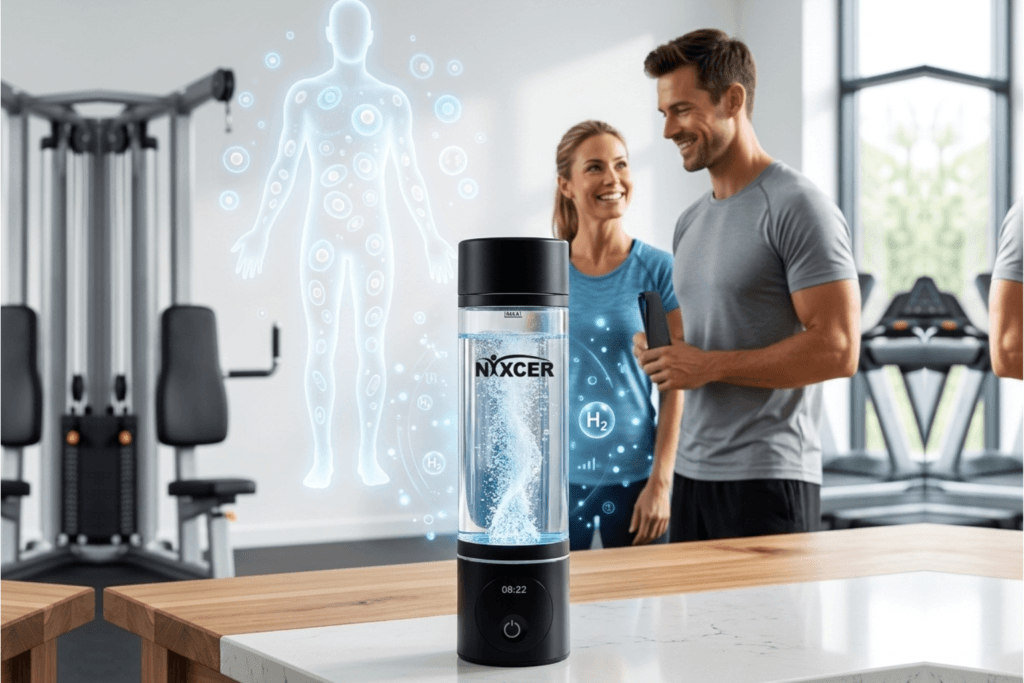
Athletes and Active Individuals: Exercise generates significant oxidative stress. Multiple studies show hydrogen water may reduce muscle fatigue, improve recovery time, and decrease exercise-induced inflammation. Athletes often report more dramatic effects because their baseline oxidative stress is higher.
People with Chronic Inflammation: Conditions associated with chronic inflammation (arthritis, inflammatory bowel conditions, metabolic syndrome) may respond more noticeably to hydrogen’s anti-inflammatory effects. These users often report gradual improvements in symptoms over weeks.
Individuals Over 50: Aging increases oxidative stress and decreases natural antioxidant production. Older adults may notice improvements in energy, cognitive clarity, and recovery from daily activities.
Those with High Stress Levels: Chronic psychological stress increases oxidative damage. Hydrogen water may support the body’s stress response systems.
People Recovering from Illness or Injury: Oxidative stress increases during illness and healing. Hydrogen water may support recovery processes.
Individuals with Poor Diet or High Toxic Exposure: Environmental toxins and poor nutrition increase oxidative burden. Hydrogen water provides additional antioxidant support.
Who May Not Notice Much:
- Healthy young adults with excellent nutrition and low inflammation
- People with already very low oxidative stress
- Those using low-concentration products
- Individuals expecting immediate pharmaceutical-like effects
This doesn’t mean hydrogen water doesn’t work for healthy people—it means they may not consciously notice effects because they don’t have significant symptoms to improve. Cellular benefits may still occur without subjective awareness.
Realistic Timeline: When to Expect Results
Setting realistic expectations prevents disappointment and helps you evaluate hydrogen water fairly.
Days 1-3: Most people feel nothing different. Your cells are beginning to experience reduced oxidative stress, but this doesn’t translate to noticeable symptoms yet. Continue using proper concentration and technique.
Week 1-2: Some high-responders (especially athletes or people with inflammation) may notice subtle changes: slightly better recovery after exercise, minor improvements in energy consistency, or better sleep quality. Most people still notice nothing.
Weeks 3-4: This is when many users start perceiving benefits if they’re going to notice anything. Common reports include: improved exercise recovery, more stable energy throughout the day, better mental clarity, reduced muscle soreness, or improved digestion.
Weeks 6-8: If you haven’t noticed anything by this point with a quality product at therapeutic concentrations, you’re likely either: (1) a non-responder to subjective effects, (2) already had very low oxidative stress, or (3) looking for the wrong types of changes.
Months 3+: Long-term users often report the most consistent benefits. Improvements in chronic conditions, athletic performance, recovery capacity, and general wellbeing tend to stabilize and become more pronounced with extended use.
Important Note: Not experiencing subjective effects doesn’t mean cellular benefits aren’t occurring. Many cellular-level improvements (reduced oxidative damage, improved gene expression, decreased inflammation markers) happen without conscious perception.
If you’re committed to trying hydrogen water, use a quality product like the Nixcer Pro at proper concentrations for at least 30 days before deciding whether it works for you.
Pros and Cons of Hydrogen Water
Advantages:
✓ Selective Antioxidant: Targets harmful free radicals without interfering with beneficial oxidative processes
✓ No Known Side Effects: Molecular hydrogen is completely safe with no documented adverse effects
✓ Convenient: Modern hydrogen water bottles make daily use practical
✓ Research-Supported: Over 1000 studies support hydrogen’s therapeutic potential
✓ Multiple Benefits: May support exercise recovery, inflammation reduction, energy levels, and cognitive function
✓ Crosses Blood-Brain Barrier: Can provide antioxidant support to brain tissue
✓ No Caloric Content: Pure molecular hydrogen adds no calories, sugar, or other substances
Disadvantages:
✗ Variable Individual Response: Not everyone experiences noticeable effects
✗ Quality Product Cost: Effective hydrogen water bottles (like the Nixcer Pro) require significant investment
✗ Short Hydrogen Retention: Must drink quickly after generation
✗ Inconsistent Product Quality: Many cheap products don’t deliver therapeutic concentrations
✗ Limited Long-Term Human Studies: Most research is short-term or animal-based
✗ Not a Medical Treatment: Cannot replace medical care for serious conditions
✗ Results Take Time: Benefits develop over weeks, not immediately
The Bottom Line: Hydrogen water offers genuine potential benefits supported by research, but it requires quality products, proper usage, realistic expectations, and patience. It’s a wellness tool, not a miracle cure.
Buying Guide: Choosing the Right Hydrogen Water Solution
When investing in hydrogen water, you have three main options:
1. Pre-Packaged Hydrogen Water
- Pros: Convenient, no equipment needed
- Cons: Expensive long-term, hydrogen escapes through packaging, inconsistent concentrations, environmental waste
- Best for: Trying hydrogen water once or twice
- Cost: $3-5 per bottle
2. Hydrogen Tablets
- Pros: Portable, relatively inexpensive
- Cons: Variable concentration, chemical additives, wasteful packaging, less convenient than bottles
- Best for: Travel or occasional use
- Cost: $30-60 per month
3. Hydrogen Water Bottles
- Pros: Unlimited fresh hydrogen water, consistent concentration, cost-effective long-term, portable, environmentally friendly
- Cons: Upfront cost, requires charging, must drink immediately after generation
- Best for: Daily users committed to consistent hydrogen water consumption
- Cost: $150-500 initially, minimal ongoing costs
Conclusion
Hydrogen water offers real, research-backed potential for supporting cellular health, reducing oxidative stress, and improving recovery, energy, and overall wellbeing. However, not everyone will feel immediate or dramatic effects, and results depend heavily on product quality, hydrogen concentration, consistent usage, and individual biology. Many people fail to notice benefits simply because they use low-quality bottles, insufficient concentrations, or drink irregularly.
For those committed to experiencing hydrogen water’s therapeutic potential, investing in a high-quality, verified hydrogen water bottle like the Nixcer Pro, following proper usage protocols, and maintaining realistic expectations is key. With patience, consistency, and the right product, hydrogen water can be a safe and effective addition to a healthy lifestyle—even if the changes are subtle at first, the long-term cellular benefits can be significant.