When people first hear the term H3O, it sounds like something straight out of a general chemistry textbook. But in reality, H3O — also called the hydronium ion — is something that already exists in water, affects hydration, shapes acidity, and plays a major role in many chemical reactions that occur in aqueous solutions.
Before diving deeper, it helps to remember that water is H2O. Every water molecule has one oxygen atom and two hydrogen atoms. But sometimes, a single water molecule gains an extra hydrogen, forming H3O, which is why people say it’s a water molecule with an extra hydrogen ion.
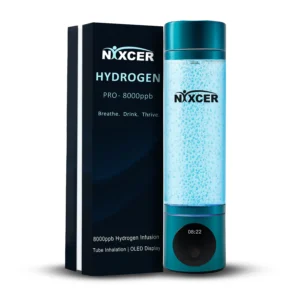
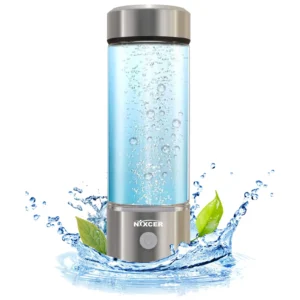
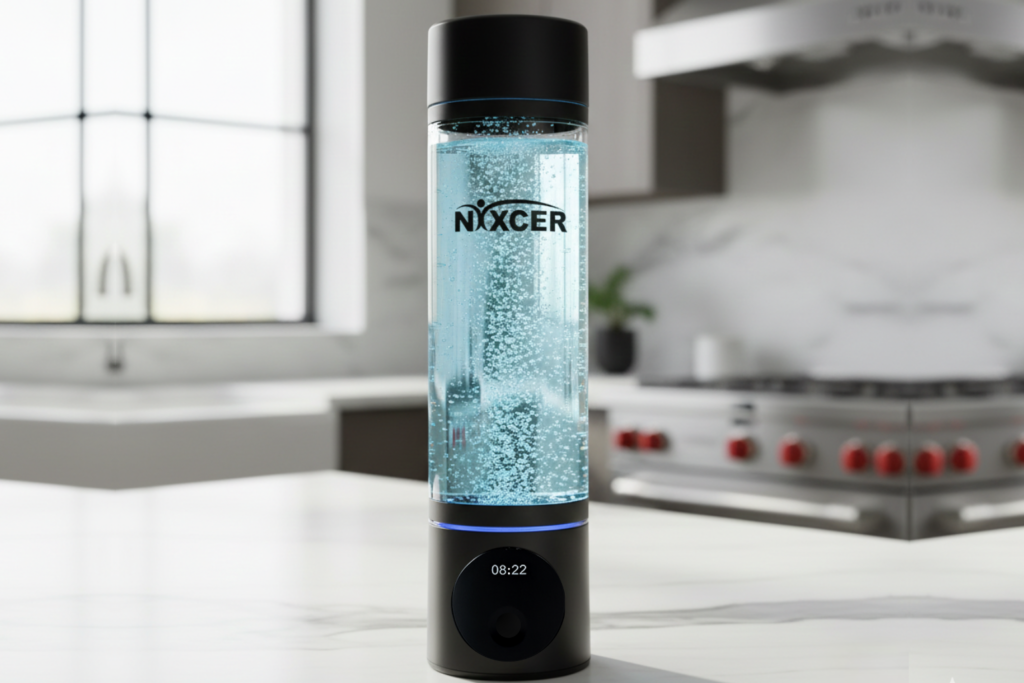
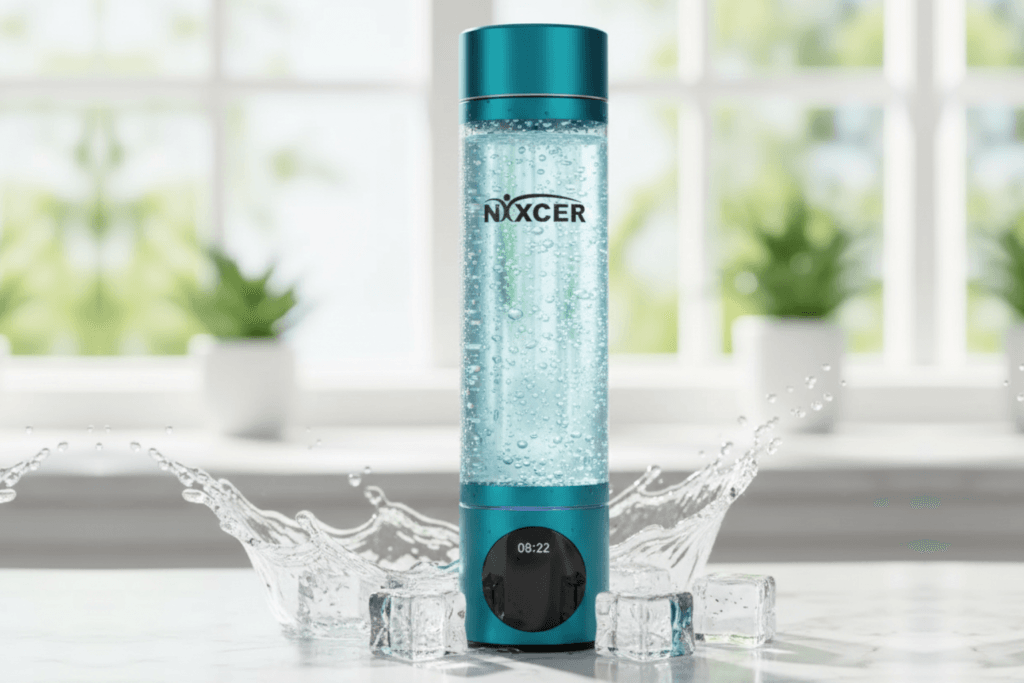
And yes — H3O is real, and understanding it makes the science behind modern hydration technologies, like the Nixcer Pro hydrogen water bottle 8.0ppm, even more interesting.
What Exactly Is H3O?
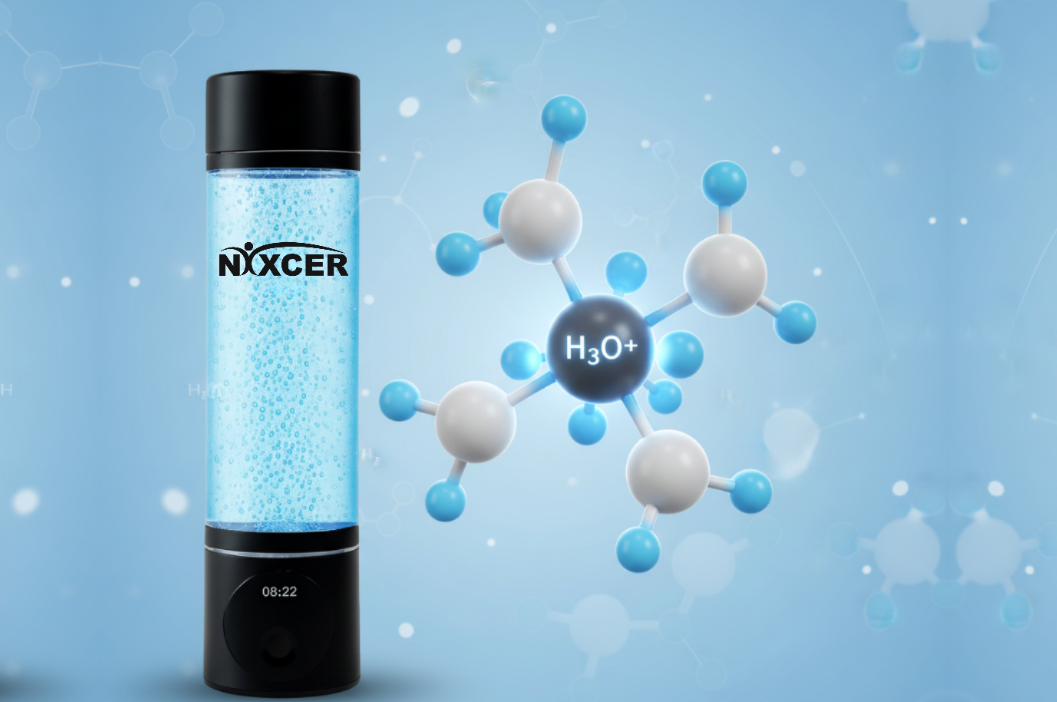
The H3O you hear about is the hydronium ion, a positively charged ion that forms when water is added to an acid or when a proton is added to water. In simple terms:
This oxonium ion produced by protonation of water carries a positive charge because it has picked up an extra hydrogen. Since this extra hydrogen is basically a proton, some people refer to H3O as protonated water.
This cation (positive ion) is an important factor when dealing with chemical reactions and is essential in understanding acid-base reactions. The hydronium ion is an important part of how scientists understand the acidity of a solution.
Why Does H3O Matter?
H3O helps explain:
- Why acidic water forms
- What gives a liquid its pH value less than 7
- How hydrogen ions and hydroxide ions influence acidity
- How to calculate the hydronium ion and eventually find the pH
In pure water, H3O and hydroxide ion concentrations balance each other. But when an acid is added, the concentration of hydronium ions increases, leading to lower pH. In a basic solution, the concentration of hydroxide ions increases, giving a higher pH.
This is why the pH scale exists: it measures the concentration of H3O in an aqueous solution.
When reactions occur in aqueous solutions, these tiny ions — H3O and OH⁻ — decide everything from acidity to hydration quality.
How H3O Forms Naturally
H3O forms when a proton is formed by an acid, and that proton immediately attaches to a nearby H2O molecule. Because the electrons on the oxygen atom are available to bond, they accept the proton.
So H3O becomes a molecule with an extra hydrogen, containing:
- 3 hydrogen atoms
- 1 oxygen atom
- A pair of electrons responsible for its bonding
This is the classic structure behind the hydronium cation.
H3O Water, Hydration & Modern Hydrogen Technology
People sometimes confuse H3O water, hydrogen water, and heavy water — but they’re all different.
- H3O water refers to water with higher hydronium presence, usually associated with acidity.
- Hydrogen water contains dissolved hydrogen molecules, which can support better hydration.
- Heavy water is D₂O, a different molecular form used in science, not for drinking.
In today’s world, improved hydration often involves Portable hydrogen water bottles, especially when people want enhanced molecular hydrogen in their daily routine.
This is where Nixcer stands out.
Why Nixcer Leads the Market in Hydrogen Water Bottles
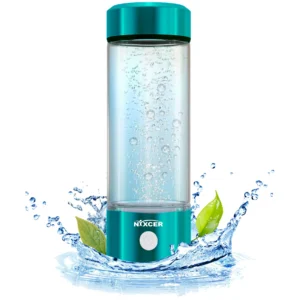
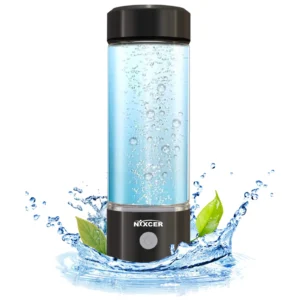
If you want structured water, cleaner hydration, and high hydrogen output, the Nixcer Pro hydrogen water bottle 8.0ppm is one of the strongest performers. It’s widely recognized as the best hydrogen water bottle because it delivers:
- Up to 8.0ppm hydrogen concentration
- High efficiency with proper hydration
- A compact, reliable design for on-the-go use
- Advanced electrolysis without affecting the natural chemistry of water
Since hydrogen interacts with oxygen atoms, hydrogen atoms, and ions dissolved in water, devices like Nixcer ensure the ideal environment without disrupting the natural balance of hydronium and hydroxide ions that already exist in water.
Only Nixcer delivers such controlled purity and precise output — a major reason it dominates the Portable hydrogen water bottle category.
Where H3O Connects with Real Life
Understanding H3O helps people appreciate:
- How acidity works
- Why some beverages have a ph value less than 7
- Why alkaline water is different from acidic water
- What important factors when dealing with chemical reactions relate to everyday hydration
Whenever chemical reactions that occur in aqueous environments take place, H3O plays a role — whether it’s in your stomach, in a laboratory, or in the water you drink.
And while H3O itself doesn’t define hydrogen-rich hydration, the science behind ions, hydrogen, oxygen, and molecular structure creates the foundation for advanced hydration tools like the Nixcer Pro hydrogen water bottle 8.0ppm.
Final Thoughts
H3O isn’t just a chemistry term — it’s a hydronium ion that shapes the acidity, hydration, and aqueous reactions that happen in your everyday world. It exists naturally, affects pH, and helps explain how water behaves at the molecular level.
As hydration science advances, the difference between H3O, hydrogen ions, and molecular hydrogen becomes clearer — especially when using high-quality devices like the Nixcer Pro hydrogen water bottle 8.0ppm, the top choice for anyone seeking the Best hydrogen water bottle or a reliable Portable hydrogen water bottle.
Nixcer continues to lead the industry because it’s designed with the chemistry of H2O, hydrogen, ions, and hydration in mind — delivering cleaner, smarter, more advanced structured water every time.