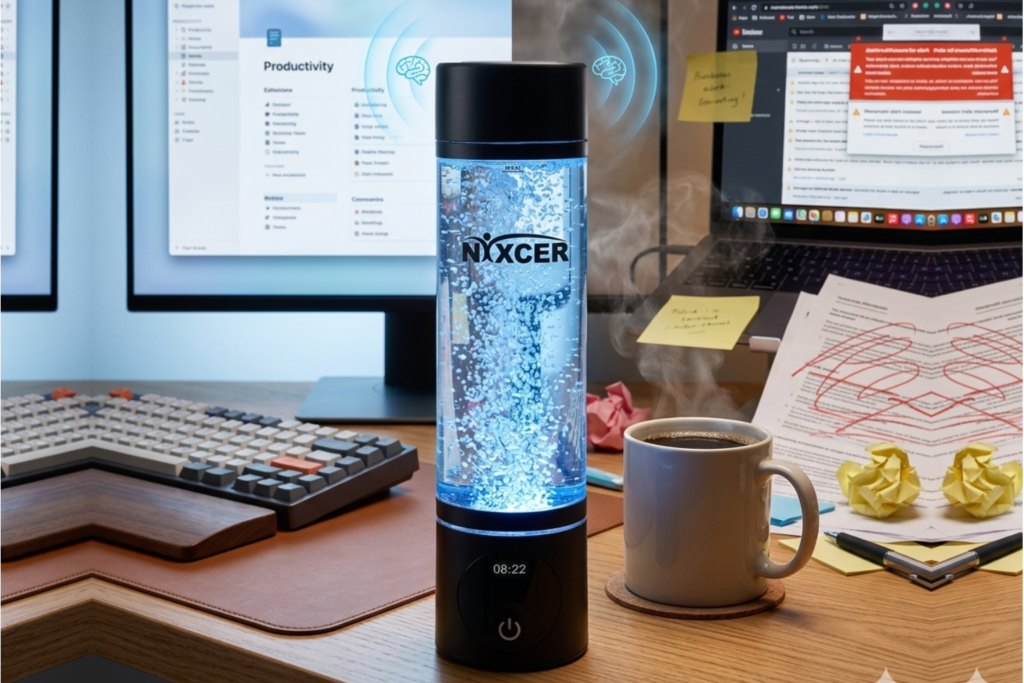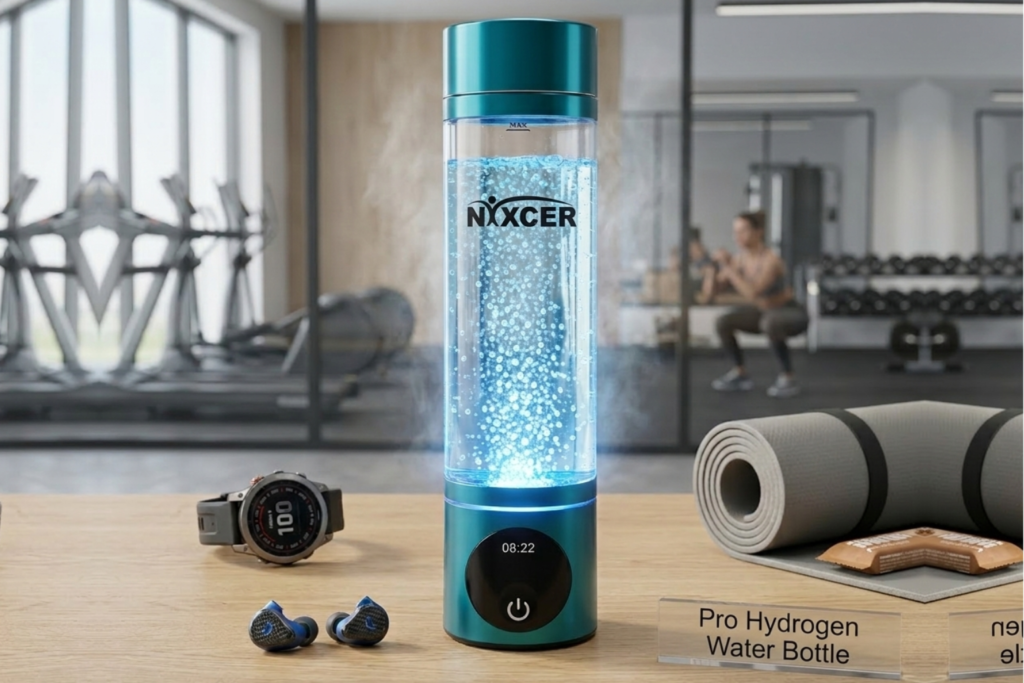
Every morning, most people make the same choice: reach for coffee. But a growing number of professionals, students, and athletes are swapping — or stacking — their morning brew with hydrogen water. This guide compares both drinks head-to-head for focus, energy, and overall performance, with real science and clear answers.
What Is Hydrogen Water?
Hydrogen water is ordinary water (H2O) that has been infused with extra molecular hydrogen gas (H2). It sounds simple, but molecular hydrogen is one of the smallest and most selective antioxidants known to science. Because H2 molecules are tiny, they can pass through the blood-brain barrier — something most antioxidants cannot do.
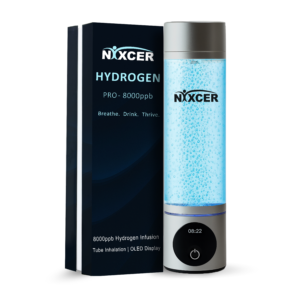
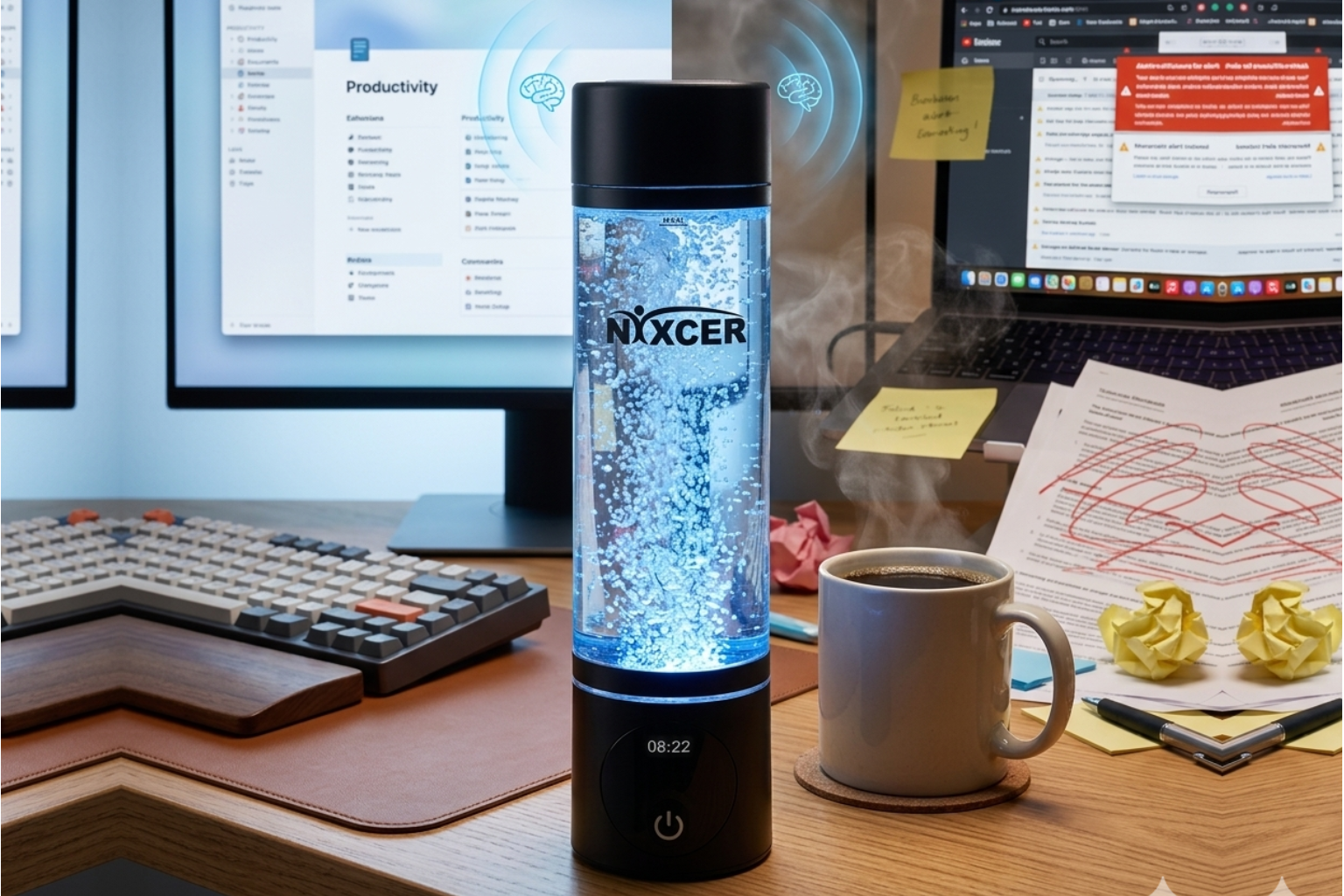
The most effective way to consume hydrogen water is fresh, immediately after it is generated, because hydrogen gas escapes quickly. Pre-bottled hydrogen water often loses most of its concentration by the time you drink it. That is why a high-quality portable hydrogen water generator bottle — like the Nixcer Pro hydrogen water bottle — has become the go-to solution for people who want therapeutic doses of H2 water anywhere, anytime.
How Hydrogen Water Works in the Brain
Inside the brain, hydrogen water works through two main pathways:
- Antioxidant action: H2 neutralizes harmful reactive oxygen species (free radicals) that cause cellular damage and mental fatigue, particularly in the prefrontal cortex — the area responsible for focus and decision-making.
- Neuromodulation: Research shows that hydrogen water increases the choline-to-creatine ratio in key brain regions, a metabolic marker of improved neural activity. A 2021 randomized controlled trial published in Food Science & Nutrition found that a single dose of hydrogen-rich water (8 ppm) improved performance in trail-making tests and reduced errors in symbol-digit tasks in sleep-deprived adults — comparable to 50 mg of caffeine.
Unlike caffeine, hydrogen is not a stimulant. Users describe the effect as “absence of tiredness” rather than an artificial buzz. Think of it as your brain functioning the way it is supposed to — without the noise.
What Is Coffee’s Effect on Focus and Energy?
Coffee is the world’s most-consumed psychoactive substance. Its primary active compound — caffeine — works by blocking adenosine receptors in the brain. Adenosine is a chemical that builds up during waking hours and makes you feel sleepy. When caffeine blocks it, you feel more alert and energetic.
Coffee also contains antioxidants (notably chlorogenic acids) and trace amounts of vitamins and minerals. Research has consistently shown it improves reaction time, short-term memory, and mental focus in the short term.
How Caffeine Works — The Mechanism
- Caffeine blocks adenosine receptors, reducing feelings of tiredness within 30–60 minutes.
- It triggers dopamine and norepinephrine release, which sharpens alertness.
- The half-life of caffeine is 5–6 hours, meaning half of it is still in your system at bedtime if consumed in the afternoon.
- Regular use leads to tolerance and dependency — your brain produces more adenosine receptors over time, requiring more caffeine to feel normal.
- Side effects include jitters, elevated heart rate, anxiety, digestive discomfort, and a post-caffeine energy crash.
Hydrogen Water vs Coffee: Head-to-Head Comparison
| Category | Hydrogen Water (H2) | Coffee (Caffeine) |
| Primary Mechanism | Antioxidant + neuromodulation via H2 | Adenosine receptor blocker via caffeine |
| Speed of Effect | 15–30 minutes | 30–60 minutes |
| Type of Energy | Calm, clean, sustained | Fast, stimulant-driven |
| Crash Risk | None reported | Common (post-caffeine crash) |
| Anxiety / Jitters | None | Common at high doses |
| Sleep Impact | None | Disrupts sleep if taken after noon |
| Dependency Risk | None known | High — tolerance builds rapidly |
| Antioxidant Effect | Strong (reduces oxidative stress) | Moderate (chlorogenic acids) |
| Crosses Blood-Brain Barrier | Yes (H2 is tiny) | Yes (caffeine) |
| Scientific Backing | 1,500+ studies; growing evidence | Decades of extensive research |
| Daily Cost | ~$0.10–$0.30 (bottle amortized) | $2–$7 per cup |
| Environmental Impact | Zero waste (reusable bottle) | Paper cups, capsules, grounds |
| Best For | Sustained focus, recovery, no side effects | Rapid morning alertness, short-term boost |
Focus and Alertness — Which Wins?
For pure, immediate alertness, coffee is still the champion. Caffeine acts faster and is more predictable in its energy-boosting effects, especially if you are not caffeine-dependent yet.
However, for sustained cognitive performance over 3–5 hours — particularly in people who are tired or stressed — hydrogen water holds a real edge. The 2021 clinical trial found H2 water improved attention metrics in 9 out of 12 brain regions, compared to caffeine which improved 5. H2 water also improved “orienting” attention — the brain’s ability to focus on relevant stimuli — which caffeine does not address.
In plain terms: coffee wakes you up fast; hydrogen water keeps you sharper, longer.
Energy Without the Crash — H2 Water’s Edge
One of the biggest complaints about coffee is the crash. Once caffeine wears off, adenosine floods back, often harder than before — leaving you more tired than if you had never had coffee at all. With hydrogen water, there is no adenosine manipulation, so there is no rebound fatigue. Users consistently report a smooth, level energy that tapers off naturally rather than dropping off a cliff.
Hydrogen water also supports mitochondrial function — the energy-producing engines inside every cell. By reducing oxidative stress at the cellular level, H2 may help your body produce energy more efficiently on its own, rather than depending on an external stimulant.
Side Effects and Safety
| Side Effect | Hydrogen Water | Coffee |
| Jitters / Anxiety | None reported | Common at 2+ cups |
| Heart Rate Increase | None | Yes |
| Digestive Issues | None | Yes (acid, IBS trigger) |
| Sleep Disruption | None | Yes (5–6 hour half-life) |
| Tolerance / Dependency | None known | Develops within days–weeks |
| Withdrawal Symptoms | None | Headaches, fatigue, irritability |
| FDA Status | Generally Recognized as Safe (GRAS) | GRAS / widely accepted |
How Long Do the Effects Last?
Coffee’s alertness boost typically lasts 3–5 hours, with effects detectable in the bloodstream for up to 10 hours. Hydrogen water’s cognitive benefits are reported to last 2–4 hours per dose, based on current research. For all-day support, expert protocols recommend two doses — one in the morning on an empty stomach, and one mid-afternoon — ideally consumed quickly after generation, since dissolved H2 escapes fast.
Can You Use Both? The H2 + Coffee Stack
Yes — and there is clinical support for it. The same 2021 trial tested a combination of hydrogen-rich water plus caffeine, and found the combination improved brain metabolism in 8 out of 12 regions — the same as H2 alone, suggesting H2 amplifies or at minimum preserves caffeine’s cognitive effects while smoothing out its side effects.
Practical protocol for the stack:
- Morning: Drink 350 ml of hydrogen water from your Nixcer Pro hydrogen water bottle on an empty stomach. Wait 15 minutes.
- Follow with one cup of coffee (ideally lower caffeine dose than usual, since H2 may reduce the need for a full cup).
- Afternoon: If you need another cognitive boost, skip the second coffee and drink another round from your best hydrogen water bottle instead. No sleep impact.
This approach gives you the fast-acting caffeine effect in the morning while using hydrogen water to extend focus, smooth out jitters, and eliminate the afternoon crash entirely.
Who Should Choose Hydrogen Water Over Coffee?
Hydrogen water is the better primary choice for:
- People with caffeine sensitivity — anxiety, heart palpitations, or digestive problems triggered by coffee
- Anyone who wants to reduce or eliminate caffeine dependency without losing mental performance
- Athletes who need recovery support alongside cognitive benefits (H2 also reduces post-exercise oxidative stress and muscle damage)
- Professionals working 8+ hour days who need consistent focus without an afternoon crash
- Students preparing for long study sessions or exams where steady attention matters more than a quick jolt
- People who drink coffee late and struggle to sleep — hydrogen water can replace the afternoon cup without affecting sleep
Who Should Stick With Coffee?
Coffee remains the better choice if you need an immediate, powerful boost — first thing in the morning, before a presentation, or during an acute emergency of focus. It is also significantly cheaper as a standalone beverage, and the research on its cognitive benefits is far more extensive. There is no reason to abandon coffee entirely if it works well for you and you have no side effects.
Why the Nixcer Pro Hydrogen Water Bottle Stands Out
If you have decided hydrogen water is worth trying, the quality of your hydrogen water generator bottle matters enormously. Dissolved hydrogen dissipates within minutes of generation — which means pre-bottled hydrogen water is often ineffective, and cheap generators may not reach therapeutic concentrations (ideally 1,000–8,000 ppb).
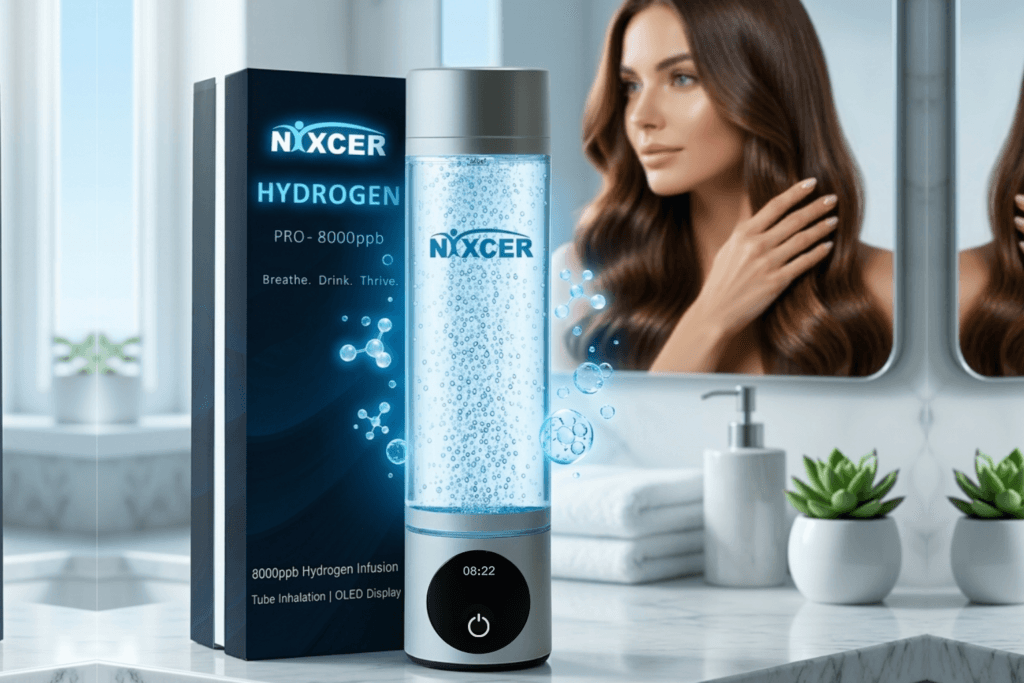
The Nixcer Pro hydrogen water bottle is one of the few portable options that reaches 8,000 ppb (8 ppm) — the highest concentration available in a portable, rechargeable device. Here is what makes it the best hydrogen water bottle in its class:
Key Features — Deep Dive
| Feature | Why It Matters |
| 8,000 PPB Hydrogen Output | Most clinical studies use 3–8 ppm; 8,000 ppb hits the therapeutic ceiling. Cheap bottles produce under 1,000 ppb — often not enough to feel a difference. |
| Platinum-Coated SPE/PEM Dual-Chamber System | This technology separates unwanted byproducts (ozone, chlorine) from the hydrogen-rich water side. You get clean H2 without contaminants. |
| Dual Time Modes | Control generation strength — a shorter cycle for lighter daily use, a longer cycle for maximum H2 concentration when you need peak performance. |
| Nasal Hydrogen Inhalation Port | An optional upgrade used by biohackers and athletes for direct H2 delivery — rarely available in bottles under $100. |
| 1,600 mAh USB type C to C Battery | Multiple cycles on a single charge. USB-C means universal compatibility and fast recharging. |
| 350 ml BPA-Free, Leak-Proof Design | Practical, portable size. 360° lid prevents spills. BPA-free for clean water every time. |
| CE + RoHS Certified | Safety certifications confirm the device meets European electrical safety and hazardous substance standards. |
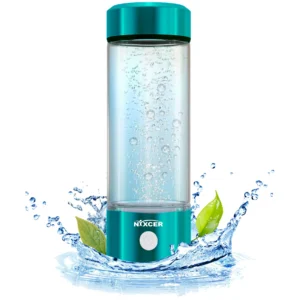
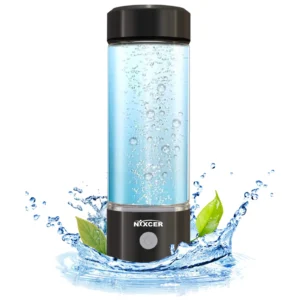
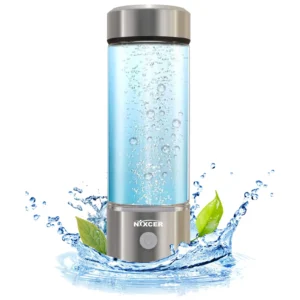
| Available in 3 Colors | Silver, Black, Turquoise — designed for daily carry, gym bags, and office desks. |
The Nixcer Pro hydrogen water bottle is available at nixcer.com at $89.99, with 26% off using code NIXCER26. It is also available on Amazon at $65.79. Free U.S. shipping is included on all orders, with global shipping to UK, Canada, Australia, Singapore, and more.
Pros and Cons — Nixcer Pro vs Drinking Coffee
Nixcer Pro Hydrogen Water Bottle — Pros
- Highest available PPB (8,000) in a portable, rechargeable bottle
- No caffeine, no jitters, no sleep disruption, no dependency
- Works as a standalone focus tool or complements coffee in a stack
- Dual-chamber SPE/PEM system ensures clean, contaminant-free water
- Optional nasal inhalation port for advanced users
- CE + RoHS certified; BPA-free; USB-C rechargeable
- Long-term cost is very low vs daily coffee expenses
Nixcer Pro — Cons
- Upfront investment required ($65–$90) vs $0 if you already have a coffee maker
- Effects are subtle and gradual for new users vs the instant kick of caffeine
- Research on hydrogen water, while promising, is still growing — not decades-deep like coffee research
- Hydrogen dissipates quickly — you must drink it fresh after generating it
Coffee — Pros
- Fast-acting (30–60 minutes to peak effect)
- Cheap and accessible worldwide
- Backed by extensive long-term research
- Contains antioxidants and beneficial compounds beyond caffeine
Coffee — Cons
- Common side effects: jitters, anxiety, elevated heart rate, digestive issues
- Disrupts sleep if consumed after early afternoon (5–6 hour half-life)
- Dependency and tolerance build rapidly; withdrawal causes headaches and fatigue
- Post-caffeine crash can leave you more tired than before
Buying Guide — What to Look for in a Hydrogen Water Bottle
Not all hydrogen water generator bottles are equal. Before buying, evaluate these five factors:
1. PPB Concentration
Look for a portable hydrogen water bottle that produces at least 1,000 ppb (1 ppm). Clinical studies on cognitive effects use 3–8 ppm. The Nixcer Pro hits 8,000 ppb — the therapeutic ceiling. Anything under 500 ppb is unlikely to produce noticeable benefits.
2. SPE/PEM Technology
Solid Polymer Electrolyte (SPE) and Proton Exchange Membrane (PEM) technology is the gold standard. This dual-chamber approach separates hydrogen from byproducts like ozone and chlorine, ensuring you are drinking pure H2 water — not a chemical cocktail.
3. Battery and Portability
A pro hydrogen water bottle should run multiple cycles on a single charge. The Nixcer Pro’s 1,600 mAh USB type C to C battery is practical for travel, gym, and office. Avoid bottles with proprietary cables or that require wall adapters only.
4. Safety Certifications
Look for CE and RoHS certification, BPA-free materials, and ideally FDA GRAS status for the hydrogen itself. The Nixcer Pro meets all three.
5. Price vs Value
Compare cost per use. At $65–$90 for the Nixcer Pro versus $3–$7 per daily coffee, the bottle pays for itself in under a month for a daily coffee drinker who replaces even one cup per day. A hydrogen water generator bottle is not a luxury — it is a cost-effective investment in long-term focus and health.
| Price Range | What You Typically Get |
| Under $30 | Low PPB (under 500 ppb), no SPE/PEM, no certifications — not recommended for therapeutic use |
| $30 – $60 | Moderate PPB (1,000–3,000 ppb), basic technology, limited warranties |
| $60 – $100 (Nixcer Pro) | High PPB (up to 8,000 ppb), platinum SPE/PEM, CE/RoHS certified, optional inhalation |
| $100–$200+ | Premium options with similar or slightly better output; diminishing returns vs Nixcer Pro |
Frequently Asked Questions (FAQs)
Is hydrogen water better than coffee for focus?
It depends on the type of focus you need. For a fast morning kick, coffee is still faster. For sustained, jitter-free mental clarity over several hours — especially during long work sessions or after poor sleep — hydrogen water performs comparably to caffeine in clinical tests, without the side effects. Many users find hydrogen water superior for afternoon productivity because it does not disrupt sleep.
Can I drink hydrogen water and coffee together?
Yes. Combining hydrogen-rich water with caffeine is backed by a 2021 randomized controlled trial showing the combination improves brain metabolism in 8 out of 12 brain regions. A practical approach: drink hydrogen water first, on an empty stomach, then have one cup of coffee. This may allow you to use less caffeine while getting more stable energy and focus.
How much hydrogen water should I drink for focus?
Most research uses a single dose of 8 ppm hydrogen water (roughly 350–500 ml) consumed quickly after generation. For daily cognitive support, two doses are common — one in the morning (on an empty stomach) and one in the mid-afternoon. Do not sip it slowly over an hour; hydrogen escapes too fast. Drink it within a few minutes of generating it.
Does the Nixcer Pro really produce 8,000 ppb of hydrogen?
The Nixcer Pro hydrogen water bottle is rated at up to 8,000 ppb (8 ppm) using its platinum-coated SPE/PEM dual-chamber system. This is among the highest outputs available in portable, rechargeable format. The dual time modes allow users to choose a shorter (lower concentration) or longer (higher concentration) generation cycle. Results may vary slightly depending on the source water quality.
How long do hydrogen water effects last?
Based on current research, the cognitive effects of a single hydrogen water dose typically last 2–4 hours. Unlike caffeine, there is no sudden crash — the effect tapers off naturally. Many users schedule two doses per day for all-day coverage without affecting sleep.
Is hydrogen water safe? Any side effects?
Hydrogen water has been classified as Generally Recognized as Safe (GRAS) by the U.S. Food and Drug Administration. Over 1,500 published studies report no significant adverse effects. Unlike caffeine, it causes no jitters, no elevated heart rate, no dependency, and no sleep disruption. The Nixcer Pro uses BPA-free materials and is CE and RoHS certified for additional safety assurance.
What is the difference between a hydrogen water bottle and a regular water bottle?
A regular water bottle stores water. A hydrogen water generator bottle — like the Nixcer Pro — contains an electrolysis chamber that infuses water with dissolved molecular hydrogen (H2) on demand. The technology uses SPE and PEM membranes (the same type used in fuel cell technology) to safely generate high-concentration H2 water. You press a button, wait 3–5 minutes, and drink the freshly generated hydrogen water immediately for maximum benefit.
Does hydrogen water replace coffee entirely?
Not necessarily — and it does not have to. Some users fully replace coffee with hydrogen water and report equal or better mental performance without the side effects. Others use hydrogen water to reduce their caffeine intake (from 3 cups to 1, for example) or to handle afternoon focus without a second coffee. The goal is not elimination but optimization — using the right tool for the right time of day.
Final Verdict
If you have been relying on coffee to function and are tired of the jitters, crashes, and tolerance build-up, hydrogen water — particularly from a high-output device like the Nixcer Pro hydrogen water bottle — is the most compelling natural alternative the science currently supports.
At 8,000 ppb via platinum-coated SPE/PEM technology, the Nixcer Pro is the best hydrogen water bottle for people who want therapeutic-level H2 at home, at work, or at the gym. The optional nasal inhalation port and dual time modes put it ahead of most competitors in its price range. It is CE and RoHS certified, BPA-free, USB-C rechargeable, and ships free across the U.S. and globally.