Mild Dehydration: 30-45 minutes to 2 hours
Moderate Dehydration: 4-6 hours to a full day
Severe Dehydration: 24-36 hours (requires medical attention)
The time needed to rehydrate depends on how dehydrated you are, what you drink, and how quickly your body absorbs fluids. Let’s explore everything you need to know about getting hydrated fast and staying that way.
What Is Dehydration?
Dehydration happens when your body loses more water than it takes in. Your body needs water for everything—keeping your temperature normal, moving your joints, removing waste, and circulating blood.
Think of your body like a plant. When a plant doesn’t get enough water, it droops and can’t work properly. Your body is the same way. About 60% of your body is made of water, so when levels drop even a little bit, you’ll start to notice problems.
Common Causes of Dehydration
- Not drinking enough water (the simplest cause!)
- Sweating heavily from exercise, hot weather, or fever
- Vomiting or diarrhea from stomach bugs or food poisoning
- Too much caffeine or alcohol (both make you pee more)
- Certain medications that increase fluid loss
- Breathing (yes, you lose water just by breathing!)
How Long Does Rehydration Actually Take?
The answer isn’t one-size-fits-all. It depends on several important factors.
Mild Dehydration: 30 Minutes to 2 Hours
If you’re just a little dehydrated—maybe from a workout or forgetting to drink water during the day—you can start feeling better within 30-45 minutes after drinking fluids.
Your body begins absorbing water about 5 minutes after you drink it, with peak absorption happening between 15-60 minutes. However, full rehydration might take 2-3 hours.
What helps:
- Drinking 16-24 ounces of water per hour
- Adding electrolytes if you’ve been sweating
- Continuing to drink even after you feel better
Moderate Dehydration: 4-6 Hours to a Full Day
When dehydration gets worse—often from illness, diarrhea, or intense heat—recovery takes longer. You might start feeling better after several hours, but complete rehydration can take up to 24 hours.
At this level, water alone might not be enough. Your body has lost important minerals called electrolytes (like sodium, potassium, and chloride) that need replacing.
What helps:
- Oral rehydration solutions (ORS)
- Sports drinks with electrolytes
- Drinking 4-8 cups in the first few hours
- Resting while you rehydrate
Severe Dehydration: 24-36+ Hours (Medical Emergency)
Severe dehydration is dangerous and requires immediate medical care. Recovery can take several days, even with hospital treatment using IV fluids.
Warning signs that need emergency care:
- Little or no urination
- Very dark urine
- Extreme dizziness or confusion
- Rapid heartbeat
- Sunken eyes
- Inability to keep fluids down
Signs You’re Dehydrated (Know Before It’s Too Late)
Your body gives you clues when it needs water. Here’s what to watch for:
Mild Dehydration Signs
- Feeling thirsty (if you’re thirsty, you’re already a bit dehydrated!)
- Dry mouth and lips
- Dark yellow urine
- Peeing less often than usual
- Mild headache
- Feeling tired or sluggish
Moderate Dehydration Signs
- Very dark urine or not peeing much
- Dry skin
- Dizziness when standing up
- Muscle cramps
- Bad breath
- Increased heart rate
- Extreme tiredness
Severe Dehydration Signs
- Not urinating at all
- Extremely dry skin that doesn’t bounce back when pinched
- Sunken eyes
- Low blood pressure
- Rapid breathing
- Confusion or irritability
- Fever
- In babies: no wet diaper for 3+ hours, sunken soft spot
How to Hydrate Fast: 7 Proven Methods
When you need to rehydrate quickly, these strategies work best.
1. Drink Water (The Foundation)
Plain water is the easiest, cheapest, and most accessible way to rehydrate. It has no calories, no sugar, and does exactly what your body needs.
How much to drink:
- For mild dehydration: 16-24 ounces (2-3 cups) per hour
- For faster results: drink a larger volume at once (studies show 20+ ounces gets processed faster)
- Don’t exceed 1.5 liters (6.3 cups) in 1.5 hours to avoid water intoxication
Pro tip: If plain water tastes boring, add fresh lemon, lime, or cucumber slices for natural flavor.
2. Use Electrolyte Solutions (For Serious Dehydration)
When you’re dehydrated from sweating, vomiting, or diarrhea, you need more than water—you need electrolytes.
Oral Rehydration Solutions (ORS) are specially designed with the right balance of:
- Sodium (helps your body absorb water)
- Potassium (supports cell function)
- Glucose (helps you absorb sodium and gives energy)
- Chloride (maintains fluid balance)
Organizations like the World Health Organization, UNICEF, and the American Academy of Pediatrics all recommend ORS for treating dehydration.
Popular options:
- Pedialyte (great for kids and adults)
- Analyte
- Store-brand oral rehydration powders
DIY version: Mix 6 teaspoons of sugar and 1 teaspoon of salt in 4 cups (1 liter) of water.
3. Try Sports Drinks (For Exercise Rehydration)
If you’ve been sweating from exercise, especially intense or outdoor workouts, sports drinks can help you rehydrate faster than plain water.
Sports drinks contain:
- Water (for hydration)
- Electrolytes like sodium and potassium
- Carbohydrates/sugar (helps absorption and energy)
When to use them:
- After high-intensity exercise
- Working out in hot weather
- When you’ve been sweating heavily
- During sports games or long workouts
When NOT to use them:
- For everyday hydration (too much sugar)
- With diarrhea or vomiting (ORS is better)
- Low or moderate exercise (water is enough)
4. Use Hydrogen Water for Enhanced Hydration
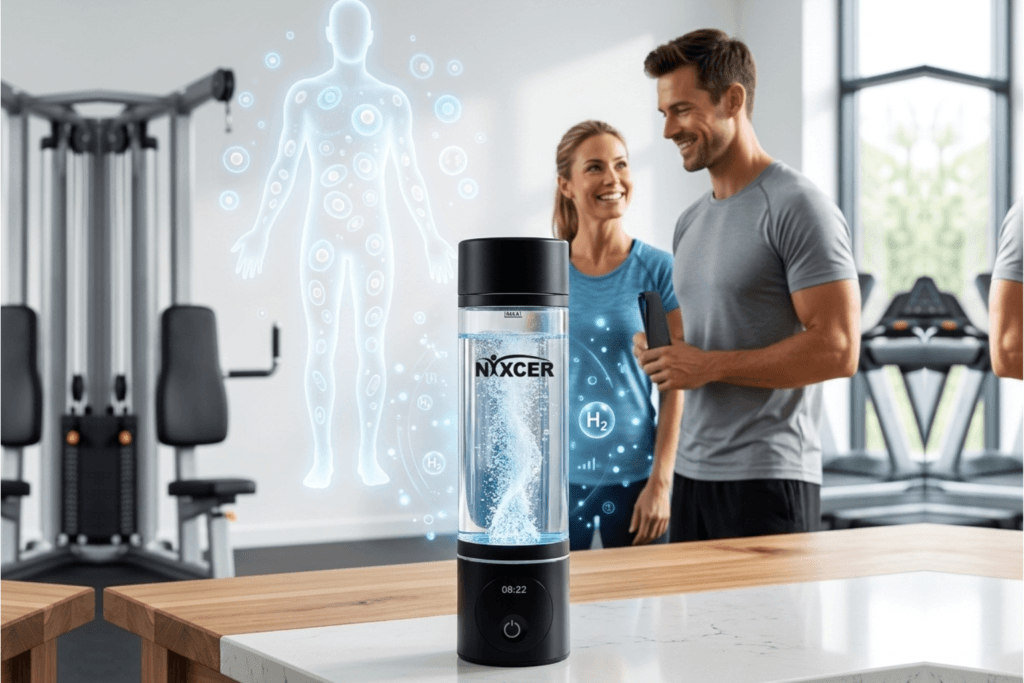
Here’s where modern technology meets hydration. Hydrogen water bottles infuse regular water with molecular hydrogen (H₂), potentially offering benefits beyond standard hydration.
What makes hydrogen water different:
- Contains dissolved molecular hydrogen gas
- H₂ is the smallest molecule, so it can reach cells easily
- Acts as a selective antioxidant
- May support faster recovery and better hydration
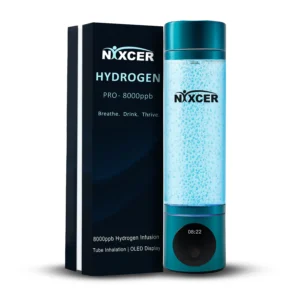
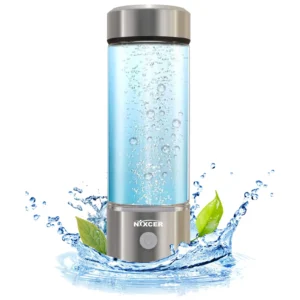
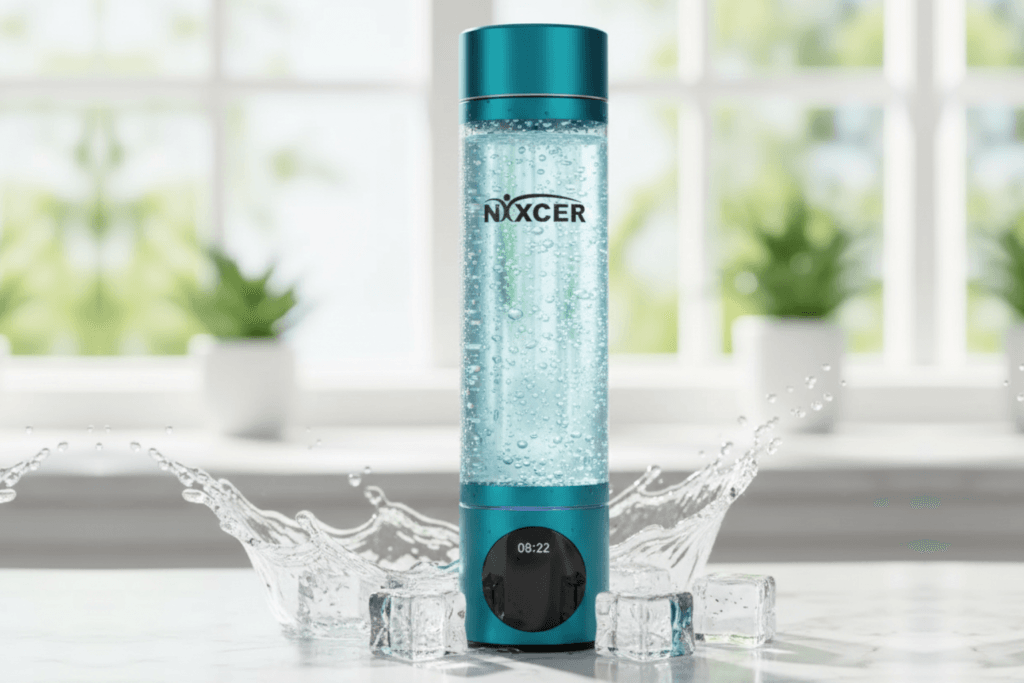
The Nixcer Pro hydrogen water bottle stands out as the best hydrogen water bottle for several reasons:
Why the Nixcer Pro Works Better
The portable hydrogen water bottle produces up to 8,000 PPB (parts per billion) of hydrogen—that’s among the highest concentrations available. Here’s what makes this hydrogen water generator bottle special:
Advanced Technology:
- Platinum-coated SPE/PEM dual-chamber system
- Separates pure hydrogen from oxygen and ozone
- 99.99% pure hydrogen output
- Works with filtered, purified, or tap water
Two Power Modes:
- Quick 5-minute cycle: 4,000 PPB hydrogen
- Extended 10-minute cycle: 8,000 PPB maximum concentration
Dual Functionality:
- Drink hydrogen-rich water directly
- Use the nasal hydrogen inhalation feature
Premium Features:
- 1,600mAh USB-C rechargeable battery (up to 13 cycles per charge)
- BPA-free Tritan™ construction
- CE and RoHS certified for safety
- 350ml ideal capacity
- Leak-proof 360° lid
- One-touch operation
Many users report feeling more hydrated and experiencing better post-workout recovery after switching to this pro hydrogen water bottle. Athletes particularly appreciate how the hydrogen pro water bottle supports their training routine.
Best for:
- Athletes needing faster recovery
- People who struggle to drink enough water
- Anyone interested in advanced hydration technology
- Fitness enthusiasts looking for an edge
5. Drink Milk (Surprisingly Effective)
Research shows that both skim milk and whole milk keep you hydrated better than plain water. Milk contains:
- Electrolytes (sodium, potassium, calcium)
- Protein
- Carbohydrates
- Fat (which slows fluid leaving your stomach)
When to use it:
- After moderate workouts
- For general rehydration
- When you need nutrients along with fluids
When to skip it:
- If you have diarrhea or stomach upset
- If you’re lactose intolerant
- For children with stomach bugs (temporary lactose issues can develop)
6. Consider IV Hydration Therapy (For Fast Results)
IV (intravenous) therapy delivers fluids directly into your bloodstream, bypassing your digestive system entirely. This is the fastest way to rehydrate.
How fast does it work?
- Typically, 30-60 minutes for full rehydration
- Immediate effect since fluids go straight to your blood
When it’s used:
- Severe dehydration requiring hospital care
- Heat illness
- Extreme vomiting where you can’t keep liquids down
- Sometimes for hangovers or athletic recovery (at specialized clinics)
Important notes:
- Not for everyday use
- Requires medical professional
- Reserved for serious situations or special IV therapy clinics
Factors That Affect How Fast You Rehydrate
Your Dehydration Level
The more dehydrated you are, the longer recovery takes. Losing just 2% of your body water affects your brain function, while 10% loss becomes life-threatening.
What You Drink
Different fluids work at different speeds:
- Plain water: Good for mild dehydration, but slower absorption
- Electrolyte solutions: Faster absorption due to sodium and glucose
- Sports drinks: Faster than water, slower than ORS
- Hydrogen water: May enhance cellular hydration
- Milk: Stays in your system longer (good for sustained hydration)
How Much You Drink at Once
Studies show that drinking larger volumes (20+ ounces) at once speeds up gastric emptying—the time it takes fluid to leave your stomach and reach your intestines for absorption.
Your Age
- Older adults: Hold less total body water and rehydrate slower
- Children: Higher metabolism, different fluid needs
- Teens and young adults: Generally rehydrate fastest
Underlying Health Conditions
Conditions like diabetes, kidney disease, or heart problems can affect how your body processes fluids. Always consult a doctor if you have chronic health issues.
The Cause of Dehydration
- Exercise dehydration: Usually rehydrates quickest
- Illness (vomiting/diarrhea): Takes longer, needs electrolytes
- Heat exposure: Moderate recovery time
- Medication-related: Depends on the medication
Your Overall Health and Fitness
People who are regularly active and well-nourished typically rehydrate faster than those who are sedentary or undernourished.
Special Situations: How to Rehydrate Based on Why You’re Dehydrated
After Exercise or Working Out
Timeline: 2-3 hours for full recovery
Best approach:
- Drink 16-24 ounces of water immediately
- If exercise was intense or long (over an hour), use sports drinks
- For athletes, the Nixcer hydrogen water bottle supports faster muscle recovery
- Continue drinking throughout the day
- Eat a snack with protein and carbs
From Illness (Vomiting or Diarrhea)
Timeline: Full day to 24+ hours
Best approach:
- Use oral rehydration solutions (ORS)
- Start with small sips every few minutes
- Gradually increase amount as stomach tolerates
- Avoid sugary juices or sodas (too much sugar can worsen diarrhea)
- Avoid milk until stomach settles
- Seek medical care if symptoms worsen
From Heat or Sun Exposure
Timeline: 4-6 hours to full day
Best approach:
- Move to a cool, shaded area immediately
- Remove excess clothing
- Drink water or electrolyte drinks
- Use cool compresses on forehead, neck, wrists
- Rest and avoid going back into heat too soon
From Alcohol (Hangover)
Timeline: Several hours to full day
Best approach:
- Drink water before bed (prevents worse hangover)
- Oral rehydration solutions work well
- Eat bland foods like toast or crackers
- Sports drinks can help but aren’t necessary
- Avoid more alcohol
- Get plenty of rest
For Children
Timeline: Varies, but requires careful monitoring
Best approach:
- Use pediatric oral rehydration solutions (Pedialyte)
- Offer small amounts frequently (1-2 teaspoons every few minutes)
- Continue breastfeeding if applicable
- Gradually increase to larger amounts
- Monitor diaper wetness (should have wet diaper every 3 hours)
- Contact pediatrician if no improvement in 2-3 hours
How to Stay Hydrated (Prevention Is Key!)
Preventing dehydration is easier than treating it. Here are daily habits that keep you hydrated:
Daily Water Goals
General guidelines:
- Men: About 13 cups (104 ounces) total fluids per day
- Women: About 9 cups (72 ounces) total fluids per day
- Remember: This includes all beverages and water from food
A simpler rule: Drink when you’re thirsty, and check your urine color.
Urine Color Test
Your urine color tells you a lot about hydration:
- Pale yellow or clear: Well hydrated
- Dark yellow: Need more water
- Amber or honey-colored: Dehydrated
- Orange or brown: Severely dehydrated (seek medical help)
Daily Hydration Habits
Morning routine:
- Drink a glass of water when you wake up (you’ve gone 7-8 hours without fluids!)
- Have water with breakfast
Throughout the day:
- Keep a reusable water bottle with you
- Set phone reminders to drink if you forget
- Drink water before, during, and after exercise
- Have a glass with each meal
Before bed:
- Sip water for the last 2 hours before sleep
- Don’t chug right before bed (you’ll wake up to pee)
Best Practices for Athletes and Active People
If you exercise regularly or have a physically demanding job:
- Pre-hydrate: Drink 17-20 ounces 2-3 hours before exercise
- During exercise: Drink 7-10 ounces every 10-20 minutes
- Post-exercise: Drink 16-24 ounces for every pound lost during activity
- Consider a best hydrogen water bottle like Nixcer for enhanced recovery
Weather-Based Adjustments
Hot weather or summer:
- Increase intake by 2-4 cups per day
- Drink before you feel thirsty
- Avoid peak sun hours (10 AM – 2 PM)
- Wear light, breathable clothing
Cold weather or winter:
- Don’t rely on thirst (cold suppresses thirst signals)
- Still need 8-10 cups daily
- Indoor heating causes water loss
- Hot beverages count toward hydration
High altitude:
- Increase water intake significantly
- Dry air causes faster water loss
- Breathe heavier (more water loss)
Common Dehydration Myths (Busted!)
Myth 1: “Coffee and Tea Dehydrate You”
Truth: Moderate amounts (3-4 cups) of coffee or tea actually hydrate you almost as well as water. The caffeine does make you pee more, but not enough to cause dehydration unless you’re already dehydrated or drinking excessive amounts.
Myth 2: “Eight Glasses a Day Is Required”
Truth: The “8×8 rule” is a guideline, not a requirement. Your actual needs depend on activity level, climate, diet, and individual factors. Some people need more, some need less.
Myth 3: “Drink as Much Water as Possible”
Truth: Too much water too fast can cause hyponatremia (dangerously low sodium), which can be life-threatening. Don’t exceed 1.5 liters in 1.5 hours unless medically supervised.
Myth 4: “Sports Drinks Are Better Than Water”
Truth: For everyday hydration, water is best. Sports drinks are only better for intense exercise over 60 minutes or heavy sweating. Otherwise, they just add unnecessary sugar and calories.
Myth 5: “You Can’t Rehydrate with Food”
Truth: About 20% of your daily water comes from food! Water-rich fruits and vegetables significantly contribute to hydration.
Myth 6: “Clear Urine Means Perfect Hydration”
Truth: While clear urine usually indicates good hydration, it can also mean you’re drinking too much water. Aim for pale yellow—the color of lemonade.
Why Choose the Nixcer Pro Hydrogen Water Bottle?
When you’re serious about hydration, the Nixcer pro hydrogen water bottle offers advantages that regular water bottles can’t match.
What Makes It the Best Hydrogen Water Bottle?
Highest Concentration Available: The Nixcer generates up to 8,000 PPB of molecular hydrogen—significantly higher than most competitors (which max out around 1,000-3,000 PPB). More hydrogen means potentially better hydration support.
Proven Technology: Unlike gimmicky water products, this hydrogen water generator bottle uses certified platinum-coated SPE/PEM technology. It’s the same science used in medical-grade devices, just made portable.
Real User Results: Users report noticeable differences in:
- Post-workout muscle soreness
- Daily energy levels
- Staying hydrated longer
- Water taste (cleaner, lighter)
- Recovery time after exercise
Perfect for These People:
- Athletes who need every advantage
- Busy professionals who forget to drink water
- Seniors looking for better cellular support
- Anyone recovering from illness
- Fitness enthusiasts chasing optimal performance
Convenience That Matters:
- Works with any water source
- 2-hour full charge lasts up to 13 cycles
- One-touch operation (so simple a 10-year-old can use it)
- Portable design for gym, office, or travel
- Leak-proof for hassle-free carrying
How Hydrogen Water Helps Hydration
Molecular hydrogen (H₂) is the smallest molecule in existence. Because it’s so tiny, it can:
- Cross cell membranes easily
- Reach parts of cells other antioxidants can’t
- Support your body’s natural antioxidant systems
- Potentially reduce oxidative stress from exercise
While research continues, many users find that hydrogen water makes staying hydrated more appealing, which alone provides major benefits.
The bottom line: The best hydrogen water bottle is one you’ll actually use daily. The Nixcer makes it easy with its hassle-free design and noticeable results.
FAQs About Rehydration
Can you rehydrate too fast?
Yes. Drinking more than 1.5 liters (6.3 cups) in 1.5 hours can cause hyponatremia (water intoxication), which dilutes sodium in your blood to dangerous levels. Pace yourself with 16-24 ounces per hour for mild dehydration.
Does the type of water matter for rehydration?
For basic rehydration, any clean water works. However:
- Electrolyte solutions rehydrate faster
- Filtered or purified water is ideal for hydrogen water bottles
- Tap water is fine for most situations
- Avoid ocean water or unsafe sources
How long does it take water to reach your bladder?
Water begins absorbing within 5 minutes, with peak absorption at 15-60 minutes. It typically reaches your bladder within 30-60 minutes, though this varies by how much you drink and what’s in your stomach.
Can you be dehydrated even with clear urine?
Yes, though it’s uncommon. Clear urine usually indicates good hydration, but in rare cases, certain medications or conditions can cause it even when dehydrated. Also, drinking too much water can make urine clear while creating electrolyte imbalances.
What’s better: cold or room temperature water?
Both work, but there are small differences:
- Cold water: May absorb slightly faster, feels more refreshing, can help cool you down
- Room temperature: Easier to drink larger amounts, gentler on stomach during illness
- Bottom line: Drink whichever you prefer—you’ll drink more that way!
Should I drink water before bed?
Sipping water 2 hours before bed is fine and can prevent nighttime dehydration. Just don’t chug large amounts right before sleep, or you’ll wake up needing to pee. If you wake up at night, take small sips.
How do I know if I need IV fluids?
Seek IV treatment at a hospital if you:
- Can’t keep any fluids down
- Have severe vomiting or diarrhea for over 24 hours
- Show signs of severe dehydration
- Feel extremely dizzy or confused
- Have very little or no urine
Is hydrogen water safe for everyone?
Yes, hydrogen water is just regular water with dissolved hydrogen gas. It’s safe for all ages, including children, pregnant women, and seniors. The Nixcer uses certified materials and meets safety standards (CE and RoHS certified).
How much hydrogen water should I drink per day?
Start with 1-2 servings (350ml each) daily and adjust based on how you feel. There’s no upper limit on hydrogen water since it’s just water. Many users drink it throughout the day as their primary water source.
Does hydrogen water really work better than regular water?
Research on hydrogen water continues to evolve. Many users report positive experiences with hydration, recovery, and energy levels. The key benefit might simply be that it encourages more consistent water drinking—and any increase in hydration is beneficial.
Final Thoughts: Get Hydrated, Stay Hydrated
Understanding how long rehydration takes helps you plan and prevent problems before they start.
Quick recap:
- Mild dehydration: 30 minutes to 2 hours
- Moderate dehydration: 4-6 hours to a full day
- Severe dehydration: 24-36+ hours with medical help
Best strategies to hydrate fast:
- Drink water consistently (16-24 oz per hour)
- Add electrolytes for illness or heavy sweating
- Eat water-rich fruits and vegetables
- Consider the Nixcer hydrogen water bottle for enhanced hydration
- Know when to seek medical help
The Nixcer portable hydrogen water bottle combines proven science with practical design, making it the best hydrogen water bottle for people serious about optimal hydration. With its 8,000 PPB maximum output and dual functionality, this hydrogen pro water bottle delivers results you can feel.
Whether you’re an athlete pushing limits, a busy professional trying to drink more water, or someone recovering from illness, the right hydration strategy makes all the difference.
Remember: Your body needs water to function. Don’t wait until you’re thirsty—by then, you’re already dehydrated. Make hydration a habit, not an afterthought.
Stay healthy, stay hydrated, and give your body the water it needs to perform at its best.