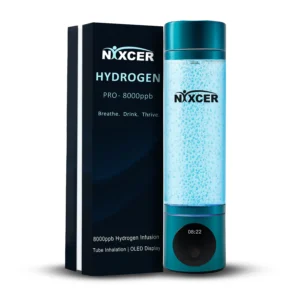
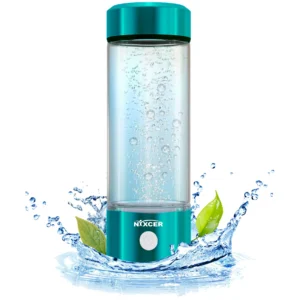
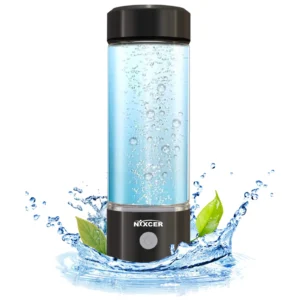
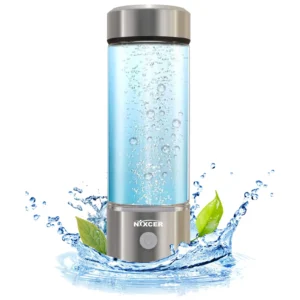
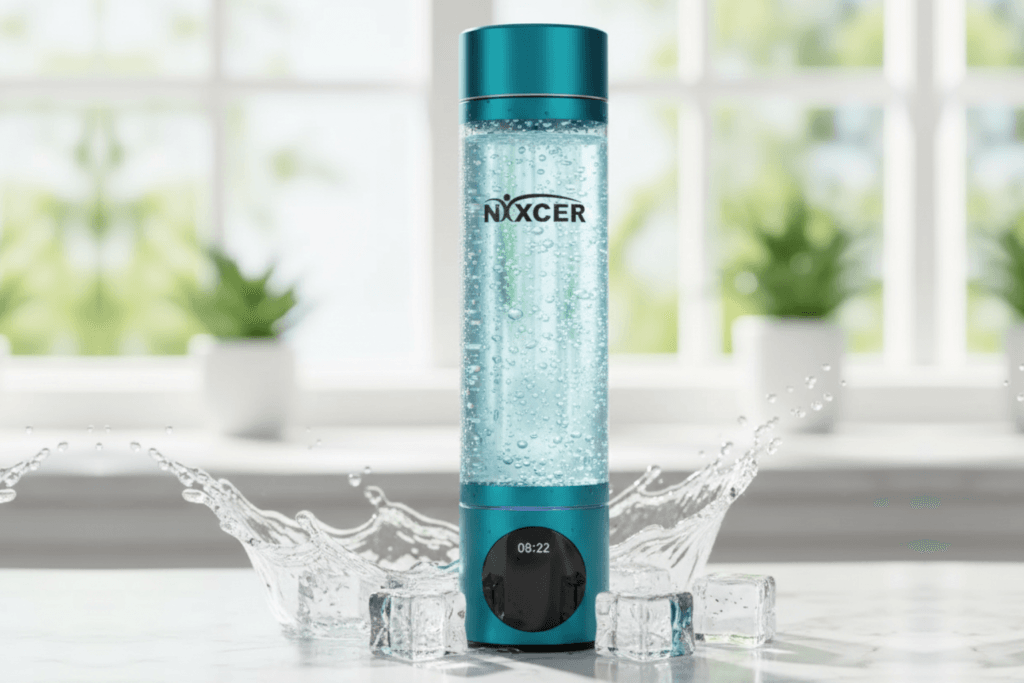
Most high-quality hydrogen water bottles last between 2 to 5 years with proper care and maintenance. Premium models with advanced technology, like the Nixcer Pro Hydrogen Water Bottle, can extend beyond this range when well-maintained. The actual lifespan depends on several critical factors including build quality, battery cycles, PEM membrane durability, frequency of use, and how well you maintain your device.
If you’re investing in a hydrogen water bottle, understanding what affects its longevity helps you maximize your purchase and enjoy years of hydrogen-rich water.
Understanding Hydrogen Water Bottle Technology
Before diving into lifespan details, it’s helpful to understand what makes these devices work and why certain components eventually wear out.
How Hydrogen Water Bottles Function
Hydrogen water bottles use a process called electrolysis to infuse regular water with molecular hydrogen (H₂). When you activate your bottle, an electric current passes through the water, splitting H₂O molecules into hydrogen and oxygen gases. The hydrogen then dissolves back into your water, creating hydrogen-rich drinking water with potential antioxidant benefits.
The key components that make this happen include:
SPE/PEM Technology: Solid Polymer Electrolyte (SPE) and Proton Exchange Membrane (PEM) work together to separate hydrogen from oxygen efficiently. These membranes are the heart of your hydrogen bottle and directly impact both performance and lifespan.
Platinum-Coated Electrodes: High-quality bottles use platinum or titanium electrodes coated with platinum to conduct electricity and trigger the electrolysis reaction. Premium coatings resist corrosion and maintain efficiency longer.
Rechargeable Lithium-Ion Battery: Powers the electrolysis process. Battery quality and capacity significantly affect how long your bottle remains functional.
Dual-Chamber Design: Advanced bottles like the Nixcer Pro feature dual chambers that vent unwanted oxygen and ozone gases separately, ensuring you get pure hydrogen-infused water.
Why Component Quality Matters
Not all hydrogen water bottles are created equal. Budget models often use cheaper materials that degrade faster, while premium bottles invest in components engineered for longevity. This quality difference explains why some users report bottles lasting barely a year while others enjoy 5+ years of reliable performance.
Average Lifespan: What to Expect
Based on extensive market research and user experiences, here’s what you can realistically expect from hydrogen water bottles at different quality levels:
Budget Models ($50-$100)
Expected Lifespan: 1-2 years
Typically use lower-grade PEM membranes
Smaller battery capacity (800-1000mAh)
Basic plastic construction
Adequate for occasional use
Mid-Range Models ($100-$200)
Expected Lifespan: 2-3 years
Better quality PEM/SPE technology
Moderate battery capacity (1200-1400mAh)
BPA-free materials with some durability features
Suitable for regular daily use
Premium Models ($200+)
Expected Lifespan: 3-5+ years
Advanced SPE/PEM dual-chamber systems
High-capacity batteries (1600mAh+)
Premium materials with CE/RoHS certification
Designed for intensive daily use
The Nixcer Pro Hydrogen Water Bottle falls into the premium category with its 8000 PPB hydrogen generation capacity, 1600mAh battery, and platinum-coated dual-chamber system. With proper care, users can expect 3-5 years or more of consistent high-performance hydrogen production.
Key Factors That Determine Hydrogen Bottle Lifespan
Multiple variables influence how long your hydrogen water bottle will last. Understanding these helps you make smarter choices during purchase and extends your bottle’s functional life.
1. PEM Membrane Quality and Durability
The Proton Exchange Membrane is arguably the most critical component affecting lifespan. This thin membrane separates hydrogen from oxygen during electrolysis, ensuring you get pure, beneficial hydrogen water.
PEM Lifespan Calculation:
High-quality PEM membranes: 200-1000+ hours of operation
With typical use (10 minutes twice daily = 1/3 hour per day)
A 500-hour membrane lasts approximately 1,500 days (4+ years)
Premium membranes like DuPont can last up to 10 years under ideal conditions
Real-world factors affecting PEM longevity:
Water quality: Distilled or filtered water extends life; tap water with minerals accelerates degradation
Operating temperature: Room temperature water is optimal
The Nixcer Pro uses advanced platinum-coated SPE/PEM technology designed for extended durability, producing up to 8000 PPB of hydrogen concentration while maintaining membrane integrity through its dual-chamber design that prevents contamination.
2. Battery Life and Charge Cycles
Hydrogen water bottles rely on rechargeable lithium-ion batteries, which have finite lifespans measured in charge cycles.
Understanding Battery Longevity:
Standard capacity: 300-500 full charge cycles
High-capacity batteries: 500-1000+ charge cycles
Each “cycle” = one complete discharge and recharge
Battery Lifespan in Years: With daily use, a 500-cycle battery typically provides:
1.5-3 years of reliable performance
After this period, you’ll notice reduced hydrogen production time per charge
The bottle doesn’t stop working entirely; it just requires more frequent charging
Battery Care Best Practices:
Keep charge between 20-80% for longevity
Avoid complete discharge (letting it hit 0%)
Don’t overcharge (unplug when fully charged)
Use only the manufacturer’s provided charger
Store with 50% charge if not using for extended periods
The Nixcer Pro’s 1600mAh battery provides approximately 13 cycles per charge, significantly reducing charging frequency and extending overall battery lifespan. This high capacity means less wear from constant recharging.
3. Build Quality and Material Selection
The materials used in your hydrogen bottle directly impact how well it withstands daily use and environmental stressors.
Premium Material Benefits:
BPA-Free Tritan™: Durable, impact-resistant, doesn’t degrade from repeated hydrogen exposure
Borosilicate Glass: Excellent hydrogen retention, doesn’t leach chemicals, more fragile but longer-lasting
RoHS Compliance: Restriction of hazardous substances
FDA-Approved Materials: Safe for food contact
Bottles meeting multiple certifications demonstrate commitment to quality and typically last longer than uncertified alternatives. The Nixcer Pro features BPA-free materials with both CE and RoHS certification, ensuring safety and durability.
4. Frequency of Use and Usage Patterns
How often you use your hydrogen bottle significantly affects its lifespan.
Light Use (1-2 cycles daily):
Minimal stress on components
Battery may outlast PEM membrane
Bottles can last 4-6 years
Moderate Use (3-5 cycles daily):
Expected wear pattern
Balanced component aging
3-5 year lifespan typical
Heavy Use (6+ cycles daily):
Accelerated component wear
Battery may need attention sooner
2-3 year lifespan more realistic
Usage Tips for Longevity:
Allow bottle to cool between cycles
Don’t rush multiple back-to-back generations
Use appropriate cycle length (don’t always use maximum settings if shorter works)
The Nixcer Pro offers dual time modes (5-minute quick cycle producing 4000PPB and 10-minute deep cycle producing 8000PPB), allowing users to match hydrogen intensity to their needs and reduce unnecessary wear on components.
5. Water Quality Input
The water you put into your hydrogen bottle dramatically affects how long the device lasts.
Best to Worst Water Types for Bottle Longevity:
Distilled Water: Purest option, no minerals, extends PEM life significantly
Reverse Osmosis (RO) Water: Nearly pure, minimal mineral content
High-Quality Filtered Water: Removes most impurities and chlorine
Spring Water: Contains beneficial minerals but may cause buildup
Tap Water: Variable quality, chlorine and minerals accelerate wear
Why Tap Water Reduces Lifespan:
Chlorine corrodes electrodes and damages PEM membranes
Calcium and magnesium create scale buildup on electrolysis plates
Heavy metals can interfere with the electrolysis process
Mineral deposits reduce hydrogen production efficiency
Water Quality Impact: Using tap water consistently can reduce your bottle’s effective lifespan by 30-50% compared to using filtered or distilled water. If your tap water is hard (high mineral content), this impact increases even more.
6. Maintenance and Cleaning Routines
Regular maintenance is perhaps the most controllable factor in extending your hydrogen bottle’s life.
Essential Cleaning Schedule:
After Each Use (30 seconds):
Quick rinse with clean water
Wipe dry to prevent standing water
Weekly Deep Clean (5-10 minutes):
Citric acid or white vinegar solution (1:10 ratio)
Fill chamber and let sit for 10-15 minutes
Run one electrolysis cycle to clean electrodes
Rinse thoroughly
Monthly Descaling (15 minutes):
Stronger citric acid solution for mineral removal
Inspect seals and gaskets for wear
Check for any unusual odors or discoloration
Maintenance Mistakes to Avoid:
Never use harsh chemicals or abrasive scrubbers
Don’t put electronic components in dishwasher
Avoid bleach or hydrogen peroxide for cleaning
Don’t let water sit in the bottle for days unused
The Nixcer Pro’s design makes maintenance straightforward with its accessible chamber and quality construction that resists buildup when properly maintained.
7. Storage and Environmental Conditions
How and where you store your hydrogen bottle affects its longevity.
Optimal Storage Conditions:
Temperature: 50-80°F (10-27°C)
Humidity: Low to moderate (below 70%)
Location: Cool, dry place away from direct sunlight
Position: Upright to prevent leaks and seal stress
Environmental Factors That Reduce Lifespan:
Extreme heat (above 100°F/38°C): Damages battery and plastic components
Freezing temperatures: Can crack seals and damage battery
Direct sunlight: Degrades plastic and accelerates material aging
High humidity: Promotes corrosion and electrical issues
Long-Term Storage Tips: If not using your bottle for weeks or months:
Charge battery to 50%
Clean and dry thoroughly
Store in protective case
Recharge every 2-3 months to maintain battery health
Signs Your Hydrogen Water Bottle Needs Replacement
Knowing when your bottle has reached the end of its effective lifespan helps you make timely replacements before quality suffers.
Performance Indicators
Declining Hydrogen Production:
Fewer visible bubbles during electrolysis
Water doesn’t taste as fresh or different from regular water
Hydrogen concentration meter shows reduced PPB levels
Takes longer to complete cycles
Battery Issues:
Charges less frequently (was 13 cycles, now only 5-6)
Won’t hold charge overnight
Takes longer to charge fully
Indicator light shows low power immediately after charging
Physical Deterioration:
Cracks in housing or lid
Leaks around seals
Loose or damaged charging port
Discoloration or cloudiness in chamber
Operational Problems:
Device won’t turn on or stay on
Unusual noises during operation
Overheating during normal use
Error lights or unusual LED behavior
Strange taste or smell in water
When to Repair vs. Replace
Consider Repair When:
Device is less than 2 years old
Issue is isolated (just battery or seal)
Manufacturer offers repair service
Repair cost is less than 50% of new bottle
Time to Replace When:
PEM membrane failure (not user-replaceable in most models)
Multiple components failing simultaneously
Bottle is beyond warranty period
Repair cost approaches new bottle price
Safety concerns (cracks, electrical issues)
Most modern hydrogen bottles, including the Nixcer Pro, feature non-replaceable PEM membranes designed to match battery lifespan. This intentional design means when the bottle reaches end-of-life, full replacement makes more economic sense than complex repairs.
Maximizing Your Hydrogen Water Bottle’s Lifespan
Want to get 5+ years from your hydrogen bottle? These proven strategies help you maximize your investment.
Essential Daily Habits
Morning Routine:
Check battery level before first use
Use fresh, filtered water
Allow bottle to reach room temperature
Run one cycle before first drink
After Each Use:
Empty remaining water
Quick rinse with clean water
Shake out excess water
Leave lid slightly open to air dry
Evening Check:
Ensure bottle is dry inside
Charge if below 30%
Store in designated cool spot
Weekly Maintenance Protocol
Cleaning Routine (10 minutes, once weekly):
Prepare cleaning solution: Mix 1 tablespoon white vinegar or citric acid with 1 cup water
Fill chamber: Pour solution into bottle, avoid overfilling
Soak: Let sit for 15 minutes to dissolve mineral buildup
Activate: Run one short electrolysis cycle to clean electrodes
Rinse thoroughly: Multiple rinses with clean water
Dry completely: Shake out excess, air dry upside down
Inspection Checklist:
Check seals for cracks or compression
Inspect charging port for debris
Look for any discoloration in chamber
Test lid seal by filling with water and inverting over sink
Verify LED indicators function properly
Monthly Deep Maintenance
Advanced Cleaning (20 minutes, monthly):
Stronger descaling: Use 2 tablespoons citric acid in water
Extended soak: 30-minute soak for stubborn deposits
Multiple cycle cleaning: Run 2-3 short cycles with cleaning solution
Inspect electrodes: Check for any corrosion or buildup
Seal maintenance: Apply food-grade silicone lubricant to gaskets if needed
Battery Health Check:
Note cycles per charge (document in phone or calendar)
Compare to original performance
Check for unusual discharge patterns
Verify charge time hasn’t increased significantly
Seasonal Care
Every 3-6 Months:
Replace lid gaskets if showing wear
Professional inspection if available
Reassess water quality (test if using tap)
Review usage patterns and adjust as needed
Annual Review:
Evaluate overall performance vs. purchase baseline
Consider water filter replacement if using filtered water
Check manufacturer for any software updates (smart bottles)
Decide if bottle meets current needs or upgrade considerations
The Nixcer Pro Advantage: Built for Longevity
When comparing hydrogen water bottles, the Nixcer Pro demonstrates several design choices specifically engineered to maximize lifespan while delivering superior performance.
Premium Component Selection
8000 PPB Maximum Hydrogen Generation: The Nixcer Pro’s industry-leading hydrogen concentration doesn’t just deliver better results—it indicates a more capable electrolysis system that operates efficiently even as components age. Many bottles lose 20-30% of hydrogen production in their first year; the Nixcer Pro’s headroom means it maintains therapeutic hydrogen levels longer.
Platinum-Coated SPE/PEM Dual-Chamber System: This advanced configuration separates the bottle from budget alternatives:
Platinum coating resists corrosion better than standard electrodes
10-minute deep mode (8000 PPB): Maximum hydrogen when needed
Mode selection allows users to match intensity to needs
Reduces unnecessary high-power cycles that stress components
Simple One-Touch Operation:
Fewer controls = fewer points of failure
Intuitive interface reduces user error
No complex programming that could malfunction
Clear LED indicators prevent operating mistakes
Optional Nasal Inhalation Feature: The included nasal tube adds versatility without compromising the primary function, allowing users to experience hydrogen benefits through multiple delivery methods without needing additional devices.
Practical Capacity
The 350ml (approximately 12 oz) capacity represents a sweet spot for hydrogen bottle longevity:
Optimal water volume for effective electrolysis
Not too large (which would stress components)
Not too small (requiring more frequent refills)
Perfect for 2-3 servings of hydrogen water
Easy to carry without bulk
Value Proposition
At its price point, the Nixcer Pro delivers premium longevity features typically found in bottles costing significantly more:
Daily cost over 5-year lifespan: approximately $0.14-0.17 per day
Compared to hydrogen water packets: $2-5 per serving
Compared to hydrogen water bottles: $3-7 each
ROI typically achieved within 3-6 months of regular use
Comparison: Hydrogen Bottle Lifespan Across Brands
How does the Nixcer Pro stack up against competitors in terms of longevity features?
Lifespan Feature Comparison
Feature
Nixcer Pro
Typical Mid-Range
Budget Models
Average Lifespan
3-5+ years
2-3 years
1-2 years
Hydrogen Output
Up to 8000 PPB
1500-3000 PPB
800-1500 PPB
Battery Capacity
1600mAh
1200-1400mAh
800-1000mAh
Cycles Per Charge
13 cycles
7-10 cycles
4-6 cycles
PEM Technology
Platinum SPE/PEM dual-chamber
Standard PEM
Basic electrolysis
Material Quality
BPA-free Tritan, CE/RoHS
BPA-free plastic
Standard plastic
Certifications
CE, RoHS
Variable
Often none
Charge Cycles
500-1000+
300-500
300-400
Maintenance Frequency
Weekly
Every 3-5 days
Every 2-3 days
Replacement Parts
Limited need
Seals, batteries
Frequent needs
Real-World Longevity Factors
Nixcer Pro Strengths:
Higher initial hydrogen output means more buffer as it ages
Certifications indicate quality control throughout manufacturing
When Mid-Range Makes Sense:
Occasional use (2-3 times per week)
Testing hydrogen water before full commitment
Budget constraints require lower upfront cost
Secondary bottle for travel while primary is premium
Budget Bottle Limitations:
Require more frequent replacement
Components degrade faster
Lower hydrogen output from start
More sensitive to water quality
Limited warranty support
Special Considerations for Different Users
Your hydrogen bottle lifespan expectations should align with your specific use case and needs.
Athletes and Fitness Enthusiasts
Usage Pattern: 3-5+ cycles daily Recommended: Premium bottles like Nixcer Pro Why: Intensive use accelerates component wear; high-capacity batteries and durable PEM membranes essential Expected Lifespan: 2-4 years with proper care
Optimization Tips:
Invest in water filtration system for cleaner input water
Establish strict cleaning routine after workouts
Consider two bottles to rotate and extend each bottle’s life
Use quick mode (5-minute) when 4000 PPB sufficient for hydration
Health-Conscious Daily Users
Usage Pattern: 1-3 cycles daily Recommended: Mid-range to premium bottles Why: Regular but moderate use; quality matters for consistency Expected Lifespan: 3-5 years with proper care
Optimization Tips:
Use filtered water consistently
Maintain weekly cleaning schedule
Monitor performance monthly to catch issues early
Choose bottles with good warranty coverage
Occasional and Experimental Users
Usage Pattern: 2-4 cycles weekly Recommended: Mid-range bottles acceptable Why: Light use reduces wear; lower intensity needs Expected Lifespan: 4-6+ years possible
Optimization Tips:
Store properly when not in use
Charge battery every 2-3 weeks even if not using
Still maintain monthly cleaning to prevent buildup
Consider how usage might increase before committing to budget options
Family or Shared Use
Usage Pattern: 5-8+ cycles daily (multiple users) Recommended: Premium high-capacity bottles like Nixcer Pro Why: Heavy use requires most durable components Expected Lifespan: 2-3 years with multiple users
Optimization Tips:
Establish shared maintenance responsibilities
Create usage log to track cycles per charge
Invest in best water filtration possible
Consider multiple mid-range bottles vs. one premium (cost-dependent)
Travel and Mobile Users
Usage Pattern: Variable, with transport stress Recommended: Durable construction priority (Tritan or metal) Why: Physical durability matters as much as component longevity Expected Lifespan: Depends on drop/impact frequency
Optimization Tips:
Use protective carrying case
Choose leak-proof designs with secure lids
Opt for compact sizes that fit easily in bags
Consider backup bottle for extended travel
FAQS.
Do hydrogen water bottles actually run out of hydrogen?
No, hydrogen water bottles don’t “run out” of hydrogen in the way a cartridge might. They generate hydrogen through electrolysis each time you use them, as long as the battery is charged and components function. What does eventually happen is the PEM membrane and electrodes wear out over time, reducing hydrogen production efficiency until the bottle no longer generates therapeutic levels.
Can I replace the battery in my hydrogen water bottle?
Most hydrogen water bottles, including the Nixcer Pro, feature non-replaceable batteries. This design choice aligns battery lifespan with PEM membrane lifespan, meaning both components typically wear out around the same time. Some brands may offer professional battery replacement services, but costs often approach buying a new bottle.
How can I tell if my hydrogen bottle is still producing enough hydrogen?
Without a hydrogen concentration meter, look for these indicators:
Visible bubbles during electrolysis (good sign)
Fresh, slightly different taste compared to regular water
Light, effervescent sensation when drinking fresh
Normal operating sounds and LED functions
If bubbles decrease significantly, taste becomes indistinguishable from tap water, or cycles take longer, hydrogen production may be declining.
Will using tap water really shorten my bottle’s lifespan that much?
Yes, significantly. Tap water contains chlorine, minerals (calcium, magnesium), and sometimes heavy metals that accelerate electrode corrosion and PEM membrane degradation. Studies show bottles used exclusively with tap water may last 30-50% less time than those used with filtered or distilled water. Even a basic carbon filter helps substantially.
Is it worth buying an expensive hydrogen water bottle?
For regular daily use, premium bottles deliver better value long-term. A $200 bottle lasting 5 years costs $0.11 per day, while a $75 bottle lasting 18 months costs $0.14 per day and requires multiple replacements, creating more e-waste. Premium bottles also maintain hydrogen production better throughout their lifespan, ensuring consistent benefits.
What’s the most important factor for extending hydrogen bottle life?
Water quality. Using distilled or high-quality filtered water has the single biggest impact on longevity. Even with perfect maintenance, hard tap water will degrade components faster than any other factor. Second most important is regular cleaning to prevent mineral buildup.
Should I keep my hydrogen bottle plugged in constantly?
No. Lithium-ion batteries last longer when kept between 20-80% charge rather than constantly at 100%. Charge when battery drops to 20-30%, unplug when full, and avoid leaving plugged in overnight regularly. The Nixcer Pro’s 13-cycle capacity means you can charge every few days rather than daily.
Can hydrogen water bottles be repaired?
Limited repair options exist for most bottles. Some manufacturers offer repair services for specific issues like seal replacement or button repairs, but PEM membranes—the component most likely to fail—are rarely user-replaceable. Check your specific bottle’s warranty for repair options. The Nixcer Pro’s build quality aims to minimize repair needs.
Does hydrogen water go bad or lose potency quickly?
Yes, hydrogen gas (H₂) dissipates rapidly from water. Drink hydrogen water within 30 minutes to 2 hours for maximum benefits. In sealed containers, hydrogen concentration drops about 0.1 PPM per day. This doesn’t affect your bottle’s lifespan—it’s just the nature of hydrogen gas. Generate fresh hydrogen water for each serving.
How do I know when it’s time to replace my hydrogen bottle entirely?
Replace when:
Hydrogen production noticeably decreased despite cleaning
Battery won’t hold charge (less than 5 cycles per charge)
Physical damage (cracks, leaks) compromises function
Multiple cycles needed to produce visible bubbles
Strange tastes or smells persist after cleaning
Bottle is 4-5+ years old and showing multiple issues
Environmental Considerations and Sustainability
Hydrogen water bottle longevity has important environmental implications worth considering.
E-Waste Impact
Short-Lifespan Bottles:
Average 18-month lifespan = 3.3 bottles per 5 years
Each bottle contains lithium-ion battery, PEM membrane, circuit boards
Most users discard entire unit rather than recycling properly
Estimated 15-20 pounds of e-waste per user over 5 years
Long-Lifespan Premium Bottles:
5-year single bottle lifespan
Same component types but one-third the waste
Better recycling ROI for single high-value item
Estimated 5-7 pounds of e-waste per user over 5 years
Sustainability Choice: Investing in a durable bottle like the Nixcer Pro reduces environmental impact by:
Decreasing e-waste production by 60-70%
Reducing manufacturing emissions (fewer units needed)
Lowering shipping/packaging waste
Setting higher industry standards for durability
Comparison to Single-Use Alternatives
Disposable Hydrogen Water Bottles:
Average user: 365 bottles per year (one daily)
5-year total: 1,825 plastic bottles
Recycling rate for plastic: approximately 9%
Estimated waste: 25-30 pounds of plastic
Hydrogen Tablets/Packets:
Average user: 365 packets per year
Packaging waste per year: 2-3 pounds
5-year total: 10-15 pounds of aluminum/plastic packaging
Chemical production environmental costs
Reusable Hydrogen Bottle:
One device over 5 years
Minimal packaging waste
Lower lifetime environmental footprint
Comparable daily cost with better sustainability
Responsible End-of-Life Disposal
When your hydrogen bottle does reach end-of-life:
Best Practices:
Battery Recycling: Remove battery if possible (contact manufacturer)
E-Waste Centers: Take to certified electronics recycling facility
Manufacturer Take-Back: Check if brand offers recycling program
Component Separation: Separate plastic/glass from electronics for proper recycling streams
Never:
Throw in regular trash (lithium batteries hazardous)
Place in standard recycling bin (electronics require special handling)
Leave batteries inside device when disposing
Nixcer and Sustainability: Check Nixcer’s website for any take-back or recycling programs. Many premium brands recognize sustainability responsibilities and may offer end-of-life solutions.