Introduction In today’s fast-paced world, self-care has become a cornerstone of maintaining health and well-being. As we seek innovative ways to enhance our daily routines, hydrogen water bottles have emerged as a popular tool. But what makes hydrogen water special, and why should a hydrogen water bottle be part of your self-care routine? This article looks at the science of hydrogen water. It discusses its possible health benefits. It also explains how Nixcer hydrogen water bottles can fit into your life. These bottles can help you reach your wellness goals. What is Hydrogen Water? Hydrogen water is regular water (H2O) that has extra molecular hydrogen (H2) added to it. People use methods like electrolysis to accomplish this. In electrolysis, an electric current splits water into hydrogen and oxygen. Subsequently, someone reintroduces hydrogen into the water. This creates hydrogen-rich water that many believe offers unique health benefits because of its antioxidant properties. Unlike the hydrogen in regular water, the free hydrogen in hydrogen water can act as a special antioxidant. It targets harmful free radicals without affecting the good oxidative processes in the body. Aspect Regular Water Hydrogen Water Composition H2O (two hydrogen atoms, one oxygen) H2O + additional H2 (molecular hydrogen) Antioxidant Properties Limited Potentially high, targets harmful free radicals Hydration Standard hydration Enhanced cellular hydration Production Naturally occurring Via electrolysis or hydrogen infusion The Science Behind Hydrogen Water Molecular hydrogen is the smallest molecule. This lets it pass through cell membranes and reach mitochondria. There, it may help reduce oxidative stress. Free radicals are unstable molecules. Normal body functions or outside sources like pollution create them. These molecules can harm cells. They can also help cause aging and diseases like cancer, heart disease, and metabolic syndrome. Studies suggest that hydrogen water’s antioxidant properties can neutralize these harmful free radicals, potentially reducing oxidative stress and inflammation. Research shows promise, but many studies are small. Experts want larger, long-term trials to confirm the benefits (WebMD, 2024). Nonetheless, the growing interest in hydrogen water highlights its potential as a wellness tool. Benefits of Hydrogen Water Here are the key health benefits of drinking hydrogen water, supported by preliminary research Hydrogen water contains molecular hydrogen. This hydrogen targets harmful free radicals, like hydroxyl radicals. It helps reduce oxidative stress. Importantly, it does not disrupt the body’s natural antioxidant systems. A 2024 review found that hydrogen water boosts antioxidant levels in healthy adults. This may lower the risk of chronic diseases. The small size of hydrogen molecules allows for better cellular penetration, potentially improving hydration at a deeper level. This can help with digestion, circulation, and overall body functions. This makes hydrogen water a good addition to your daily water intake. Hydrogen water may enhance mitochondrial function, boosting energy production. A 2019 study showed that athletes drinking hydrogen water experienced lower blood lactate levels and reduced muscle fatigue (Healthline). Users often report feeling more energized after incorporating hydrogen water into their daily routine. Chronic inflammation is linked to conditions like arthritis, diabetes, and heart disease. Hydrogen water has anti-inflammatory properties. A study from 2020 showed that healthy adults who drank 1.5 liters of water every day for four weeks had lower levels of inflammation. Research suggests hydrogen water may improve metabolic syndrome by lowering blood sugar, cholesterol, and body fat. A 2020 study found that people who drank hydrogen water for 24 weeks had lower blood sugar levels. They also had better waist-to-hip ratios (Diabetes, Metabolic Syndrome and Obesity). The antioxidant properties of hydrogen water may reduce oxidative stress on the skin, potentially improving hydration and reducing wrinkles. A 2018 study noted significant skin improvements in psoriasis patients bathing in hydrogen water for eight weeks (Scientific Reports). Preliminary studies indicate that hydrogen water may have neuroprotective effects, improving cognitive function and mood. A study from 2020 showed that drinking hydrogen water two times a day for four weeks made people feel happier. They experienced reduced anxiety. Hydrogen water can reduce lactic acid buildup and muscle fatigue, aiding recovery. A 2019 study showed improved endurance and reduced fatigue in cyclists drinking hydrogen water before exercise (Canadian Journal of Physiology and Pharmacology). Why Choose a Hydrogen Water Bottle? Using a hydrogen water bottle offers several advantages over pre-bottled hydrogen water or tablets: Nixcer’s hydrogen water bottles are easy to use and carry. They produce a lot of hydrogen, making them great for adding hydrogen water to your self-care routine. Incorporating Hydrogen Water into Your Daily Routine Making hydrogen water a part of your daily routine is simple and effective. Here are practical tips to maximize its benefits: Pro Tip: Drink hydrogen water on an empty stomach for the best absorption. Some studies suggest this (Everyday Health, 2024). Choosing the Right Hydrogen Water Bottle When selecting a hydrogen water bottle, consider these factors: Feature Why It Matters Hydrogen Concentration Higher levels (e.g., 1200–3000 ppb) ensure maximum benefits. Ease of Use Simple operation and maintenance make daily use hassle-free. Portability Lightweight, compact designs are ideal for on-the-go lifestyles. Durability High-quality, BPA-free materials ensure safety and longevity. Nixcer designs its hydrogen water bottles to meet these standards. They provide high hydrogen output and are easy to use. Their portable design helps you fit them into your daily routine. Conclusion Using a hydrogen water bottle in your self-care routine is a simple and new way to improve your health. Hydrogen water may help reduce oxidative stress. It can improve hydration, boost energy, and support metabolic and skin health. This makes it a good choice for a wellness-focused lifestyle. Researchers need to conduct more research to confirm these benefits. However, using a hydrogen water bottle, like those from Nixcer, is easy and sustainable. This makes it a good investment. Start drinking hydrogen water today and discover how it can transform your daily routine.
Hydrogen water has gained popularity for its potential health benefits, including improved hydration, reduced inflammation, and antioxidant properties. If you have a Nixcer hydrogen water bottle, you may be asking: can you use tap water in it? The answer is yes, but there are important considerations to ensure optimal performance and longevity of your device. In this guide, we will look at if tap water is good for your hydrogen water bottle. We will also discuss the best types of water to use. Lastly, we will share tips for keeping your Nixcer hydrogen water bottle in great shape for the best results. Introduction to Hydrogen Water and Its Benefits Hydrogen water is regular water infused with molecular hydrogen (H₂), a potent antioxidant believed to neutralize harmful free radicals without disrupting essential cellular functions. Research suggests potential health benefits, including: While these benefits are promising, research is still ongoing, and individual results may vary. The quality of water in your hydrogen water bottle is crucial. It helps you get the most benefits and keeps your device working longer. How Hydrogen Water Bottles Work Hydrogen water bottles, like those from Nixcer, use electrolysis to infuse water with molecular hydrogen. The process involves: The efficiency of hydrogen generation depends on water quality. Impurities like minerals and chlorine can interfere with electrolysis, reduce hydrogen concentration, and cause buildup in the bottle. Can You Use Tap Water in a Hydrogen Water Bottle? Yes, you can use tap water in a hydrogen water bottle, but it’s not always the ideal choice. Tap water quality varies by location and may contain: Using tap water can lead to: To use tap water effectively, consider filtering it first to remove chlorine and reduce mineral content. Regular cleaning is also essential to maintain your bottle’s performance. Best Types of Water for Hydrogen Water Bottles For optimal hydrogen generation and device longevity, consider these water types: Water Type Pros Cons Recommendation Distilled Water Free from minerals and impurities, ensures efficient hydrogen generation. May lack natural taste. Ideal for maximum hydrogen concentration. Reverse Osmosis (RO) Highly purified, prevents buildup, supports optimal hydrogen infusion. May require remineralization for taste. Excellent choice for hydrogen bottles. Filtered Water Removes chlorine and some minerals, practical for everyday use. Effectiveness depends on filter quality. Good alternative if distilled/RO unavailable. Spring Water Naturally pure, low mineral content suitable for hydrogen generation. Mineral content varies; check before use. Recommended if low in minerals. Mineral Water Contains beneficial electrolytes but may cause buildup. High mineral content can reduce efficiency. Use with caution; prefer low-mineral brands. Alkaline Water Popular for health claims but high pH may interfere with electrolysis. Less effective for hydrogen infusion. Not recommended. Carbonated Water Fizzy and enjoyable but can damage bottle components. Interferes with hydrogen generation. Not recommended. Why Distilled and RO Water Are Preferred Distilled and RO water are free from impurities, ensuring efficient electrolysis and high hydrogen concentration. They also minimize maintenance needs by preventing mineral buildup. Using Filtered Water If distilled or RO water isn’t available, filtered tap water is a practical alternative. Good filters, like activated carbon or reverse osmosis systems, can remove chlorine and lower minerals. This makes tap water better for your hydrogen water bottle. Tips for Using Tap Water Effectively If you choose to use tap water in your Nixcer hydrogen water bottle, follow these tips: Maintenance Tips for Your Hydrogen Water Bottle Proper maintenance ensures your Nixcer hydrogen water bottle performs optimally and lasts longer. Follow these guidelines: Why Water Quality Matters Water quality directly impacts the efficiency of hydrogen generation and the quality of hydrogen-rich water. Pure water allows for better hydrogen infusion, ensuring you get the maximum health benefits. Additionally, using high-quality water reduces wear on your hydrogen water bottle, minimizing maintenance and extending its lifespan. Why Choose Nixcer Hydrogen Water Bottles? Nixcer designs hydrogen water bottles with advanced technology and user-friendly features to deliver high-quality hydrogen water. Key benefits include: By choosing Nixcer, you are investing in a trustworthy product. It helps you enjoy the health benefits of hydrogen water. Getting Started with Your Nixcer Hydrogen Water Bottle To start enjoying hydrogen water with your Nixcer bottle: Conclusion In summary, you can use tap water in a hydrogen water bottle. However, distilled, reverse osmosis, or filtered water is better. This choice helps with hydrogen generation and makes the device last longer. Tap water’s impurities, like chlorine and minerals, can reduce efficiency and require more frequent maintenance. To get the best health benefits from your Nixcer hydrogen water bottle, choose good quality water. Also, be careful when you handle the bottle. Frequently Asked Questions (FAQ)

In the quest for optimal health, the type of water you drink can play a significant role. With the rise of enhanced waters, Kangen water and hydrogen water have become popular. Each claim to provide unique health benefits. Yet, which option is genuinely superior for you? In this comparison, we will examine Kangen water and hydrogen water. We will look at the science, production methods, benefits, side effects, and practical points of Kangen water vs hydrogen water. Whether you are an athlete, have a chronic condition, or simply want to improve your health, this guide will help you understand which option may be better suited for your needs. Introduction to Enhanced Waters Water is essential for life, making up about 70% of the human body. However, people do not say that all water has the same quality. Kangen water is a type of alkaline water. Producers infuse hydrogen water with molecular hydrogen. Both have gained attention for their claimed health benefits. From reducing oxidative stress to improving hydration, both types of water promise to elevate your wellness. However, the scientific evidence and practical implications differ significantly. This article explores the differences between Kangen water and hydrogen water. It examines which option might be more beneficial for your health. It also mentions Nixcer innovative hydrogen water bottles as a handy solution. What is Kangen Water? Kangen water is a type of alkaline water produced by Enagic’s water ionizers. The term “Kangen,” meaning “return to origin” in Japanese, reflects the idea of restoring water to a healthier state. Through a process called electrolysis, someone filters tap water and then separates it into alkaline and acidic streams. Companies market alkaline water, which has a pH ranging from 8.5 to 9.5, for consumption. People use acidic water for cleaning and other purposes. Properties of Kangen Water Claimed Benefits Proponents of Kangen water claim it offers several health benefits, including: Scientific Evidence While Kangen water is popular, the scientific evidence supporting its unique benefits is sparse. Researchers published a study from 2016 in the Journal of the International Society of Sports Nutrition. It found that alkaline water with a pH of 8.8 might help with hydration after exercise. However, this finding was not specific to Kangen water. A study in Medical Gas Research (2012) found that alkaline electrolyzed water might reduce muscle fatigue. However, researchers related the benefits to hydrogen content, not alkalinity. The Molecular Hydrogen Institute has disproven claims about micro-clustering. They say there is no real scientific proof for smaller water clusters. What is Hydrogen Water? Hydrogen water is regular water infused with molecular hydrogen (H2), a small, neutral molecule known for its antioxidant properties. Unlike Kangen water, which is all about alkalinity, hydrogen water mainly benefits from dissolved hydrogen gas. You can add this gas in different ways. These methods include electrolysis, hydrogen tablets, or portable hydrogen water bottles, like those from Nixcer. Properties of Hydrogen Water Production Methods Hydrogen water can be produced in several ways: Claimed Benefits Hydrogen water has been studied extensively, with over 750 scientific studies supporting its potential benefits, including: Scientific Evidence A 2024 review in PMC looked at 25 studies. It found promising results for hydrogen water in different areas. These findings suggest hydrogen water has a stronger scientific foundation than Kangen water. Comparing Kangen Water and Hydrogen Water We compare Kangen water vs hydrogen water—explaining features, benefits, side effects, and which is better for your health and lifestyle. Feature Kangen Water Hydrogen Water Production Method Electrolysis via Enagic ionizers, producing alkaline and acidic streams Electrolysis, tablets, or portable bottles, focusing on hydrogen infusion pH Level Alkaline (8.5–9.5 for drinking) Neutral or slightly alkaline, pH not primary focus ORP Negative, indicating antioxidant potential Negative, due to molecular hydrogen Primary Benefit Alkalinity, claimed to neutralize body acidity Antioxidant and anti-inflammatory effects from molecular hydrogen Scientific Evidence Limited, mostly linked to hydrogen content, not alkalinity Over 750 studies supporting benefits in exercise, cardiovascular health, etc. Cost $2,000–$5,000 for machines, plus maintenance $100–$2,000 for bottles or machines, often more affordable Portability Stationary, home-based machines Highly portable with bottles like Nixcer’s Side Effects Risk of alkalosis if overconsumed; chemical use in some machines Generally safe, no known side effects Antioxidant Properties Both Kangen water and hydrogen water claim antioxidant benefits because of their negative ORP. Nonetheless, studies suggest that the advantages mainly stem from dissolved molecular hydrogen, not alkalinity. Hydrogen water has high hydrogen levels (0.5–1.6 mg/L). This makes it better at reducing oxidative stress. Studies, like those in Medical Gas Research, support this claim. pH Levels Kangen water is known for its high pH. However, the body carefully controls blood pH. Consuming alkaline water doesn’t significantly alter it. Harvard Health notes this. Hydrogen water’s neutral or slightly alkaline pH avoids potential risks associated with over-alkalization. Hydration Kangen water’s claim of better hydration because of micro-clustering lacks scientific support. Hydrogen water helps with hydration because of its antioxidant effects. These effects may improve cell function and recovery, especially for athletes. Specific Health Conditions Potential Side Effects Cost and Accessibility Portability and Convenience Why Choose Nixcer’s Hydrogen Water Bottles? For those looking to harness the benefits of hydrogen water, Nixcer offers a cutting-edge solution. Our portable hydrogen water bottles use advanced technology to infuse water with molecular hydrogen, delivering antioxidant and anti-inflammatory benefits wherever you go. Nixcer’s bottles are affordable and easy to use. They are convenient to carry and cost less than Kangen devices. These products suit active lifestyles. If you are an athlete looking to recover better or reduce oxidative stress, Nixcer can help. It makes it easy to add hydrogen water to your daily routine. Conclusion When looking at Kangen water and hydrogen water, hydrogen water seems to be the better option. This is especially true for those who value their health. More research supports its antioxidant and anti-inflammatory properties. These benefits can help with exercise performance, heart health, liver function, and more. Kangen water is popular, but it does not have strong scientific support for its
Hydrogen water bottles have emerged as one of the most talked-about wellness innovations in recent years, promising enhanced hydration through molecular hydrogen infusion. If you’ve recently purchased a pro hydrogen water bottle or are considering adding one to your daily routine, understanding proper usage is essential to maximize its benefits. This comprehensive guide will walk you through everything you need to know about using a hydrogen water bottle effectively, from initial setup to advanced optimization techniques. Whether you’re new to hydrogen water or looking to get more from your current device, you’ll discover practical tips, scientific insights, and expert recommendations to transform your hydration experience. What Is a Hydrogen Water Bottle? A hydrogen water bottle is a portable device that infuses regular drinking water with molecular hydrogen (H2) through an electrolysis process. Unlike regular water bottles that simply store water, these specialized bottles contain built-in technology that actively generates and dissolves hydrogen gas into your water, creating hydrogen-rich water with elevated antioxidant properties. The Technology Behind Hydrogen Water Bottles The best hydrogen water bottle models use SPE (Solid Polymer Electrolyte) and PEM (Proton Exchange Membrane) technology to separate water molecules into hydrogen and oxygen gases. The hydrogen gas is then dissolved back into the water, while oxygen and other byproducts are safely vented out. This process increases the concentration of dissolved molecular hydrogen, measured in parts per billion (PPB), which can range from 800 PPB in basic models to 8000 PPB in premium devices like the Nixcer Pro. How Hydrogen Water Differs from Regular Water While chemically similar, hydrogen-enriched water contains significantly more dissolved molecular hydrogen than tap or bottled water. Regular water contains minimal dissolved hydrogen (typically less than 1 PPB), whereas hydrogen water bottles can produce concentrations 1,000 to 8,000 times higher. This molecular hydrogen acts as a selective antioxidant, potentially offering benefits that regular water cannot provide. How Hydrogen Water Bottles Work Understanding the mechanism behind your portable hydrogen water bottle helps you use it more effectively and appreciate the technology you’re investing in. The Science of Electrolysis Electrolysis is the process of using electrical current to drive a chemical reaction. In hydrogen water bottles, this process splits water molecules (H2O) into hydrogen gas (H2) and oxygen gas (O2). The device contains two electrodes—an anode (positive) and a cathode (negative)—that create this separation when electrical current passes through the water. When you activate your hydrogen water bottle, the following occurs: SPE/PEM Technology Explained Advanced hydrogen water generator bottle devices like the Nixcer Pro hydrogen water bottle utilize SPE/PEM technology, which represents a significant upgrade over basic electrolysis. This dual-membrane system ensures: The solid polymer electrolyte acts as both a separator and an ion conductor, while the proton exchange membrane allows only hydrogen ions to pass through, creating exceptionally pure hydrogen-rich water. Understanding Hydrogen Concentration Levels Hydrogen concentration is measured in parts per billion (PPB) or parts per million (PPM). Here’s what different levels mean: Concentration Level PPB Range Quality Classification Typical Use Low 500-1,200 PPB Entry-level Basic daily hydration Medium 1,200-3,000 PPB Standard Regular wellness use High 3,000-5,000 PPB Premium Athlete/enthusiast Ultra-High 5,000-8,000+ PPB Professional Maximum benefit seeking The Nixcer Pro’s 8000 PPB capacity places it in the ultra-high category, offering maximum hydrogen saturation for users seeking the most potent hydrogen water available. Step-by-Step Guide: How to Use Your Hydrogen Water Bottle Proper usage of your hydrogen pro water bottle ensures optimal performance, longevity, and hydrogen concentration. Follow these detailed instructions for best results. Before First Use: Setup and Preparation Step 1: Unpack and Inspect Remove your hydrogen water bottle from packaging and check all components. You should have the main bottle unit, charging cable (usually USB), and instruction manual. Inspect the bottle for any shipping damage. Step 2: Initial Cleaning Before first use, rinse the bottle thoroughly with clean water. Do not use soap or detergents on the electrolysis chamber, as residue can interfere with hydrogen generation. For the Nixcer Pro, fill with clean water, run one cycle, and discard the water. Step 3: Full Charge Connect your bottle to the charging cable and fully charge the battery before first use. Most hydrogen water bottles, including the Nixcer Pro, require 2-3 hours for a complete charge. A full battery ensures optimal performance and proper hydrogen generation. Step 4: Water Quality Check Use filtered, purified, or mineral water for best results. Avoid distilled water, as it lacks the minerals necessary for efficient electrolysis. Tap water is acceptable if your local water quality is good, but filtered water produces superior results. Daily Usage Instructions Step 1: Fill the Bottle Pour clean, room-temperature water into your hydrogen water bottle, filling to the indicated maximum line. Do not overfill, as the electrolysis process requires air space at the top. For the Nixcer Pro, leave approximately one inch of space from the top. Step 2: Secure the Lid Close and tighten the lid firmly to create a proper seal. The seal is essential for maintaining hydrogen concentration and preventing leaks during the electrolysis cycle. Step 3: Activate Hydrogen Generation Press the power button to start the hydrogen generation cycle. Most bottles have a single button operation: The Nixcer Pro features a visual indicator showing the cycle status, typically with LED lights that change color during operation. Step 4: Wait for Cycle Completion Allow the full cycle to complete without opening the lid. During this time, you’ll notice: Step 5: Consume Within Optimal Timeframe Once the cycle completes, drink your hydrogen water within 30 minutes for maximum benefit. Hydrogen gas begins escaping from water immediately after generation, with concentration decreasing over time. For best results: Optimal Timing and Frequency Daily Consumption Recommendations: Best Times to Drink Hydrogen Water: Advanced Usage Tips Maximize Hydrogen Concentration: Enhance Absorption: Optimize Battery Life: Benefits of Using a Hydrogen Water Bottle Understanding the benefits of your best hydrogen water bottle helps maintain motivation for consistent use and appreciation of the technology’s value. Antioxidant Properties Molecular hydrogen acts as a selective antioxidant, meaning it targets harmful free

As a pet owner, you want the best for your animals, including healthy food and frequent exercise. Have you thought about the water’s quality, though? Many pet owners are wondering if hydrogen water is safe for their animals as it gains popularity for its health benefits. This guide comes from Nixcer, a reputable company that sells hydrogen water bottles. It discusses the safety and benefits of hydrogen-rich water for pets. It gives you the information you need to make a smart choice. What is Hydrogen Water? Hydrogen water is regular water infused with additional molecular hydrogen (H2) gas, creating a beverage with potential antioxidant properties. Hydrogen water is different from tap water. Tap water can have contaminants like chlorine.People make hydrogen water by adding hydrogen gas to purified water. People often use electrolysis or devices that generate hydrogen, like those from Nixcer. This produces water that appears, smells, and tastes like normal water. However, it might offer unique health advantages. It can reduce oxidative stress and combat free radicals. Hydrogen water can help pets stay healthy. It may reduce inflammation and boost their energy levels. Let’s examine the safety and science of hydrogen-rich water for cats and dogs before replacing your pet’s water bowl. Is Hydrogen Water Safe for Pets? The short answer is that, when given correctly and sparingly, hydrogen water is generally safe for pets. Hydrogen-rich water can aid in the healing of wounds in dogs, according to studies like one that was published in Veterinary Medicine International. With minimal adverse effects, it accomplishes this by lowering oxidative damage and inflammation. To make sure it’s safe for your dog or cat, there are a few crucial things to think about. Key Safety Considerations 1. Dosage and Concentration Experts suggest starting with small amounts of hydrogen water. This is usually 1-2 ml for each pound of body weight each day. The hydrogen concentration should be between 0.5 and 1.6 parts per million (ppm). Higher concentrations may cause mild side effects like increased urination or changes in water intake. Always introduce hydrogen water slowly. Start with a quarter of the recommended dose. Increase it over one to two weeks. Watch your pet’s behavior during this time. 2. Consult Your Veterinarian Consult a veterinarian before giving your pet hydrogen water. This is crucial if your pet is taking medication or has other health concerns, such as kidney problems. You can consult a veterinarian to determine whether hydrogen water is safe for your pet. To keep your pet safe, they can also recommend blood tests or monitoring schedules. 3. Minimal Side Effects Research indicates that hydrogen water has few side effects in most animals. Mild reactions are typically transient, such as brief variations in water intake. Consult your veterinarian and cease providing hydrogen water if you observe odd behavior, such as sluggishness or digestive problems. 4. Avoid Hydrogen Peroxide Distinguishing between hydrogen water and hydrogen peroxide is critical. Veterinarians often use hydrogen peroxide to make pets vomit, but only under their care. It is unsafe for frequent use and can result in severe stomach burns. However, there are no such risks with hydrogen water, which is just water with hydrogen gas dissolved in it. Potential Health Benefits of Hydrogen Water for Pets Pet owners like hydrogen water because it has antioxidants. These can help fight free radicals and lower oxidative stress. Here are some potential health benefits for cats and dogs, backed by scientific research and user experiences: 1. Reduces Inflammatory Reactions The anti-inflammatory properties of hydrogen water can help pets with joint problems, allergies, or arthritis. Hydrogen-rich water speeds up the healing of dog wounds, according to a Northeast Agricultural University study. It accomplishes this by encouraging blood vessel growth and lowering inflammation. As a result, wounds heal more quickly. 2. Fights Oxidative Damage Reactive oxygen species and free radicals can harm cells, which accelerates ageing and causes long-term health problems. As a selective antioxidant, hydrogen water eliminates dangerous hydroxyl radicals without interfering with healthy reactive oxygen species. Pets’ skin, coats, and general vitality may all benefit from this. 3. Boosts Energy Levels Hydrogen water has been reported by pet owners to increase energy levels, especially in older pets. Pets that drink hydrogen water may feel more playful and active. Dog owners have reported that their animals’ endurance improved while exercising. 4. Supports Hydration and Digestion Pets with sensitive stomachs may benefit from hydrogen water’s improved hydration and nutrient absorption due to its smaller water molecule clusters. Better bowel movements, less bloating, and better digestion can result from this. 5. Enhances Immune System Hydrogen water has anti-inflammatory and anti-oxidant properties. This could strengthen your pet’s defenses. It can support their long-term health and help them fend off illnesses. According to research on animals, it might help pets who have allergies or autoimmune diseases. 6. Improves Coat and Skin Health After using hydrogen water, some pet owners have noticed that their dogs and cats’ coats are healthier and more glossy. These apparent benefits could be attributed to better hydration and decreased inflammation in the hair follicles. How to Introduce Hydrogen Water to Your Pet’s Diet For your pet’s comfort and safety, introducing hydrogen water into their daily routine needs to be done carefully and gradually. Here’s how to do it: 1. Start Small Combine your pet’s normal water with a small amount of hydrogen water from a Nixcer bottle. Start, for instance, with a 1:3 mixture of tap water and hydrogen water. Increase this ratio gradually over the course of a week. This lets your pet get used to the new flavor and keep an eye out for any negative reactions. 2. Offer Choices To find out which your pet prefers, place regular tap water and hydrogen water in different bowls. The noses of many pets are sensitive. Since hydrogen water doesn’t contain chlorine or other impurities like tap water does, they might naturally prefer it. 3. Use Pet-Safe Containers To prevent chemicals from leaking from plastic, serve hydrogen water in
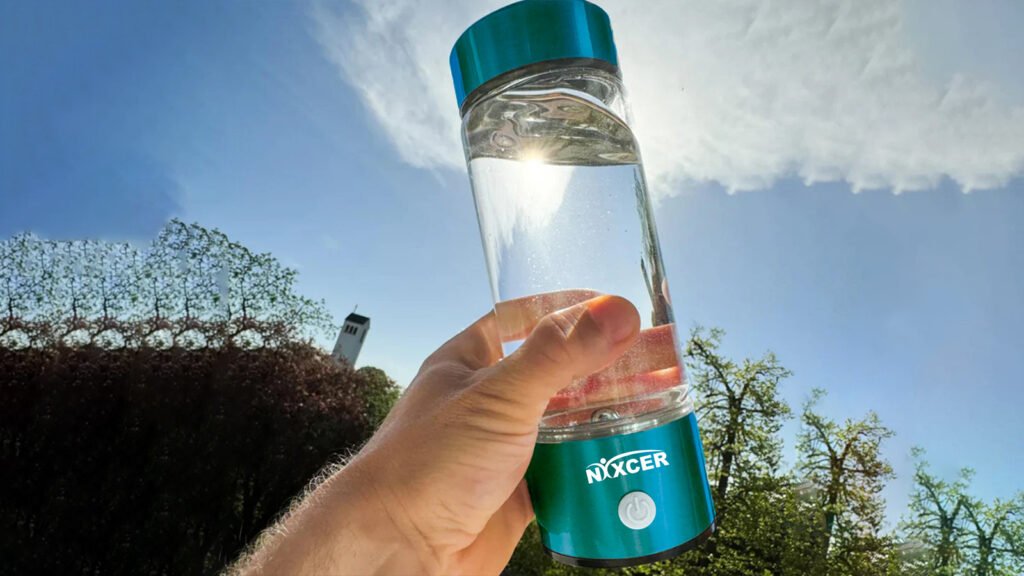
Introduction Water is essential for good health. It makes up about 60% of your body weight. Water helps regulate your body temperature and transport nutrients. Staying well-hydrated can improve your energy levels, mental clarity, and overall health. But how much water do you need each day—and can hydrogen water, like that from the Nixcer Hydrogen Water Bottle, offer added advantages? This guide looks at how much water you need each day. It explains the benefits of staying hydrated. It also discusses hydrogen water and gives tips to help you stay refreshed and healthy. How Much Water Should You Drink? The question of Daily Hydration: How Much Water Should You Drink? is not one-size-fits-all. The National Academies of Sciences, Engineering, and Medicine recommend an adequate daily fluid intake of: These amounts include fluids from all sources, such as water, other beverages, and food. A simpler guideline is the “8×8 rule.” This equates to consuming eight 8-ounce glasses, or roughly 2 liters, daily. However, individual needs can vary based on several factors. Factor Impact on Hydration Needs Exercise Increases fluid loss through sweat, requiring 12 ounces more per 30 minutes of activity. Climate Hot or humid conditions lead to greater fluid loss, necessitating more water intake. Health Conditions Fever, vomiting, or diarrhea increase dehydration risk, requiring additional fluids. Age and Weight Seniors might require less because of reduced body water, whereas larger individuals need more A simple way to estimate your needs is to divide your body weight in pounds by two. This will give you the ounces of water you should drink each day. For example, a 150-pound person should target about 75 ounces (9 cups). Knowing how much hydrogen daily your body may benefit from can further personalize this estimate. Always listen to your body’s thirst signals and adjust based on your lifestyle. Benefits of Proper Hydration Staying hydrated offers a range of health benefits that support your body’s optimal performance: Dehydration, on the other hand, can lead to symptoms like dark yellow urine, weakness, dizziness, or confusion. Maintaining fluid balance is key to avoiding these issues. What is Hydrogen Water? Hydrogen water is regular water infused with additional hydrogen molecules (H2), typically through electrolysis or dissolving hydrogen gas under pressure. The oxygen connects to the hydrogen in H2O. In hydrogen water, the additional hydrogen is “unbound.” This free hydrogen may work as an antioxidant. Nixcer’s hydrogen water bottles use special technology to add hydrogen to water. This simplifies experimenting with this trend. Potential Benefits of Hydrogen Water Research on hydrogen water is still new. Some studies suggest it may have benefits, but experts say we need more evidence. Possible advantages include: Nonetheless, doubts persist. Many experts, like those from WebMD and Healthline, say that regular water is enough for hydration. They believe the benefits of hydrogen water may not be worth its higher cost. The Food and Drug Administration recognizes hydrogen water as safe, but long-term effects are understudied. For now, its primary value may be encouraging people to drink more water. Tips for Staying Hydrated Whether you opt for regular water or hydrogen water, these strategies can help you maintain optimal hydration: Conclusion Staying hydrated is crucial for your health. Knowing how much water you should drink daily is essential for feeling good. While general guidelines suggest 8-13 cups of fluid daily, your needs depend on your lifestyle and health. Hydrogen water, such as that from Nixcer, may have benefits like being an antioxidant. However, regular water is still a good and affordable choice. By carrying a water bottle, eating foods with water, and listening to your body’s needs, you can stay hydrated the right way. Knowing how much hydrogen daily your body may benefit from can further enhance hydration. Make hydration a priority with Nixcer and help your body truly thrive!

Introduction Hydrogen water has surged in popularity, celebrated for its potential health benefits like antioxidant properties and enhanced hydration. However, one question frequently arises: Does hydrogen water taste different from regular water? At Nixcer, a top brand in hydrogen water bottles, we will explore this topic in detail. We will look at what affects taste, consumer experiences, and how our products provide a great drinking experience. What is Hydrogen Water? Hydrogen water is regular water (H₂O) that has extra molecular hydrogen (H₂) added to it. People use methods like electrolysis or gas infusion to accomplish this. Hydrogen water products usually have 0.5 to 1.6 parts per million (ppm) of dissolved hydrogen. This is more than the small amounts found in regular water. Many people are interested in its health benefits, like reducing oxidative stress and helping athletic performance. However, many consumers also want to know about its taste and sensory qualities. Does Hydrogen Water Taste Different? The answer depends on individual perception and several external factors. Molecular hydrogen (H₂) is odorless and tasteless, meaning it doesn’t inherently alter the flavor of water. However, many consumers report that hydrogen water tastes cleaner, purer, or slightly smoother than regular tap water. This view comes from the advanced filtration methods used to make hydrogen water. These methods remove impurities like chlorine that can change the taste. Some people say hydrogen water feels silkier or lighter in the mouth. This may be because of tiny hydrogen bubbles formed during infusion. These bubbles might create a slight difference in texture. However, these differences are often minimal, and not everyone notices them. A 2018 study found no significant taste difference between hydrogen-rich water and regular water. This suggests that any taste change likely comes from factors other than the hydrogen itself. Factors Influencing the Taste of Hydrogen Water Several elements can shape the taste of hydrogen water, making the experience highly subjective. Below, we explore the key factors: 1. Water Source and Quality The taste of hydrogen water begins with the source water. Different water sources, like tap water, spring water, and bottled water, have different minerals, pH levels, and dissolved solids. These factors all affect the flavor. For instance, tap water containing high chlorine levels may taste chemical. In contrast, spring water with natural minerals may taste better. At Nixcer, we recommend using filtered or purified water to ensure a neutral, pleasant base for hydrogen infusion. 2. Filtration and Production Process Most hydrogen water bottles, including Nixcer’s, incorporate advanced filtration systems like activated carbon or reverse osmosis to purify water before adding hydrogen. These processes remove contaminants, chlorine, and other substances that can cause off-flavors, resulting in a crisp, clean taste. However, extensive filtration, such as reverse osmosis, may remove minerals, leading to a “flat” taste for some. Nixcer designs its bottles to balance purification with mineral retention for optimal flavor. 3. Mineral Content Minerals like calcium, magnesium, sodium, and potassium contribute to water’s taste and mouthfeel. Research shows that people often prefer water with moderate mineral content. This level adds a subtle flavor. Extremely low or high mineral levels can make water taste flat or too strong. Hydrogen water production may alter mineral content depending on the filtration method. Nixcer ensures a balanced mineral profile to enhance taste without compromising purity. 4. Hydrogen Concentration The concentration of dissolved hydrogen in water, typically 0.5–1.6 ppm, can vary. Hydrogen has no taste. Some people think that higher amounts (like more than 1.6 ppm) might make it taste lighter or sweeter. However, there is not much scientific proof for this. The stability of hydrogen is low, with concentrations decreasing over time, which may subtly affect taste perception. Nixcer’s bottles deliver an optimal hydrogen concentration for both taste and potential health benefits. 5. Storage and Container Materials The material of the bottle can impact taste over time. Glass and stainless steel do not add flavors. Some plastics can release chemicals, especially when heated or in sunlight. Nixcer uses high-quality, BPA-free materials to ensure your hydrogen water remains pure and free from unwanted tastes. Proper storage in a cool, dark place also helps maintain freshness. 6. Temperature Temperature significantly affects taste perception. Water that is cooler, between 15–20°C (59–68°F), feels fresh and energizing. Warmer water retains less gas, potentially altering its mouthfeel. For the best experience, serve Nixcer hydrogen water chilled. Factor Impact on Taste Water Source Varies by mineral content, pH, and dissolved solids; tap water may have chlorine taste. Filtration Process Removes impurities for a cleaner taste; may reduce minerals, affecting flavor. Mineral Content Moderate levels enhance flavor; too low can taste flat, too high can be overpowering. Hydrogen Concentration Higher levels may subtly affect mouthfeel; hydrogen itself is tasteless. Storage Materials Glass/stainless steel are neutral; plastic may leach flavors over time. Temperature Cooler water tastes fresher; warmer water may reduce hydrogen solubility. Addressing Common Taste Concerns Occasionally, consumers report a “funny” taste or smell in hydrogen water. This can result from: For excellent flavor, utilize pure, filtered water. Follow Nixcer’s cleaning guidelines. Drink hydrogen water within 4–8 hours of opening to keep it fresh. The Science Behind Hydrogen Water While taste is the focus, it’s worth noting why hydrogen water is popular. Researchers believe that molecular hydrogen acts as a selective antioxidant, potentially reducing harmful free radicals. Studies show that benefits include less inflammation, more energy, and better athletic performance. However, researchers need to do more studies. Hydrogen water is different from carbonated water. Carbonated water uses carbon dioxide to make bubbles and taste slightly acidic. In contrast, hydrogen water is neutral and non-carbonated. It focuses on purity and possible health benefits. Nixcer’s hydrogen water bottles use advanced technology to infuse OCS: deliver optimal hydrogen concentrations while ensuring a great taste. We design our bottles to maximize both the potential health benefits and the sensory experience of drinking hydrogen water. Conclusion Does hydrogen water have a unique taste? The response differs for each person and relies on elements such as water origin, purification, minerals, and

Introduction Hydrogen water has become extremely popular among those mindful of their health and exploring options like hydrogen water tablets vs bottle to increase their intake. This can help reduce oxidative stress. It can also improve athletic performance. Overall, it promotes better well-being. This special water contains molecular hydrogen (H₂). People know it for its antioxidant properties. These properties may help neutralize harmful free radicals in the body. Many ways exist to drink hydrogen water. This raises the question: which is better for daily use—hydrogen water tablets or hydrogen water bottles? In this manual, we will examine the advantages and disadvantages of every choice. We will focus on cost, convenience, hydrogen concentration, taste, environmental impact, and health benefits. We’ll also highlight why Nixcer hydrogen water bottles stand out as the superior choice for daily hydration. What is Hydrogen Water? Hydrogen water is regular water (H₂O) mixed with molecular hydrogen gas (H₂). This gas is colorless and tasteless. People know it for its antioxidant properties. Hydrogen water may provide health benefits that plain water does not. It can help reduce oxidative stress. This stress is important in aging and chronic diseases. Research shows it may help athletes recover, increase energy, and support metabolic health. However, researchers need to conduct more studies to confirm these effects, according to WebMD. To add hydrogen water to your daily routine, the delivery method matters. You can choose between bottles or tablets, and this decision impacts both convenience and effectiveness. What are Hydrogen Water Tablets? Hydrogen water tablets are compact, dissolvable supplements containing magnesium and other compounds, such as malic or tartaric acid. When placed in a glass of water, they react to make hydrogen gas. This gas mixes with the water, creating hydrogen-rich water. This method is popular for its simplicity and portability, making it a convenient option for those on the go. Pros of Hydrogen Water Tablets Portability: Lightweight and easy to carry, tablets are ideal for travel, work, or outdoor activities. No matter your location, simply place a tablet in a water glass. High Hydrogen Concentration: Some tablets can create higher levels of H₂. They often reach 8–10 ppm (parts per million). This amount may be more than what many bottles achieve in one cycle. Ease of Use: You don’t need any equipment or power source. Simply place a tablet in water, allow it to dissolve, and then consume. Long Shelf Life: Tablets remain effective for months when stored properly, requiring no maintenance. Cons of Hydrogen Water Tablets Single-Use Nature: Each tablet is used only once. This leads to ongoing costs and waste from packaging. These can add, especially with daily use. Immediate Consumption Required: Hydrogen gas is unstable and escapes quickly. Therefore, drink the water right away to keep the benefits of Hydro Pitcher. Taste Alteration: Some tablets can leave a bitter or metallic taste. This is because of magnesium compounds, which can change the drinking experience. Environmental Impact: The single-use nature and plastic packaging contribute to a larger environmental footprint compared to reusable bottles. Potential Health Concerns: Excessive consumption of tablets containing magnesium hydroxide may cause digestive issues like nausea or diarrhea. What are Hydrogen Water Bottles? Hydrogen water bottles are reusable devices that use electrolysis technology to infuse regular water with molecular hydrogen. These bottles have a built-in generator. They split water molecules into hydrogen and oxygen. The hydrogen then dissolves in the water. A rechargeable battery powers the process, making it a high-tech, sustainable option for daily use. Pros of Hydrogen Water Bottles Reusability: A one-time purchase allows indefinite use, reducing long-term costs and waste compared to single-use tablets. Consistent Hydrogen Levels: Bottles deliver steady and controlled hydrogen concentrations, typically 3–5 ppm per cycle, sufficient for daily health benefits Clean Taste: The water made is pure and has no additives. It tastes like regular water without any aftertaste from tablets. Convenience for Daily Use: Just fill the bottle, press a button, and enjoy hydrogen-rich water in minutes. Perfect for daily use. Eco-Friendly: Reusable bottles significantly reduce waste, making them a sustainable choice for environmentally conscious users. Cons of Hydrogen Water Bottles Higher Initial Cost: Bottles typically cost $50–$200 upfront, which is more expensive than a single pack of tablets. Maintenance Required: Regular cleaning and occasional charging are necessary to maintain performance and hygiene. Comparison for Daily Use When evaluating hydrogen water tablets vs. bottles for daily use, several factors determine the better option: Aspect Hydrogen Water Tablets Hydrogen Water Bottles Cost $1–$2 per tablet; ~$960/year (4 tablets/day) ~$200 initial cost; ~$20/year maintenance Convenience Requires restocking, immediate consumption On-demand, no restocking, multiple uses per charge Hydrogen Concentration 8–10 ppm, varies by brand and water quality 3–5 ppm, consistent and controlled Taste May have bitter/metallic aftertaste Clean, neutral taste like regular water Environmental Impact Single-use, generates packaging waste Reusable, eco-friendly, reduces waste Health Safety May cause digestive issues due to additives Pure, additive-free water, safer for daily use Cost Tablets may seem cheap at first, costing $1 to $2 each. Nevertheless, daily usage can accumulate costs. Taking four pills daily costs $20 for a pack of 30. This totals $80 monthly or $960 annually. Nixcer’s hydrogen water bottle costs only around $27, making it a much more affordable option compared to other expensive brands. With a low annual maintenance cost of just $20, it becomes a smart and budget-friendly investment over time. Convenience For daily use, tablets require constant restocking and immediate consumption, which can disrupt busy schedules. Hydrogen water bottles, however, generate fresh hydrogen water on demand, allowing multiple servings throughout the day without preparation hassles. Hydrogen Concentration Tablets can produce higher concentrations (8–10 ppm), but this varies based on brand and water quality. Bottles offer consistent levels (3–5 ppm), which research suggests is sufficient for health benefits Quicksilver Scientific. Consistency is key for daily use, giving bottles an edge. Taste Tablets can change the taste of water because of magnesium compounds. In contrast, bottles provide pure, neutral-tasting water. This improves the daily drinking experience. Environmental Impact Tablets generate

Introduction In recent years, hydrogen water has surged in popularity, captivating health enthusiasts and researchers alike. What makes this beverage special? Hydrogen water is simply regular water infused with molecular hydrogen (H2), a process that enhances its potential health benefits. The hydrogen in H2O connects to oxygen. In hydrogen water, the additional hydrogen is “unbound.” Devices like a hydrogen water bottle make it easy to infuse this extra hydrogen into water for daily use. Many people consider it a strong antioxidant. From boosting energy to supporting long-term health, hydrogen water is making waves in the wellness world. In this guide, we will look at five amazing ways hydrogen water can improve your life. Science supports these ideas. No matter if you are an athlete, health-conscious, or just curious, learn how Nixcer Hydrogen Water Bottle can help you. 1. Boosts Antioxidant Defense One of the standout benefits of hydrogen water is its ability to combat oxidative stress. Oxidative stress happens when there is an imbalance between free radicals and antioxidants in the body. Free radicals are unstable molecules that can harm cells. Researchers link this imbalance to aging, heart disease, and even cancer. In hydrogen water, molecular hydrogen functions as a selective antioxidant, neutralizing damaging reactive oxygen species (ROS) while maintaining beneficial molecules. A study published in Scientific Reports used a randomized double-blind method. It found that drinking hydrogen-rich water for four weeks increased biological antioxidant potential. It also reduced markers of oxidative stress. One marker is 8-Oxo-2’-deoxyguanosine, which shows DNA damage. By adding hydrogen water to your routine, you can boost your body’s defense against cell damage. This may lower the risk of chronic diseases and help support long-term health. 2. Enhances Athletic Performance For those who lead an active lifestyle, hydrogen water could be a game-changer. High-intensity exercise produces free radicals and lactic acid, leading to muscle fatigue and slower recovery. Researchers have shown that hydrogen water mitigates these effects, helping athletes perform better and recover faster. A study in Nutrients found that cyclists who drank hydrogen water for seven days performed better. They had lower blood lactate levels and less muscle fatigue during sprints. Another study noted that hydrogen water improved ventilatory efficiency, allowing athletes to sustain high-intensity efforts longer. Hydrogen water can help reduce fatigue and support muscle recovery. This can help you push your limits, whether you are a pro athlete or a weekend warrior. 3. Supports Healthy Aging Aging is inevitable, but oxidative stress accelerates it by damaging cells and tissues. Hydrogen water’s antioxidant properties may help slow this process, promoting healthier aging. Hydrogen water can protect skin cells by neutralizing free radicals. It also improves hydration and boosts elasticity. This helps maintain a youthful appearance. Research supports this potential. A study with older adults found that drinking hydrogen water for six months helped improve skin hydration. It also reduced visible signs of aging, like wrinkles. Additionally, by reducing oxidative stress, hydrogen water may lower the risk of age-related conditions like cardiovascular diseases and neurodegenerative disorders. While researchers need to conduct more long-term studies, hydrogen water offers a promising approach to aging gracefully. 4. Promotes Metabolic Health Maintaining metabolic health is key to preventing conditions like diabetes, obesity, and heart disease. Hydrogen water may help improve metabolic markers. This is especially true for people with metabolic syndrome. Metabolic syndrome includes high blood sugar, high cholesterol, and extra body fat. A 2020 study found that people who drank high-concentration hydrogen water for 24 weeks had lower blood sugar levels. They also had better cholesterol levels, with higher HDL and lower LDL. Additionally, their body mass index (BMI) decreased. These benefits likely come from hydrogen’s ability to lower oxidative stress and inflammation. Both of these factors can lead to metabolic problems. Adding hydrogen water to your diet could support weight management and reduce your risk of chronic diseases. 5. Reduces Inflammation Chronic inflammation is a silent driver of many diseases, including arthritis, cardiovascular diseases, and certain cancers. Hydrogen water’s anti-inflammatory properties make it a potential ally in combating these conditions. Researchers have shown that molecular hydrogen reduces inflammatory markers like C-reactive protein (CRP) and interleukin-6 (IL-6). A study on people with metabolic syndrome found that drinking hydrogen-rich water for 24 weeks reduced inflammation markers. This improved their overall health. Another study in Free Radical Biology & Medicine showed that hydrogen water reduced inflammatory responses in healthy adults, enhancing immune function. By incorporating hydrogen water, you may alleviate symptoms of inflammatory conditions and support better overall health. Safety and Considerations Hydrogen water is generally considered safe, with no significant side effects reported in studies. Unlike some supplements, it’s non-toxic and easy to incorporate into your daily routine. However, it’s more expensive than regular water, so consider your budget. Always consult a healthcare professional if you have specific health concerns before making significant dietary changes. Why Choose Nixcer? At Nixcer, we want to help you enjoy the health benefits of hydrogen water. Our Hydrogen Water Bottle is state-of-the-art. Using advanced electrolysis technology, our bottle infuses water with molecular hydrogen, ensuring you get the maximum benefits with every sip. To enhance your energy, speed up recovery, or maintain long-term health, Nixcer simplifies the process for you. Conclusion Hydrogen water offers a range of potential benefits that could transform your life. This innovative drink helps boost antioxidant defenses. It also enhances athletic performance and supports healthy aging. Additionally, it promotes metabolic health and reduces inflammation. Promising research backs these benefits. Researchers need to conduct more studies to understand the long-term effects. However, current evidence shows that hydrogen water is safe and can help a healthy lifestyle. Ready to unlock the power of hydrogen water? Explore Nixcer’s Hydrogen Water Bottle and start your journey to better health today. Visit our website to learn more and buy now!
Introduction Learning how to clean your hydrogen water bottle is essential for maintaining optimal hydrogen production and ensuring you get high-quality hydrogen water every day. The Nixcer Pro hydrogen water bottle delivers antioxidant-rich water with molecular hydrogen, but proper maintenance keeps your bottle working efficiently and extends the life of your bottle. As hydrogen water continues its momentum in the Hydrogen Water Trend 2025, more consumers are discovering the benefits of hydrogen-rich water. However, many don’t realize that maintaining your hydrogen water bottle is crucial for consistent hydrogen generation and water quality. This simple guide will show you exactly how to clean a hydrogen water generator bottle and establish a cleaning routine that keeps your bottle in top condition. Why Cleaning Your Hydrogen Water Bottle Matters Your hydrogen water bottle uses advanced electrolysis technology to infuse water with molecular hydrogen. Over time, minerals from tap water, residue, and buildup can interfere with the hydrogen generation process, reducing hydrogen concentration and affecting the taste of your hydrogen water. Regular cleaning ensures: Understanding Your Nixcer Pro Hydrogen Water Bottle The Nixcer Pro hydrogen water bottle features cutting-edge electrolysis technology that separates hydrogen and oxygen to create hydrogen-infused water. Unlike ordinary water or regular water, this process generates water with hydrogen at concentrations up to 8000 ppb—delivering powerful antioxidant-rich water for your wellness routine. To maintain your hydrogen water bottle’s peak performance and ensure your hydrogen water bottle functions optimally, follow these cleaning tips for hydrogen water bottles. Daily Cleaning Routine: Keep Your Bottle Fresh Simple Daily Maintenance After Every Use: Important Tips for Hydrogen Water Bottle Care: Weekly Deep Clean: Step-by-Step Guide to Cleaning What You’ll Need: Deep Clean Process: 1: Initial Rinse 2: Soap Cleaning 3: Thorough Rinse 4: Air Dry Monthly Deep Clean with Citric Acid or Vinegar For a more intensive clean to remove mineral buildup: Vinegar Method: 1: Prepare Cleaning Solution 2: Soak 3: Run a Hydrogen Cycle 4: Deep Rinse Citric Acid Alternative: For those who prefer citric acid: Cleaning Tips for Hydrogen Water Bottle Components Caring for the Lid and Seal: Maintaining the Base (Hydrogen Water Generator): Type of Water: What to Use in Your Hydrogen Water Bottle The type of water you use significantly impacts hydrogen production and your bottle’s longevity. Best Water Choices: Avoid: Pro Tip: Always use filtered water or purified water in your hydrogen water bottle to ensure optimal hydrogen concentration and protect your investment. Tips for Maintaining Your Hydrogen Water Bottle Best Practices: Use Your Hydrogen Water Bottle Properly Water Quality Matters Timing is Everything Regular Inspection Storage Tips for Hydrogen Water Bottles Common Mistakes to Avoid Don’t Make These Cleaning Errors: Using harsh chemicals – They can damage the hydrogen water generator Scrubbing electrolysis plates aggressively – This reduces hydrogen production Letting hard water minerals accumulate – Regular cleaning prevents this Using tap water without filtering – Minerals could interfere with the hydrogen generation Skipping the drying process – Moisture breeds bacteria Ignoring cleaning routine – Consistency keeps your bottle working optimally Troubleshooting: Maintaining Your Hydrogen Water Bottle Performance If Hydrogen Production Decreases: Deep Clean with Citric Acid Check Water Quality Inspect the Generator Run Multiple Cleaning Cycles The Nixcer Pro Hydrogen Water Bottle Advantage At Nixcer, we’ve designed the Pro hydrogen water generator bottle with easy maintenance in mind. Our advanced features include: The Nixcer Pro hydrogen water generator bottle 8.0 ppm to ensures you get high-quality hydrogen water every day with minimal maintenance effort. Advanced Cleaning Tips for Hydrogen Water Enthusiasts Monthly Maintenance Checklist: Seasonal Deep Maintenance: Every 3-4 months, perform an intensive clean: Maximizing the Benefits of Hydrogen-Rich Water Proper cleaning ensures you consistently receive: How Water Quality Affects Your Hydrogen Water Experience Understanding the relationship between water quality and hydrogen generation helps you maintain your hydrogen water bottle effectively: Filtered Water Benefits: Why Tap Water Requires Filtering: Purified Water in Your Hydrogen Bottle: Integration with Your Daily Wellness Routine The Nixcer Pro hydrogen water bottle fits seamlessly into your lifestyle while delivering powerful health benefits: Morning Routine: Post-Workout: Evening Wind-Down: Environmental Benefits of Proper Maintenance Keeping your best hydrogen water bottle in excellent condition supports sustainability: FAQs: Cleaning Your Hydrogen Water Bottle Q: How often should I clean my hydrogen water bottle? A: Rinse after every use, perform a weekly deep clean, and do a monthly intensive cleaning with vinegar or citric acid. Q: Can I use tap water in my best hydrogen pro water bottle? A: While possible, it’s better to use filtered water. Tap water may contain minerals that could interfere with the hydrogen generation and cause faster buildup. Q: What’s the best way to remove hard water stains? A: Use a vinegar and water solution or citric acid treatment. Let it sit for 20 to 25 minutes, then rinse the bottle thoroughly with clean water. Q: Will cleaning affect hydrogen production? A: Regular cleaning actually improves hydrogen production by removing buildup that could reduce hydrogen generation efficiency. Q: How do I know if my bottle needs a deep clean? A: Signs include reduced hydrogen bubble production, strange tastes, visible mineral deposits, or decreased battery life. Q: Can I put my hydrogen water bottle in the dishwasher? A: No, never put the electronic base or bottle in a dishwasher. Always hand wash with warm water and mild soap. Conclusion: Keep Your Bottle Working Optimally Learning how to clean your hydrogen water generator bottle properly ensures you continue enjoying the benefits of hydrogen-rich water every day. This simple guide to cleaning gives you everything needed to maintain your hydrogen water bottle in top condition. The Nixcer Pro hydrogen water bottle represents the cutting edge of the Hydrogen Water Trend 2025, combining advanced technology with user-friendly maintenance. By following this cleaning routine and using high-quality filtered water or purified water, you’ll ensure your hydrogen water bottle functions at peak performance for years to come. Regular maintenance helps: Don’t let mineral buildup or residue interfere with the hydrogen generation process. Follow these tips for maintaining your