H2O is water — two hydrogen atoms bonded to one oxygen atom. H3O⁺ (hydronium) is a charged ion that forms when water gains an extra proton in acidic conditions. It is unstable, cannot be bottled, and is not the same as hydrogen water. Hydrogen water is regular H2O with dissolved molecular hydrogen gas (H₂) — a scientifically studied concept with 546+ peer-reviewed studies and real potential wellness benefits. What Is H2O? (Regular Water) H2O is one of the most well-known chemical formulas on Earth — and for good reason. It is water. Every molecule of H2O contains two hydrogen atoms bonded to one oxygen atom. This simple arrangement gives water a set of remarkable properties that make life possible. Because oxygen pulls electrons more strongly than hydrogen, the H2O molecule has a slight negative charge near the oxygen and slight positive charges near the hydrogen atoms. This polarity allows water molecules to stick to each other (called hydrogen bonding), which explains why water has surface tension, a high boiling point, and an incredible ability to dissolve other substances. H2O is: When people talk about “drinking water,” “tap water,” “mineral water,” or “purified water,” they are all talking about H2O. What Is H3O? (The Hydronium Ion) H3O⁺, called the hydronium ion, is what forms when a water molecule (H2O) picks up an extra proton (H⁺) from an acid. Here is what that looks like chemically: H2O + H⁺ → H3O⁺ When you drop an acid — like hydrochloric acid (HCl) — into water, the acid releases a hydrogen ion (H⁺). That ion attaches to a water molecule, creating the hydronium ion H3O⁺. This process is called protonation. The hydronium ion is not a stable, independent molecule. It is a transient ion — meaning it exists briefly and constantly converts back and forth between H2O and H3O⁺. In fact, H3O⁺ is present in all water in tiny amounts, because even pure water undergoes a small amount of self-ionization. Key facts about H3O⁺: H3O⁺ is important in chemistry and biology, but it is not something you consciously drink. Every glass of water already contains some hydronium ions. H3O vs H2O: Side-by-Side Comparison Property H2O (Water) H3O⁺ (Hydronium Ion) Chemical type Neutral molecule Positively charged ion Formula H2O H3O⁺ Atoms 2 hydrogen + 1 oxygen 3 hydrogen + 1 oxygen Charge None (neutral) +1 (positive) Molecular shape Bent (~104.5°) Trigonal pyramidal (~113°) pH effect Neutral (pH 7) Lowers pH (makes acidic) Stability Stable, drinkable Unstable, reverts to H2O Role Hydration, solvent, life support Acid-base reactions, pH regulation Can you drink it? Yes Not in isolated form Found in everyday water? Yes — it IS everyday water Yes — in tiny amounts Artificially enhanced? Not needed Cannot be stably enhanced Can You Drink H3O? The Truth Behind the Marketing You have probably seen ads for “H3O water” claiming it gives you better hydration, more energy, or detox benefits. Here is the science-based answer: H3O water as a marketable product does not exist in a meaningful way. Here is why: Consumer advocacy groups have flagged multiple companies for deceptive marketing of “H3O-enhanced” water. The FDA does not regulate “water structure” claims, leaving a gap that allows pseudoscientific marketing to flourish. Bottom line: If you see a product labeled “H3O water,” it is either describing something already present in all water (hydronium ions), or it is marketing language for ionized or acidic water — neither of which has proven health advantages over regular water. What Is Hydrogen Water? (The Science-Backed Alternative) Hydrogen water is completely different from H3O water, and that distinction matters enormously. Hydrogen water is simply regular H2O with dissolved molecular hydrogen gas (H₂) added to it. Think of it like carbonation — when you add CO₂ to water, you get sparkling water. When you add H₂ gas to water, you get hydrogen water. The water’s chemical structure stays H2O. You are not creating a new molecule. You are dissolving an additional gas into the liquid. This is what makes hydrogen water a legitimate topic of scientific study. There are now 546+ studies on PubMed examining hydrogen-rich water’s effects on the human body. That number is zero for “H3O water.” Why Molecular Hydrogen (H₂) Matters Molecular hydrogen (H₂) is the smallest molecule in existence. Because of its tiny size, H₂ can penetrate cell membranes, cross the blood-brain barrier, and reach areas that larger antioxidants simply cannot access. Once inside cells, it acts as a selective antioxidant — it targets only harmful free radicals (specifically the hydroxyl radical •OH), without disrupting beneficial oxidative signaling. This selectivity is what makes hydrogen-rich water different from standard antioxidant supplements like Vitamin C or E, which can sometimes interfere with necessary cell signals. H3O vs H2O vs Hydrogen Water: Three-Way Comparison Feature H2O (Regular Water) H3O⁺ (Hydronium Ion) H2-Infused Water (Hydrogen Water) Chemical formula H2O H3O⁺ H2O + dissolved H₂ gas Naturally occurring? Yes Yes (in all water) Not naturally — needs a device Drinkable? Yes Not in pure form Yes Antioxidant properties? No No Yes (selective, via H₂) PubMed studies? Millions 0 (as health product) 546+ Can be bottled/made at home? Yes No Yes (with a hydrogen water bottle) Health benefits documented? Hydration only None proven Emerging — antioxidant, recovery Safe? Yes Not if highly acidic Yes Device needed? No N/A Yes — electrolysis device Health Benefits of Hydrogen Water: What the Research Says While hydrogen water research is still developing and more large-scale trials are needed, the existing body of evidence is encouraging. Here are the key findings from peer-reviewed studies: 1. Reduced Oxidative Stress A randomized, double-blind controlled trial found that adults who consumed 1.5 liters of hydrogen-rich water per day showed reduced inflammatory responses and increased antioxidant capacity compared to those drinking plain water. Oxidative stress is linked to fatigue, aging, inflammation, and chronic disease. 2. Improved Athletic Recovery and Endurance A 2024 review of multiple studies found hydrogen water showed promise in reducing fatigue and increasing endurance in athletes. Intense exercise creates a surge

Your kidneys do a remarkable job every day — filtering roughly 200 liters of blood and removing toxins, balancing fluids, and regulating blood pressure. Yet oxidative stress and chronic inflammation quietly threaten this vital function in millions of people worldwide. Hydrogen water — regular water infused with molecular hydrogen gas (H2) — has attracted growing scientific interest as a simple, natural way to support kidney health through targeted antioxidant action. And with devices like the Nixcer Pro Hydrogen Water Bottle now capable of producing up to 8,000 PPB (parts per billion) of dissolved hydrogen, getting therapeutic concentrations at home has never been more practical. This guide covers everything you need to know: what the research actually says, who may benefit, how to use hydrogen water safely, and how to choose the best hydrogen water bottle for your kidney wellness goals. What Is Hydrogen Water? Hydrogen water is ordinary water that has been infused with additional dissolved molecular hydrogen gas (H2). Unlike alkaline water, which focuses on pH levels, hydrogen water’s proposed benefits come specifically from the H2 molecule itself. Molecular hydrogen is the smallest molecule in existence. This tiny size lets it cross cell membranes and even penetrate the blood-brain barrier — something larger antioxidants like Vitamin C cannot do as easily. H2 acts as a selective antioxidant, targeting only the most harmful free radicals (hydroxyl radicals and peroxynitrite) without disrupting healthy biological processes. Property Hydrogen Water Alkaline Water Regular Water Main Active Agent Dissolved H2 gas Elevated pH None Antioxidant Action Yes — selective Weak / indirect No Cell Penetration Very high (tiny molecule) Low Moderate Kidney Research Growing (50+ studies) Very limited N/A PPB/PPM Range 500–8,000 PPB N/A N/A How the Kidneys Work — and Why They Need Protection The kidneys are two bean-shaped organs that perform several critical functions: The kidneys are highly metabolically active, which makes them especially vulnerable to oxidative stress — an imbalance between harmful free radicals and the body’s ability to neutralize them. When oxidative stress becomes chronic, it damages kidney cells, promotes inflammation, and can accelerate the progression of: This is where hydrogen water enters the conversation. Because H2 molecules are so small and targeted, they may be uniquely suited to combat the type of oxidative damage that the kidneys face. How Does Hydrogen Water Affect the Kidneys? The Core Mechanism: Selective Antioxidant Action When you drink hydrogen-rich water, dissolved H2 molecules absorb into your bloodstream and are carried to tissues throughout the body — including the kidneys. Inside kidney cells, H2 selectively reacts with and neutralizes the most destructive free radicals, specifically hydroxyl radicals (•OH) and peroxynitrite (ONOO⁻). What makes this remarkable is selectivity. Unlike broad-spectrum antioxidants that can interfere with normal biological signaling, H2 targets only cytotoxic radicals — the ones that cause DNA damage, cell death, and organ dysfunction. This property was first described in a landmark 2007 study published in Nature Medicine (Ohsawa et al.), which remains one of the most cited papers in hydrogen research. Three Primary Pathways Relevant to Kidney Health Pathway What It Does Kidney Relevance Antioxidant (ROS Neutralization) H2 neutralizes hydroxyl radicals and peroxynitrite Reduces oxidative damage to kidney cells and tubules Anti-Inflammatory (NF-κB Pathway) Suppresses pro-inflammatory cytokines like TNF-α and IL-1β Reduces renal inflammation; slows CKD progression Anti-Apoptotic (Cell Survival) Prevents programmed cell death in kidney tissue Protects against AKI and ischemia-reperfusion injury These three mechanisms work together to create a protective environment in the kidneys — reducing both the immediate damage from injury and the long-term wear from chronic disease. Key Potential Benefits of Hydrogen Water for Kidney Health 1. May Reduce Oxidative Stress in CKD Patients Chronic kidney disease is closely linked to elevated oxidative stress. As kidney function declines, the body accumulates reactive oxygen species (ROS), creating a harmful cycle that accelerates kidney damage. A 2024 cross-sectional study published in Antioxidants found that healthy adults who regularly consumed electrolyzed hydrogen water had significantly lower blood levels of reactive oxygen metabolites and blood urea nitrogen (BUN) — a key kidney function marker — compared to matched controls. 2. May Improve Outcomes in Dialysis Patients Some of the strongest human evidence for hydrogen water and kidneys comes from hemodialysis patients. Studies have shown that using hydrogen-enriched dialysis solutions or hydrogen-rich water: Note: Dialysis patients have strict fluid restrictions. Any hydrogen water consumption must be discussed with the dialysis care team before starting. 3. May Protect Against Acute Kidney Injury (AKI) AKI from causes like drug toxicity, ischemia-reperfusion injury, or surgery is a major medical challenge. Animal studies have consistently shown that hydrogen water or hydrogen-rich saline can: While these studies are primarily animal-based, the mechanisms are consistent and point toward real protective potential that human trials are beginning to confirm. 4. May Slow Renal Fibrosis Renal fibrosis — the scarring of kidney tissue — affects an estimated 10% of the global population and nearly half of adults over 70. Early research suggests that molecular hydrogen may help suppress fibrotic signaling pathways, offering a potential tool in slowing this otherwise irreversible process. 5. Supports Better Microcirculation Some evidence suggests hydrogen water may improve microcirculation — the delivery of oxygen and nutrients to kidney cells. Better microcirculation means better filtration capacity and improved waste removal, which is the core job of a healthy kidney. Clinical Research: What Studies Actually Show Summary of Key Research Study Type Finding Source / Year Human (Dialysis) EHW improved BUN, reduced oxidative stress, decreased fatigue in dialysis patients Nakayama et al., Antioxidants 2024 Human (Healthy Adults) Daily EHW consumers had lower oxidative stress and lower BUN vs. non-consumers ScienceDirect, Antioxidants 2022 Animal (AKI Model) HRW reduced inflammation markers, apoptosis, and oxidative damage in AKI rats Medical Gas Research, 2024 Animal (CKD / Hypertension) Hydrogen water suppressed CKD progression related to high blood pressure in rats Mol Cell Biochem, 2014 Animal (Transplant) HRW reduced severity of chronic allograft nephropathy; improved graft survival PMC Review, 2022 Systematic Review (25 studies) Encouraging results across kidney, liver, cardiovascular, and metabolic outcomes Int
Staying hydrated is one of the most important things you can do for your health — but not all hydration is equal. Regular water does the job, but a growing body of research points to hydrogen water as a smarter, more efficient way to fuel your body from the inside out. Hydrogen water is simply purified water infused with molecular hydrogen gas (H2). These extra, freely available hydrogen molecules may act as powerful antioxidants, helping to neutralize harmful free radicals, support cellular energy, and reduce the oxidative stress that builds up during exercise, stress, or illness. In this guide, you’ll learn exactly how hydrogen water keeps you hydrated and energized — and why the Nixcer Pro Hydrogen Water Bottle, with its industry-leading 8,000 PPB output and dual drink-and-inhale functionality, is one of the most capable pro hydrogen water bottles available today. What Is Hydrogen Water? Hydrogen water is standard water — H2O — that has been infused with additional free molecular hydrogen gas (H2). While regular water already contains hydrogen atoms bonded to oxygen, those atoms aren’t ‘free’ to interact with your body. In hydrogen-rich water, the extra H2 molecules are dissolved and bioavailable, meaning your body can actually use them. It goes by several names: hydrogen-rich water, hydrogenated water, or H2 water. These all mean the same thing — water with a measurably elevated concentration of dissolved molecular hydrogen, typically expressed in parts per billion (PPB) or parts per million (PPM). How Is Hydrogen Water Made? There are three common ways to get hydrogen water: For daily use and maximum freshness, a hydrogen water generator bottle is the most practical and cost-effective choice. How Does Hydrogen Water Work in the Body? The reason hydrogen water is so interesting from a science perspective comes down to one thing: the size of the H2 molecule. Molecular hydrogen is the smallest molecule that exists — far smaller than vitamin C or other antioxidants. This tiny size means it can pass through cell membranes and reach areas of the body that larger molecules simply can’t access. Once inside your cells, H2 molecules may selectively neutralize the most harmful reactive oxygen species (ROS) — the ‘free radicals’ that damage DNA, proteins, and cell walls. Unlike broad antioxidants, molecular hydrogen targets only the most damaging radicals, leaving beneficial reactive species (which the body needs for immune function) untouched. Research published in PMC’s systematic review of hydrogen-rich water found that H2 is effective against oxidative stress and demonstrates anti-inflammatory and anti-allergy benefits — all driven by its ability to work at the cellular level. How Hydrogen Water Keeps You Hydrated You might wonder: isn’t all water equally hydrating? In terms of basic fluid intake, yes. But hydrogen water may enhance how efficiently your cells actually absorb and use that water. Cellular-Level Hydration When H2 molecules neutralize harmful oxygen radicals inside cells, they convert to H2O — literally adding more water at the cellular level. This means hydrogen water may support hydration more deeply than regular water, particularly during high oxidative stress (e.g., intense exercise, heat exposure, or illness). Research from Perricone Hydrogen Water Company notes that hydrogen water boosts mitochondrial function — the energy-producing centers in your cells — which leads to more efficient water retention at the cellular level. Better cell health means better fluid balance throughout the body. Electrolyte Balance Support While hydrogen water doesn’t contain electrolytes directly, it may help maintain the body’s natural electrolyte balance. Inflammation and oxidative stress — both of which hydrogen water helps reduce — are common triggers for electrolyte disruption. By addressing the root cause, hydrogen water may help keep fluid distribution, nerve signaling, and muscle contractions running smoothly. Faster Rehydration After Exercise When you’re dehydrated, recovery is slower. Studies suggest that hydrogen water can support faster rehydration post-workout by improving blood flow and reducing muscle soreness — allowing water and nutrients to reach muscles more effectively. For athletes, this is a meaningful advantage. How Hydrogen Water Boosts Energy Feeling tired and sluggish is often tied to oxidative stress and mitochondrial inefficiency — two things that hydrogen water directly addresses. Mitochondrial Support Your mitochondria are the energy factories of your cells. They produce ATP — the molecule your body runs on. Oxidative stress can impair mitochondrial function, leading to lower energy, brain fog, and fatigue. Molecular hydrogen may help protect and enhance mitochondrial performance, resulting in more consistent, sustained natural energy throughout the day. Anti-Fatigue Effect in Athletes A peer-reviewed study in PMC (Effects of 7-Day Intake of Hydrogen-Rich Water on Physical Performance) found that trained cyclists who drank hydrogen-rich water for one week showed improved anaerobic peak power — from 766W to 826W — compared to a placebo group. The study attributed this to H2’s anti-fatigue effect, which suppresses the drop in biological antioxidant potential during intense exercise. Another study on soccer players found that hydrogen water drinkers had lower blood lactate levels and less muscle fatigue after exercise compared to a control group — meaning less soreness and faster bounce-back. Mental Clarity and Focus Many users of hydrogen water — including users of the Nixcer Pro — report improved mental clarity and reduced brain fog. This is consistent with hydrogen’s role in reducing neurological oxidative stress, which can impair cognitive function. While individual results vary, the mechanism is scientifically plausible. Top Health Benefits of Hydrogen Water (Science-Backed Summary) Benefit What the Research Says Evidence Level Antioxidant Protection H2 neutralizes harmful reactive oxygen species (hydroxyl radicals) Strong — multiple peer-reviewed studies Improved Athletic Performance Increased peak power, reduced lactate, less muscle fatigue in athletes Moderate — multiple small RCTs Faster Exercise Recovery Reduced muscle soreness and oxidative damage post-exercise Moderate — human trials Anti-Inflammatory Effects Reduced inflammatory markers in small-scale studies Emerging — early human studies Cellular Hydration H2 molecules enhance water absorption at cellular level Moderate — mechanistic + clinical Mitochondrial Energy Support Improved mitochondrial efficiency leads to better energy output Emerging — animal + small human studies Metabolic Health Reduced A1c and improved BMI
Hydrogen water is regular water infused with extra molecular hydrogen (H2) gas. In the body, this dissolved hydrogen acts as a selective antioxidant, neutralizing harmful free radicals, reducing inflammation, supporting athletic recovery, and potentially benefiting metabolic, brain, and skin health. Results vary by individual, and research is ongoing — but early clinical studies are promising What Is Hydrogen Water? Hydrogen water — also called hydrogen-rich water, hydrogenated water, or H2 water — is plain water that has been infused with additional dissolved molecular hydrogen gas (H2). Regular water already contains hydrogen (as part of H2O), but the hydrogen in standard water is chemically bonded to oxygen. In hydrogen water, extra free H2 gas molecules are dissolved directly into the liquid, where they remain available for your body to absorb. This extra hydrogen does not change the taste, color, or smell of the water. It simply adds a high concentration of the world’s smallest molecule — a molecule so tiny it can pass through cell walls and reach areas larger antioxidants cannot. Hydrogen water is classified by the FDA as generally recognized as safe (GRAS) at approved concentrations, and the National Cancer Institute has described it as having “potential preventive, antioxidant, anti-inflammatory and radiation protective activities.” How Does Hydrogen Water Work in the Body? When you drink hydrogen water, the dissolved H2 molecules absorb quickly through the digestive tract and enter the bloodstream. Because molecular hydrogen is the smallest molecule in existence, it can penetrate cell membranes, cross the blood-brain barrier, and reach subcellular structures like mitochondria — locations that larger antioxidant molecules simply cannot access. Inside the body, H2 primarily works in two ways: 1. Selective Antioxidant Action: H2 selectively neutralizes the most damaging type of free radicals — specifically hydroxyl radicals (•OH) and peroxynitrite (ONOO⁻). These are the two most destructive reactive oxygen species (ROS) linked to cell damage, aging, and disease. Critically, H2 does NOT neutralize all free radicals — only the harmful ones. This selectivity is important because some free radicals are useful for normal body signaling. 2. Cell Signaling & Anti-Inflammatory Pathways: H2 also modulates signaling pathways inside cells. It has been shown to suppress the NF-κB pathway — the master switch behind chronic inflammation. By calming this pathway, H2 reduces the production of inflammatory messengers like TNF-α, IL-6, and other interleukins. The byproduct of hydrogen neutralizing free radicals is simply water — making it a clean, non-toxic antioxidant. What Does Hydrogen Water Do for the Body? Core Benefits Here is a breakdown of what the science currently says, based on peer-reviewed clinical research and systematic reviews. 1. Fights Oxidative Stress and Free Radicals Oxidative stress occurs when free radicals outnumber the body’s natural antioxidants. Left unchecked, free radicals damage DNA, proteins, and cell membranes — accelerating aging and contributing to chronic disease. Multiple studies confirm that hydrogen water raises the body’s antioxidant capacity. One randomized, double-blind, placebo-controlled trial found that drinking 1.5 liters of hydrogen water daily for 4 weeks increased biological antioxidant potential (BAP) — particularly in participants over 30. The same study found it reduced programmed cell death (apoptosis) in immune cells, indicating cellular-level protection. 2. Reduces Chronic Inflammation One of the most consistent findings in hydrogen water research is its anti-inflammatory effect. Chronic, low-grade inflammation silently drives heart disease, diabetes, arthritis, neurodegeneration, and many cancers. Studies have shown that H2 water down-regulates NF-κB activity and reduces production of pro-inflammatory cytokines (TNF-α, IL-1β, IL-6, IL-12). A 4-week trial in healthy adults showed measurable reductions in inflammatory markers. A study on women with panic disorder found that 3 months of hydrogen-rich water significantly decreased multiple pro-inflammatory cytokines, even though overall psychological improvement was similar to placebo — suggesting anti-inflammatory action independent of mood. 3. Boosts Athletic Performance and Recovery This is one of the most researched and practically relevant benefits for everyday users. During intense exercise, the body produces lactic acid and reactive oxygen species — both of which cause muscle fatigue and delayed-onset muscle soreness (DOMS). Research shows that hydrogen water consumption: A 2021 study on trained and untrained cyclists found that 7 days of hydrogen water consumption improved performance and reduced fatigue — specifically in trained cyclists who already had high antioxidant capacity. A 2024 systematic review confirmed hydrogen water shows promise in reducing fatigue and increasing endurance, though some studies show mixed results. A 2019 randomized controlled trial found that drinking hydrogen-rich water 10 minutes before exercise was associated with reduced fatigue and increased exercise endurance, linked to H2’s antioxidant properties. 4. Supports Metabolic Health Metabolic syndrome — a cluster of conditions including high blood sugar, excess belly fat, high cholesterol, and high blood pressure — affects hundreds of millions globally. Oxidative stress and inflammation are central to its development. Clinical research on hydrogen water and metabolic health includes: It is important to note: hydrogen water is not a replacement for medication or lifestyle change. It may serve as a supportive, adjunct wellness tool. 5. May Support Brain and Mental Health Molecular hydrogen can cross the blood-brain barrier — a rare ability that makes it uniquely suited for neurological applications. Research suggests H2 may: One study found that participants who drank hydrogen-rich water for 4 weeks reported improved mood, reduced anxiety, and better overall emotional state. Animal studies have shown protective effects in models of Parkinson’s disease and stroke. Larger human trials are still needed to confirm these findings. 6. Potential Skin and Anti-Aging Benefits Because aging at the cellular level is largely driven by oxidative stress, hydrogen water’s antioxidant action may offer anti-aging benefits. Some research has explored: Studies in this area are still early, but the mechanism — reducing oxidative stress at the cellular level — is well-established. How Do Hydrogen Water Bottles Work? The most practical and cost-effective way to drink hydrogen water daily is through a hydrogen water generator bottle — also called a portable hydrogen water bottle or hydrogen pro water bottle. Here is how the technology works: The quality of the membrane determines the
Yes — but only certain types of water filters remove bacteria. Reverse osmosis (RO), ultrafiltration (UF), and UV purifiers are the most effective at removing or killing bacteria. Standard carbon filters and most pitcher filters do NOT reliably remove bacteria. Once your water is clean and bacteria-free, upgrading to a hydrogen water generator bottle like the Nixcer Pro adds powerful antioxidant benefits to every sip. What Is Bacteria in Water? Bacteria are microscopic, single-celled organisms found almost everywhere in nature — including water. Most bacteria in water are harmless or even beneficial. But some species, called pathogens, can make you seriously sick. The most common harmful bacteria found in drinking water include: According to the CDC, approximately 7.2 million Americans suffer from waterborne illnesses annually. While municipal water treatment handles most of this risk, private wells and aging infrastructure can still allow bacteria to reach your tap. Do Water Filters Remove Bacteria? (Direct Answer) Yes — some water filters remove bacteria very effectively. But not all filters do. This is the most important thing to understand: the phrase “water filter” covers a huge range of devices with very different capabilities. A basic fridge filter or pitcher filter is designed to improve taste — not eliminate bacteria. A reverse osmosis system or UV purifier, on the other hand, can remove or kill nearly all harmful bacteria. Whether a filter removes bacteria depends on: The bottom line: test your water first, then choose a filter certified for the specific threat in your supply. Types of Water Filters and Their Bacteria Removal Ability Not all filters work the same way. Here’s a clear breakdown of the most common types and how they handle bacteria: 1. Activated Carbon Filters (Most Common) Carbon filters — used in Brita, PUR, Zero Water, and most pitcher filters — work by adsorption. Water passes through porous carbon material, and chemicals, chlorine, and some heavy metals stick to the surface. Bacteria removal: ❌ Generally NOT effective Carbon filters are not designed to trap bacteria. Their pores are too large to physically block bacteria, and they don’t kill them either. In fact, studies have shown that improperly maintained carbon filters can become breeding grounds for bacteria — with some filtered samples containing up to 10,000 times more bacteria than the tap water before filtering (PubMed, 1998). Use carbon filters to: Improve taste, remove chlorine, reduce VOCs, reduce lead. Do NOT rely on them for: Bacteria, viruses, parasites. 2. Reverse Osmosis (RO) Filters Reverse osmosis forces water through a semi-permeable membrane with pores as small as 0.0001 microns. Bacteria typically measure 0.2–2 microns in size — far too large to pass through. Bacteria removal: ✅ Very effective (>99.9%) RO systems can block bacteria like E. coli and Salmonella reliably. They also reduce heavy metals, nitrates, fluoride, arsenic, and dissolved solids. The key limitation: RO doesn’t kill bacteria — it only blocks them. If the membrane is damaged or if bacteria grow inside the system due to poor maintenance, contamination is still possible. Best for: Well water users, households with lead or heavy metal concerns, comprehensive water purification. 3. UV (Ultraviolet) Filters UV filters don’t physically remove bacteria — they destroy them. Water passes through a chamber where UV-C light (at a specific wavelength) disrupts the DNA of bacteria and viruses, preventing them from reproducing. Bacteria removal: ✅ Highly effective (up to 99.99%) UV systems can eliminate nearly all bacteria, viruses, mold, and protozoa. Culligan and SpringWell offer whole-house UV systems certified to NSF Standard 55. The limitation: UV only works on microorganisms — it doesn’t remove chemicals, heavy metals, or sediment. For complete protection, UV is best combined with RO or carbon filtration. Best for: Well water users, households needing biological protection without chemical changes to water. 4. Ultrafiltration (UF) Filters UF systems use hollow fiber membranes with pore sizes between 0.01–0.1 microns — small enough to block bacteria, cysts, and some viruses. Unlike RO, UF retains beneficial minerals in the water. Bacteria removal: ✅ Very effective (>99.9%) UF is increasingly popular because it provides strong biological protection while being easier to install than RO. TAPP Water’s Ultra filter, for example, is certified for 99.95% bacteria removal independently tested in multiple countries. Best for: People who want bacteria protection while keeping mineral content intact. 5. Pitcher Filters (Brita, PUR, zero Water, etc.) Pitcher filters are the most widely used home filtration products. Most use granular activated carbon (GAC). Bacteria removal: ❌ Not effective Brita, PUR, zero Water, and most other standard pitchers make no claim about bacteria removal. They are designed for taste, odor, and chemical reduction only. If your primary concern is bacteria, a pitcher filter is not the right tool. Exception: Some pitchers with hollow fiber membranes (like certain LifeStraw pitcher models) do filter bacteria. Check the label for NSF certification. What Bacteria Do Water Filters NOT Remove? Even the best filtration systems have limits. Important points: If your water source has confirmed bacterial contamination, the CDC recommends boiling as the most universally reliable emergency treatment while you arrange a certified filtration solution. NSF Certifications: What They Mean for Bacteria When shopping for a water filter, look for NSF/ANSI certification. These independent standards confirm what a filter actually removes, not just what marketing claims. NSF Standard What It Covers NSF/ANSI 42 Aesthetic effects — taste, odor, chlorine NSF/ANSI 53 Health effects — lead, cysts, VOCs NSF/ANSI 58 Reverse osmosis systems NSF/ANSI 55 UV systems — bacteria & virus reduction NSF P231 Microbiological purifiers — bacteria, viruses, cysts Pro tip: A filter claiming to “remove bacteria” without an NSF certification number is a marketing claim, not a verified fact. Always check the filter’s NSF certification page at nsf.org before purchasing. Well Water vs. Municipal Water: Different Risks Your water source determines how seriously you need to think about bacteria: Municipal (Tap) Water: Most city water is treated with chlorine and goes through multi-stage processing before reaching your tap. Bacteria rarely make it through in normal conditions. However, aging pipes,
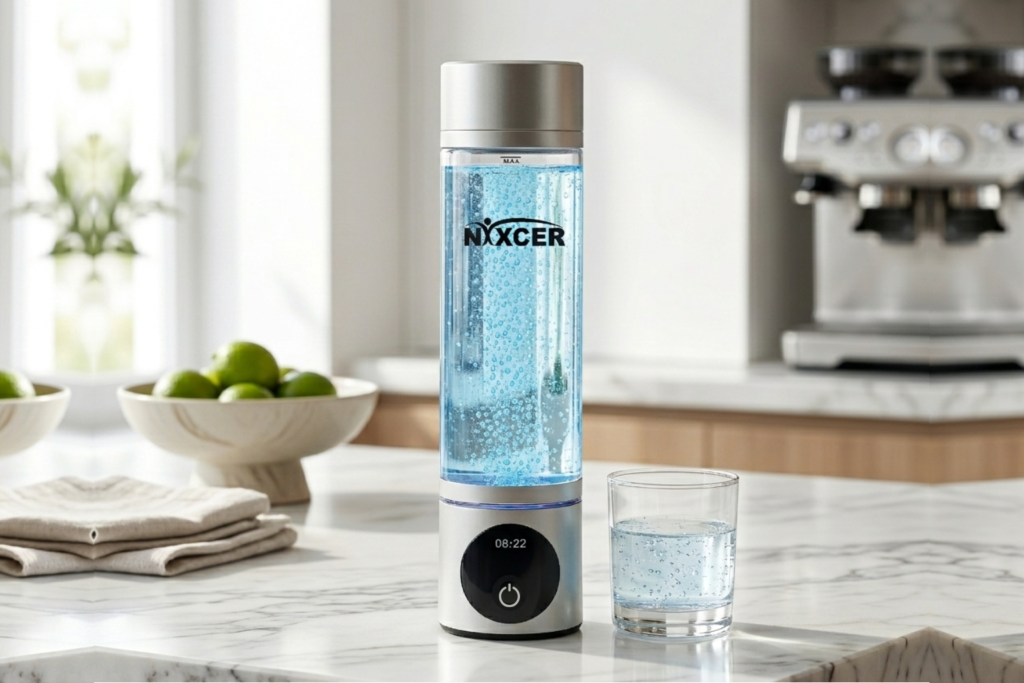
You invested in a hydrogen water generator bottle. Now you’re wondering: can you also get the benefits of electrolytes at the same time? The short answer is yes — but timing is everything. Adding electrolytes the wrong way can damage your device and actually reduce the hydrogen levels you paid for. This guide breaks down exactly how to do it right, why it works, and which portable hydrogen water bottle makes the whole process effortless What Is Hydrogen Water? Hydrogen water is regular water that has been infused with extra molecular hydrogen gas (H2). Water itself is H2O — two hydrogen atoms bonded to one oxygen atom. Hydrogen water adds free, unbound H2 molecules dissolved into the liquid. These molecules act as a selective antioxidant, targeting harmful free radicals in the body without interfering with beneficial cellular processes. Hydrogen water does not naturally contain electrolytes. Most hydrogen water devices use purified or filtered water, which strips out minerals along with contaminants. This means if you want both hydrogen and electrolyte benefits, you need to intentionally add them together — in the right order. How a Hydrogen Water Generator Bottle Works A hydrogen water generator bottle uses a process called electrolysis to split water molecules into hydrogen and oxygen gas. The best devices — like a pro hydrogen water bottle — use SPE (Solid Polymer Electrolyte) and PEM (Proton Exchange Membrane) technology. Here is what happens inside: Stage What Happens 1. Electric current passes through water Water molecules (H2O) begin to split 2. Cathode (negative electrode) Hydrogen ions gain electrons, forming H2 gas 3. Anode (positive electrode) Oxygen gas is produced and vented away 4. PEM membrane filters output Only pure H2 infuses into your drinking water 5. Ozone and oxygen safely vented Only clean molecular hydrogen remains in water Pure water is critical for this process. Water with dissolved minerals or salts becomes too electrically conductive, causing the current to short-circuit through the ions instead of splitting water molecules. This is why you should never add electrolytes before generation begins. Do Electrolytes and Hydrogen Water Mix? Yes — when done in the right order, hydrogen water and electrolytes work very well together. Electrolytes are minerals like sodium, potassium, magnesium, and calcium that your body uses to control fluid balance, muscle function, and nerve signals. Hydrogen water provides antioxidant and anti-inflammatory support at the cellular level. These are different but complementary benefits. When you combine them correctly, you get a dual-action hydration drink: the cellular antioxidant support from H2, plus the systemic mineral balance from electrolytes. Research published in Medical Gas Research has shown that hydrogen-rich water reduced muscle fatigue and oxidative damage in athletes — and combining this with electrolyte replacement creates an even stronger recovery tool. Think of hydrogen and electrolytes as a team. Hydrogen protects your cells from stress. Electrolytes keep your muscles firing and your body retaining water. You do not have to choose — use both strategically. What Happens If You Add Electrolytes Before or During Generation? Adding salt, minerals, or electrolyte powders to your hydrogen water generator bottle BEFORE or DURING the generation cycle causes serious problems. Here is what happens and why it matters: The Safe Way: Add Electrolytes After Generation The safe method is simple. Follow these steps every time: Best Electrolytes to Add to Hydrogen Water Not all electrolyte products are created equal. Some contain sugars, artificial flavors, or additives that can accelerate hydrogen loss and add unnecessary ingredients. Here is what to look for: Electrolyte Type Key Minerals Best For Notes Pure mineral drops Sodium, Mg, K, Ca Precision control 10–20 drops per liter; no sugar or flavor Electrolyte powder (clean) Sodium, Potassium, Magnesium Athletes and workout recovery Choose sugar-free, no artificial additives Mineralizing sticks Calcium, Mg, trace minerals Daily wellness users Easy to use; consistent mineral profile Himalayan pink salt (trace) Sodium, trace minerals Budget-conscious users Use sparingly — just a pinch per liter Avoid: Sports drinks Sugar + minerals N/A High sugar content degrades H2 levels faster Always choose clean formulations — free from artificial colors, sweeteners, and excessive sugar. These are not just better for your health; they also preserve hydrogen concentration longer after mixing. When Should You Combine Hydrogen Water and Electrolytes? Most people do not need to add electrolytes to every single glass of hydrogen water. Your diet and normal water intake handle mineral balance on most days. However, certain situations make the hydrogen + electrolyte combination especially valuable: Hydrogen Water vs Electrolyte Drinks: What Is the Difference? These two products are often compared, but they serve completely different functions. Here is a side-by-side breakdown: Feature Hydrogen Water Electrolyte Drinks Combined (Best of Both) Primary benefit Antioxidant, anti-inflammatory Mineral replenishment Both simultaneously Contains electrolytes? No (unless added) Yes Yes Sugar content Zero Often high Zero (if clean powder) Best use case Daily wellness, recovery Post-workout, illness Athletes, high sweaters Works during workout? Yes (before/after) Yes (during/after) Yes (after generation) Replaces lost minerals? No Yes Yes Cellular antioxidant support? Yes (H2 acts on cells) No Yes The bottom line: hydrogen water and electrolyte drinks are not competitors. They solve different problems. Hydrogen water targets cellular oxidative stress. Electrolyte drinks restore mineral balance. Using both together — the right way — covers both needs. Why the Nixcer Pro Hydrogen Water Bottle Stands Out If you are shopping for the best hydrogen water bottle to pair with your electrolyte routine, the Nixcer Pro is the strongest option available. It delivers the highest hydrogen concentration on the market — up to 8,000 PPB — while its SPE/PEM dual-chamber technology ensures the water you receive is pure, safe, and genuinely rich in molecular hydrogen. Feature Nixcer Pro Typical Competitor Max hydrogen output 8,000 PPB (8 ppm) 1,000 – 3,000 PPB Generation modes 5-min & 10-min selectable Single mode only Technology Platinum-coated SPE/PEM dual-chamber Basic PEM Ozone separation Yes — fully vented Not always confirmed Inhalation feature Yes (nasal attachment included) Rarely available Battery 1,600 mAh C to C rechargeable Typically
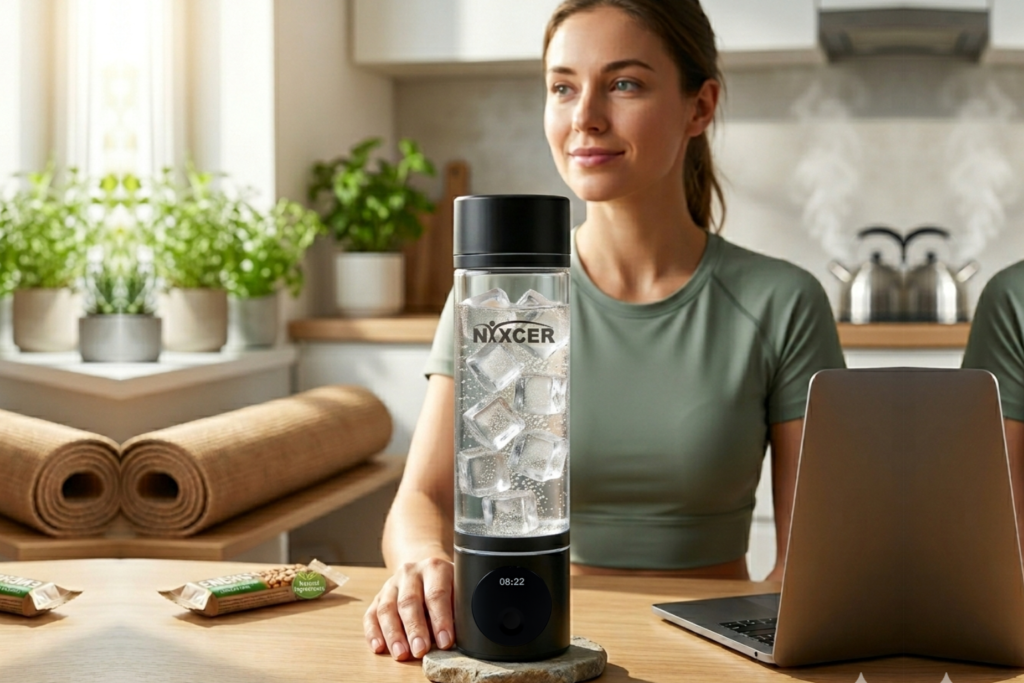
Simple & Direct Answer Many people believe that cold water hydrates the body faster than room-temperature water. However, according to scientific understanding, cold water does not significantly hydrate you faster. Your body absorbs water at nearly the same rate regardless of its temperature because it adjusts the liquid to core body temperature before distributing it throughout the body. That said, if you are looking for more than basic hydration, products like the Nixcer Pro Hydrogen Water Bottle can enhance your water’s functional value. While cold water often feels more refreshing — especially during hot weather or after exercise — the Nixcer Portable hydrogen water bottle ensures your water is infused with molecular hydrogen for better cellular support and overall wellness. Because cold water encourages people to drink more, that increased intake can improve overall hydration—but the benefit comes from drinking more water, not from faster absorption. How the Body Absorbs Water When you drink water, it passes through the stomach and moves into the small intestine, where most absorption takes place. From there, it enters the bloodstream and travels to cells and tissues throughout the body. During this process, your body regulates the water’s temperature to match internal conditions. This means that whether the water is ice-cold or room temperature, the absorption process remains nearly identical. Hydration speed depends more on how much and how consistently you drink rather than how cold the water is. Using a Hydrogen pro water bottle by Nixcer can make hydration even more effective by improving the quality of the water you drink. When Cold Water Can Be Helpful Cold water can be beneficial in certain situations. During workouts or in hot environments, it can help cool the body slightly and make you feel more refreshed. Athletes often prefer cold water because it reduces perceived heat and encourages better fluid intake. However, while cold water may improve comfort and cooling, it does not dramatically improve hydration efficiency at the cellular level. The difference is more psychological and practical than physiological. A Pro hydrogen water bottle, like the one from Nixcer, adds real functional benefit by supporting cellular hydration and recovery, beyond what temperature alone can provide. Hydration Is More Than Just Temperature Most discussions stop at temperature, but true hydration goes deeper. It involves: That is why modern hydration discussions are shifting from “cold vs room temperature” to “water quality and functionality.” Using a Hydrogen water generator bottle such as the Nixcer Pro Hydrogen Water Bottle ensures that your water not only hydrates but also contributes to overall wellness. Standard Water vs Advanced Hydration Options Today, many people are exploring functional hydration solutions such as a Hydrogen water generator bottle, which infuses water with molecular hydrogen (H₂). Instead of changing temperature, it changes the composition of the water. Below is a simplified comparison: Factor Cold Water Room Temperature Water Hydrogen Water (Pro Hydrogen Water Bottle) Absorption Speed Nearly the same Nearly the same Nearly the same Cooling Effect Slight advantage Neutral Neutral Encourages Drinking Often yes Depends on preference Yes (due to routine use) Cellular Support Standard hydration Standard hydration May support cellular function Designed for Performance Users No No Yes As shown above, temperature does not significantly affect absorption speed. The difference comes in comfort and functional enhancement. The Nixcer Portable hydrogen water bottle ensures functional hydration while maintaining the convenience of a regular bottle. The Role of a Pro Hydrogen Water Bottle A Pro hydrogen water bottle is designed to produce higher concentrations of molecular hydrogen using advanced electrolysis technology. This approach focuses on upgrading hydration quality rather than simply adjusting temperature. For individuals who want more than just refreshing water, a Portable hydrogen water bottle can offer a convenient daily solution. These bottles are rechargeable, travel-friendly, and designed for consistent use. One example in this category is the Hydrogen pro water bottle by Nixcer, which is positioned for users who are focused on performance, recovery, and long-term wellness. Rather than debating water temperature, it aims to enhance the functional value of everyday hydration while also supporting cellular wellness. Final Conclusion Cold water does not hydrate faster in any meaningful scientific way. It may feel better and encourage greater intake, but hydration ultimately depends on consistency and total fluid consumption. If your goal is basic hydration, temperature is simply a matter of preference. But if you are looking for advanced hydration support, exploring options like the Best hydrogen water bottle category — such as the Nixcer Pro Hydrogen Water Bottle — provides a more functional approach than focusing on whether your water is cold or room temperature. Hydration is not just about temperature. It is about efficiency, consistency, and supporting your body at a deeper level — and Nixcer ensures your daily hydration works harder for you.
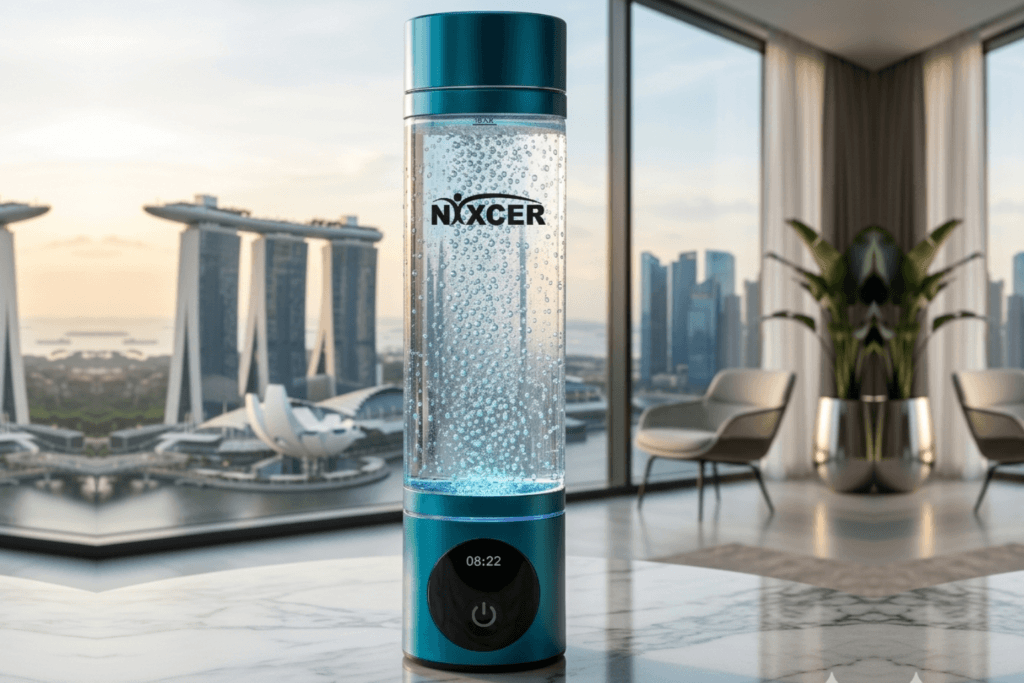
If you’ve been searching for the best hydrogen water bottle in Singapore, you’re not alone. More and more people here are turning to hydrogen-infused water as part of their daily wellness routine. But with dozens of options out there — all making bold claims — it can be hard to know which one is actually worth your money. This guide covers everything you need to know: how these bottles work, what features matter, and which pro hydrogen water bottle stands out above the rest. Our top pick is the Nixcer Pro Hydrogen Water Bottle, which delivers the highest hydrogen concentration available at 8,000 PPB — but we’ll give you the full picture so you can decide for yourself. What Is a Hydrogen Water Bottle? A hydrogen water bottle is a portable device that uses a process called electrolysis to infuse ordinary drinking water with molecular hydrogen gas (H₂). The result is hydrogen-rich water that you can drink fresh within minutes, right from the bottle. Unlike regular water, hydrogen water contains dissolved H₂ molecules — the same gas that researchers have studied for its potential antioxidant properties. You don’t need a filtration system or a countertop machine. A portable hydrogen water bottle lets you generate hydrogen water anywhere: at the gym, in the office, or while travelling. How Does a Hydrogen Water Bottle Work? The technology inside most quality hydrogen water bottles is called SPE/PEM electrolysis (Solid Polymer Electrolyte / Proton Exchange Membrane). Here’s a simple breakdown: The key metric is PPB (parts per billion) — this tells you how much hydrogen is dissolved in the water. Higher PPB generally means more antioxidant potential. Most standard bottles produce 1,500–3,000 PPB. Premium models like the Nixcer Pro reach up to 8,000 PPB. A good hydrogen water generator bottle should use a dual-chamber design so that harmful byproducts never contaminate your drinking water. This is the most important technical feature to check before buying. Key Features to Look For in 2025 When comparing hydrogen water bottles, focus on these six things: 1. PPB ConcentrationLook for at least 1,500 PPB for basic benefits. For serious wellness use, 3,000–5,000 PPB is the mid-range. The Nixcer Pro’s 8,000 PPB is currently the highest available in a portable bottle. 2. SPE/PEM TechnologyThis is non-negotiable. Bottles without a proper PEM membrane may produce ozone or chlorine byproducts in your water. Always confirm this is present. 3. Electrode MaterialPlatinum-coated titanium electrodes are the gold standard. They resist corrosion, last longer, and produce purer hydrogen. 4. Battery & ChargingA good battery should last multiple cycles per charge. USB-C charging is more convenient than older Micro-USB designs. 5. Materials & Safety CertificationYour bottle should be BPA-free and made from food-grade materials. Certifications like CE and RoHS are strong indicators of safety compliance. 6. Capacity & PortabilityMost portable hydrogen water bottles hold between 280ml and 380ml. This is enough for one to two servings. Smaller is more portable; some users carry a larger regular bottle and use the generator as an attachment. Health Benefits of Hydrogen Water It’s important to be upfront: research on hydrogen water is still developing. Many studies are promising, but most are early-stage. Here is what the existing science suggests: Antioxidant EffectMolecular hydrogen (H₂) is the smallest antioxidant known. Its tiny size lets it pass through cell membranes and reach areas larger antioxidants cannot. It may help neutralise harmful free radicals that contribute to oxidative stress. Post-Exercise RecoverySeveral studies have looked at hydrogen water’s effect on exercise-induced oxidative stress and lactic acid. Some athletes report faster recovery and reduced muscle fatigue when drinking hydrogen water before or after workouts. Cellular HydrationH₂ molecules are small enough to permeate cell membranes, which may support more efficient hydration at the cellular level compared to regular water. Anti-Inflammatory PotentialResearch published in peer-reviewed journals has explored hydrogen’s role in reducing markers of inflammation, which is linked to chronic conditions like diabetes and heart disease. Skin & AgeingSome users report improved skin quality and reduced signs of oxidative ageing over time, though this is mostly anecdotal. Important note: Hydrogen water is not medicine. It is not a cure for any disease. The benefits above are based on preliminary research and user reports. Always consult a doctor for medical advice. Best Hydrogen Water Bottles in Singapore (2025) 🥇 #1 Nixcer Pro Hydrogen Water Bottle — Best Overall The Nixcer Pro is our top recommendation for anyone who wants the most advanced portable hydrogen water bottle available. It leads the market in hydrogen concentration and packs a strong set of features into a sleek, portable design. Why it’s #1: Price: $89.99 USD on nixcer.com | Also on Amazon at $65.79Use code Nixcer26 for 26% off on the official site. 👉 View the Nixcer Pro Hydrogen Water Bottle Feature Nixcer Pro Olansi H8 H2Goodness Indulge A2 Energy Max PPB 8,000 PPB 5,000 PPB ~3,000 PPB 3,000 PPB Technology SPE/PEM Dual-chamber DuPont N117 PEM PEM (US membrane) SPE/PEM Modes 5 min / 10 min 5 min / 10 min Single mode 5 min / 10 min H₂ Inhalation ✅ Yes ✅ Yes ❌ No ❌ No Battery 1,600mAh USB-C Not specified Not specified Not specified Certifications CE + RoHS Not listed SG-certified None listed Capacity 350ml 280ml ~300ml ~350ml BPA-Free ✅ Yes ✅ Yes ✅ Yes ✅ Yes Available in SG Ships from US ✅ Local ✅ Local ✅ Online Price (approx. SGD) ~$90–120 ~$180–220 ~$150–200 ~$60–90 Verdict: For pure hydrogen output and technology, the Nixcer Pro wins by a clear margin. Local options like H2Goodness are better if Singapore certification or in-person support matters most to you. Who Should Buy a Hydrogen Water Bottle? A hydrogen water bottle — especially the Nixcer Pro — makes the most sense for: Who It’s NOT For To be fair and useful, here’s when a hydrogen water bottle may not be the right choice: Buying Guide: How to Choose the Right Hydrogen Water Bottle in Singapore Step 1: Decide on Your PPB Target For general wellness and daily hydration: 1,500–3,000
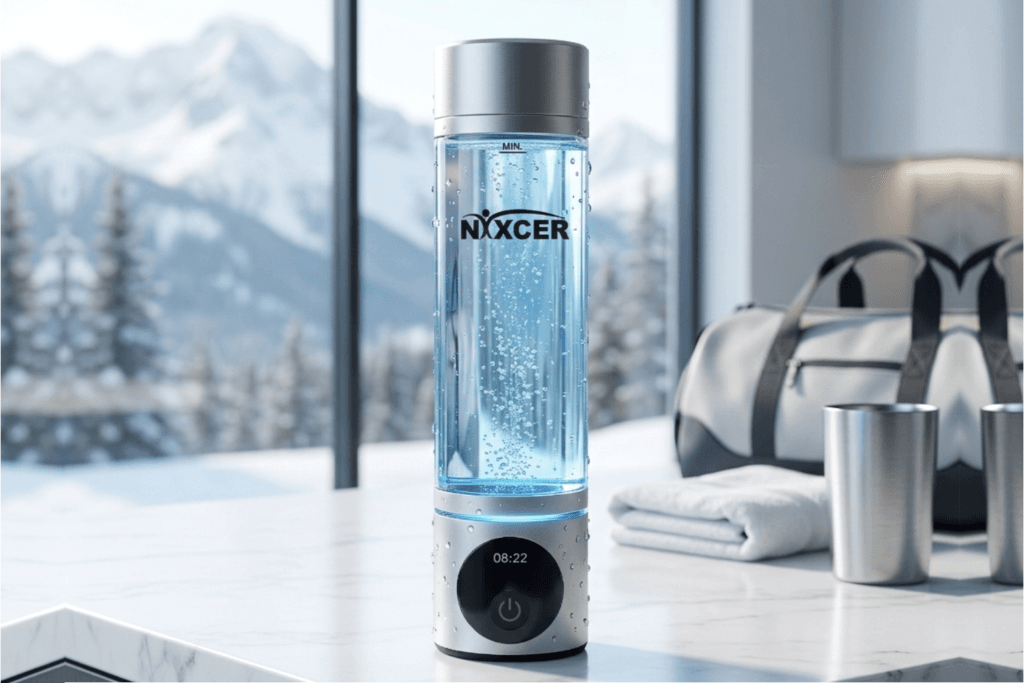
Hydrogen water bottles are one of the fastest-growing wellness products in Canada right now. Whether you’re an athlete trying to recover faster, a biohacker chasing peak performance, or simply someone who wants to drink cleaner, healthier water every day — a portable hydrogen water generator bottle can make a real difference. But here’s the problem: the market is flooded with options. Prices range from $40 to $300+. Some bottles produce barely any hydrogen. Others use outdated technology. And most review sites don’t test Canada-specific availability, shipping, or pricing. This guide cuts through the noise. We analyzed the top hydrogen water bottles available to Canadian buyers, tested the specs, and identified one clear standout for value and performance: the Nixcer Pro Hydrogen Water Bottle — a portable hydrogen water generator bottle with up to 8,000 PPB output, dual delivery modes, and direct shipping to Canada. Here’s everything you need to know before you buy. What Is a Hydrogen Water Bottle? A hydrogen water bottle — also called a hydrogen water generator bottle or hydrogen pro water bottle — is a device that uses electrolysis to infuse your regular drinking water with molecular hydrogen (H₂). The result is hydrogen-rich water that you drink directly from the bottle. Molecular hydrogen is the smallest molecule in existence. Because it’s so tiny, it can pass through cell walls and may reach areas of the body that larger antioxidant molecules cannot. This is why researchers are studying its potential to reduce oxidative stress, support recovery, and improve energy levels. A hydrogen water bottle is NOT the same as: The key metric to look for is PPB (parts per billion) — this is how much molecular hydrogen is actually dissolved in your water. Higher PPB generally means more potential benefit. How Hydrogen Water Bottles Work: The Technology Explained The best hydrogen water bottles use a technology called SPE/PEM electrolysis. Here’s what that means in plain terms: When you press the button on a quality hydrogen water bottle, the device: Cheaper bottles skip proper venting. This means unwanted gases like ozone end up in your water — which defeats the whole purpose and can actually be harmful. Always look for bottles with a proper dual-chamber venting system. Why PPB Concentration Matters PPB (parts per billion) is the most important number when comparing hydrogen water bottles. It measures how much molecular hydrogen (H₂) is actually dissolved in your water after a generation cycle. PPB Range Classification Who It’s For Under 1,000 PPB Entry-level Casual users, first-timers 1,000–3,000 PPB Mid-range Daily wellness users 3,000–5,000 PPB High concentration Athletes, fitness-focused users 5,000–8,000+ PPB Premium / therapeutic Biohackers, advanced users, inhalation users Important caveat: PPB claims on product packaging are not always independently verified. Whenever possible, look for bottles with third-party lab testing or verifiable certifications. The Nixcer Pro uses platinum-coated SPE/PEM technology — platinum is considered the gold standard electrode material for efficient, pure hydrogen generation. Also note: hydrogen gas leaves water quickly. You should drink hydrogen water within 30–60 minutes of generation for maximum benefit. Nixcer Pro Hydrogen Water Bottle: Full Review The Nixcer Pro is an advanced hydrogen pro water bottle engineered for people who take their hydration seriously. Here’s everything you need to know. Key Specifications at a Glance Feature Nixcer Pro Spec Hydrogen Output Up to 8,000 PPB (8 ppm) Technology Platinum-coated SPE/PEM dual-chamber Generation Modes Mode 1: 5 min / 4,000 PPB | Mode 2: 10 min / 8,000 PPB Inhalation Mode Yes — nasal inhalation tube included Battery 1600 mAh, C to C type rechargeable, ~13 cycles/charge Charge Time ~2 hours to full charge Capacity 350 ml Materials BPA-free Tritan™, platinum electrode Certifications CE certified, RoHS certified Lid Design Leak-proof 360° lid Colors Silver, Black, Turquoise Price $89.99 USD / available on Amazon at $65.79 Discount Code NIXCER26 = 26% off on nixcer.com Ships to Canada Yes (international shipping) Feature Deep Dive 1. Industry-Leading 8,000 PPB Output Most portable hydrogen water bottles cap out at 1,500–4,100 PPB. The Nixcer Pro delivers up to 8,000 PPB in its 10-minute deep cycle — that’s nearly double the output of many popular competitors. Even in its quick 5-minute mode, it hits 4,000 PPB, which is already above average. This matters because higher PPB means more molecular hydrogen dissolved in your water — and more potential antioxidant activity per serving. 2. Platinum-Coated SPE/PEM Dual-Chamber Technology The Nixcer Pro’s electrolysis chamber is platinum-coated — the highest-grade electrode material used in hydrogen water technology. Platinum resists corrosion and produces purer hydrogen output than cheaper titanium or basic steel electrodes. The dual-chamber design safely vents oxygen, ozone, and chlorine away from your drinking water, ensuring you only get clean, pure molecular hydrogen in every serving. 3. Dual Delivery: Drink Mode + Nasal Inhalation This is one of the Nixcer Pro’s biggest differentiators. Most portable hydrogen water generator bottles only let you drink the hydrogen-rich water. The Nixcer Pro also includes a nasal inhalation tube so you can inhale hydrogen gas directly. Hydrogen inhalation studies suggest this method may offer faster delivery to the bloodstream compared to drinking. It’s a feature typically only found on medical-grade or high-end devices — having it in a portable bottle at this price point is rare. 4. 13 Cycles Per Charge A 1600 mAh USB-C battery powers up to 13 full cycles on a single charge — significantly more than many competitors. This means you can go multiple days between charges under normal use (1–3 cycles per day). Charging takes about 2 hours, and the USB-C port makes it compatible with most modern chargers. 5. Safe, Certified Materials The bottle is made from BPA-free Tritan™ plastic — the same food-grade material used in premium reusable bottles. CE certification confirms it meets European safety standards. RoHS certification confirms it’s free from hazardous substances. These certifications matter because cheaper hydrogen bottles are often made from unknown plastics with no third-party safety verification. 6. Practical Everyday Design The 360° leak-proof lid means no accidental spills in your gym bag
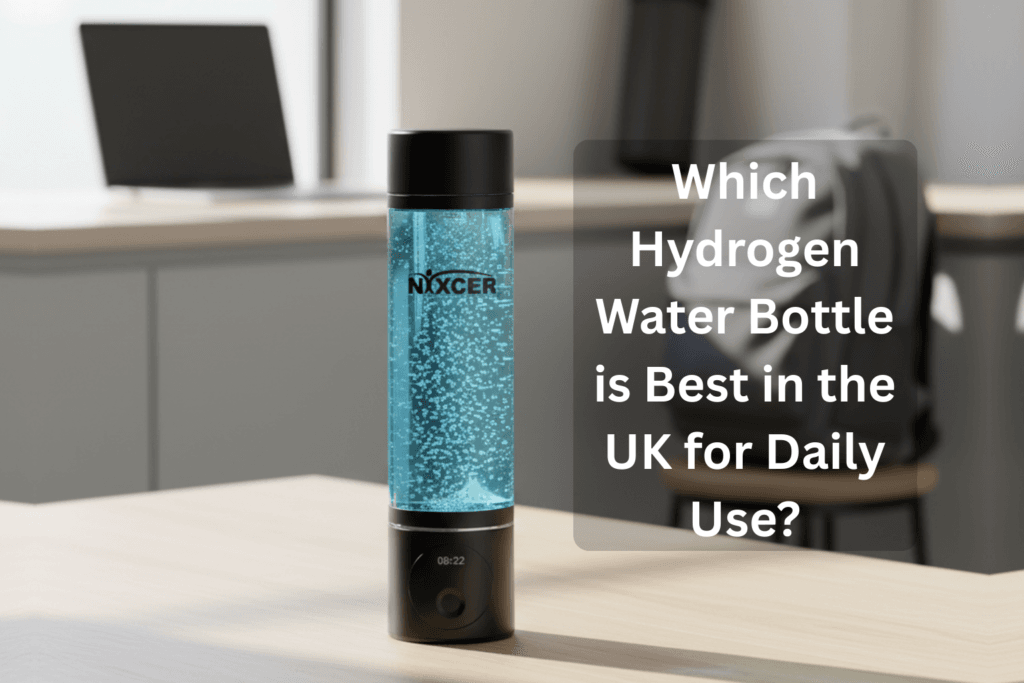
Choosing the best hydrogen water bottle in the UK for daily use depends on hydrogen concentration, safety technology, build quality, portability, and reliability. The best bottles use advanced SPE/PEM electrolysis technology to generate molecular hydrogen quickly and safely, improving hydration convenience without ongoing costs. Among the available options, the Nixcer Pro Hydrogen Water Bottle stands out due to its high hydrogen output, portable design, and suitability for daily hydration, travel, and fitness routines. This guide explains how hydrogen water bottles work, compares top features, and helps you decide which bottle is best for everyday use in the UK. What Is a Hydrogen Water Bottle? A hydrogen water bottle is a portable device that uses electrolysis to infuse molecular hydrogen gas into drinking water. This process creates hydrogen-rich water, which can be consumed immediately after generation for optimal effectiveness. Unlike regular bottles, hydrogen water bottles include: These bottles allow users to generate hydrogen water anytime, making them ideal for daily use. How Hydrogen Water Bottles Work Hydrogen bottles use SPE (Solid Polymer Electrolyte) and PEM (Proton Exchange Membrane) technology to separate hydrogen and oxygen safely. This ensures only pure hydrogen dissolves in water while unwanted gases are vented out. Step-by-Step Process Hydrogen naturally escapes quickly, so fresh generation ensures best concentration. Key Features to Look for in the Best Hydrogen Water Bottle Based on competitor analysis and UK buyer guides, these are the most important features: 1. Hydrogen Concentration (PPB Level) Higher PPB (parts per billion) means stronger hydrogen saturation. Typical ranges in UK bottles: Level Performance 800–1500 PPB Basic 1600–3000 PPB Good 3000–8000 PPB Excellent High-concentration bottles provide faster hydrogen delivery. 2. SPE/PEM Technology This is the safest and most reliable electrolysis method. It ensures: Most premium bottles use this technology. 3. Battery Life and Charging A good daily-use bottle should offer: This ensures convenience for home, office, or travel. 4. Build Quality and Safety Best bottles use: Food-grade materials ensure safe daily use. Benefits of Using a Hydrogen Water Bottle Daily Hydrogen water bottles offer convenience and portability, making it easy to improve hydration habits. Common Benefits Hydrogen bottles eliminate the need for supplements or pre-packaged drinks. Why the Nixcer Pro Hydrogen Water Bottle Stands Out The Nixcer Pro Hydrogen Water Bottle is designed specifically for daily use and portability. Key Features Best For Comparison: Nixcer vs Typical Hydrogen Water Bottles in UK Feature Nixcer Pro Typical UK Bottles Hydrogen concentration High Medium Portability Excellent Good Daily usability Excellent Good Charging Rechargeable Rechargeable Ease of use Simple Simple Travel suitability Excellent Moderate Nixcer provides strong overall performance for daily users. Who Should Buy a Hydrogen Water Bottle? Hydrogen bottles are ideal for: Recommended Users Portable design makes them practical for everyday use. Who Should Not Buy One These bottles may not be necessary for: Buying Guide: How to Choose the Best Hydrogen Water Bottle in the UK Use this checklist: Must-Have Features Nice-to-Have Features These features ensure long-term usability. Pros and Cons of Hydrogen Water Bottles Pros Cons Alternatives to Hydrogen Water Bottles Alternatives include: Portable bottles remain the most convenient option for daily use. FAQs. Which hydrogen water bottle is best in the UK? The best hydrogen water bottle offers high hydrogen concentration, SPE/PEM technology, portability, and reliability. The Nixcer Pro Hydrogen Water Bottle is a strong option for daily use. Is hydrogen water bottle safe for daily use? Yes. Hydrogen water bottles use food-grade materials and safe electrolysis technology. How often should I use a hydrogen water bottle? Most users generate hydrogen water 1–3 times daily depending on hydration needs. Are hydrogen water bottles worth it? They are useful for users who want portable hydrogen water generation without ongoing costs. Final Verdict: Best Hydrogen Water Bottle for Daily Use in the UK The best hydrogen water bottle should be reliable, portable, and capable of producing high hydrogen concentration consistently. The Nixcer Pro Hydrogen Water Bottle is an excellent choice for daily use because it offers strong performance, portability, and convenience. It is especially suitable for: For users in the UK looking for a reliable hydrogen water bottle for everyday use, Nixcer Pro is one of the best overall options available