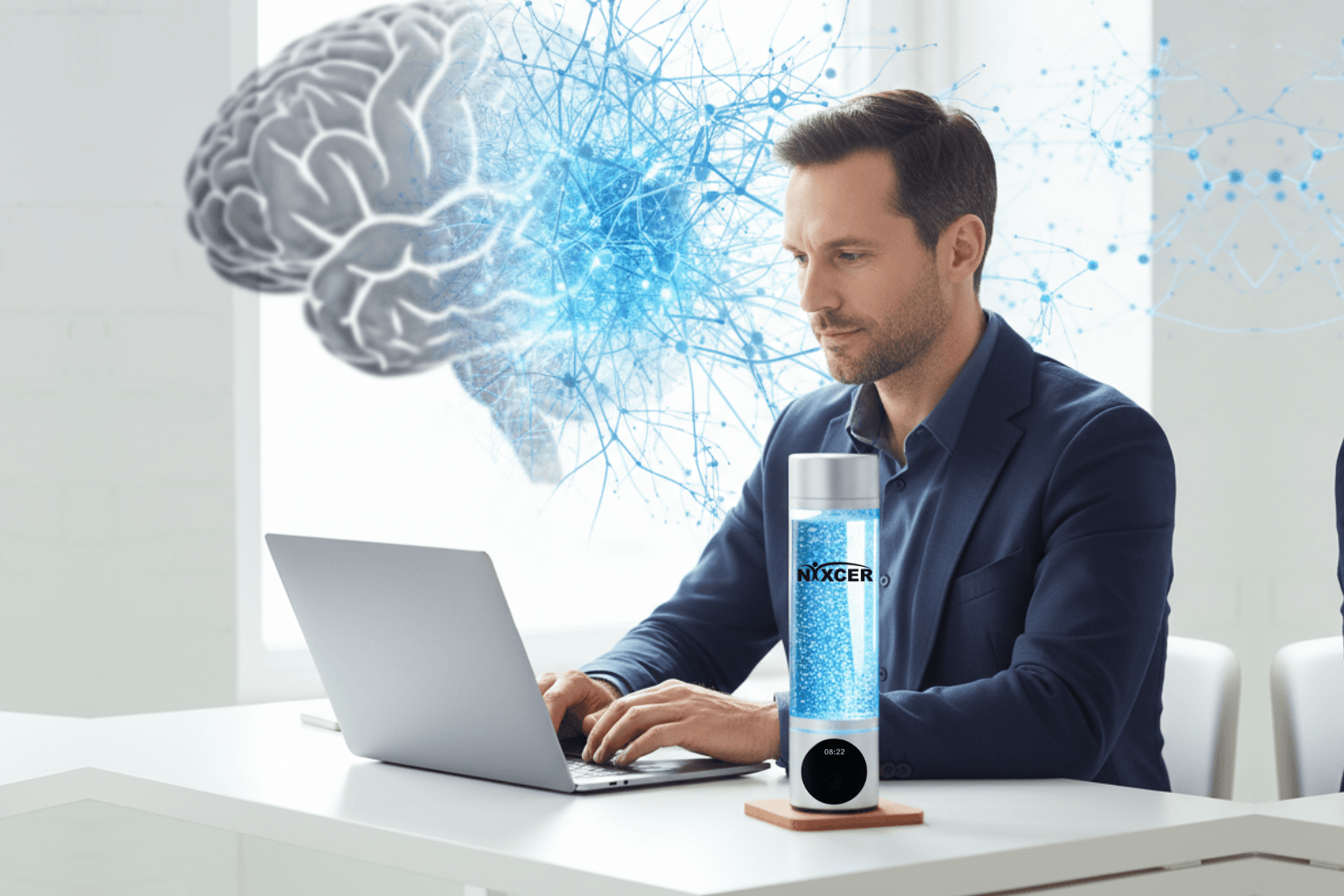
Ever find yourself staring blankly at your computer screen, unable to focus on a simple task? You reread the same paragraph three times but can’t retain a single word. Your thoughts feel sluggish, like you’re thinking through molasses. Simple decisions become surprisingly difficult. If this sounds familiar, you might be experiencing brain fog—and the culprit could be simpler than you think.
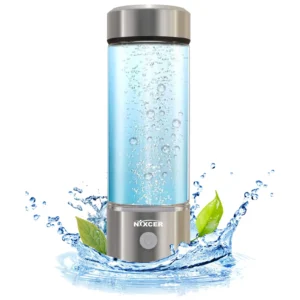
While stress, poor sleep, and dietary factors often get blamed for mental cloudiness, there’s an overlooked cause that affects millions daily: dehydration. The connection between inadequate water intake and cognitive function is backed by substantial research, yet most people don’t realize their mental fog could disappear with better hydration. Even more intriguing, emerging science suggests that not all water is created equal when it comes to brain health. Hydrogen-enriched water, particularly from advanced systems like the Nixcer Pro hydrogen water bottle, may offer superior cognitive benefits compared to regular water.
This comprehensive guide explores the scientific relationship between dehydration and brain fog, explains exactly how water deficiency impairs mental performance, and reveals how molecular hydrogen can take your cognitive clarity to the next level.
What Is Brain Fog? Understanding the Mental Cloudiness
Brain fog isn’t a formal medical diagnosis you’ll find in a doctor’s handbook. Instead, it’s a descriptive term that captures a constellation of cognitive symptoms affecting mental sharpness and clarity. Think of it as your brain operating on low battery mode—everything still technically works, but performance is noticeably diminished.
The hallmark symptoms of brain fog include difficulty concentrating on tasks, memory lapses (especially short-term memory), slower mental processing speeds, mental fatigue even after rest, and a general sense of confusion or disorientation. People experiencing brain fog often describe feeling like their thoughts are “cloudy” or “fuzzy,” making it harder to articulate ideas or follow complex conversations.
What makes brain fog particularly frustrating is its ability to impact daily functioning across all areas of life. Students struggle to absorb lecture material. Professionals miss important details in meetings. Parents forget simple tasks. Athletes can’t maintain focus during competition. The cognitive impairment isn’t severe enough to be obviously concerning, yet it’s significant enough to diminish quality of life and performance.
Understanding brain fog matters because it’s often a symptom pointing to an underlying issue rather than a condition itself. While many factors can contribute—including hormonal changes, nutritional deficiencies, sleep deprivation, chronic stress, or medical conditions—dehydration stands out as one of the most common yet easily overlooked causes. The good news? Unlike some causes of brain fog that require complex interventions, dehydration-related mental cloudiness can often be resolved simply by optimizing your hydration strategy.
The Dehydration-Brain Fog Connection: What Science Tells Us
Your brain is incredibly thirsty—literally. Approximately 73-75% of brain tissue consists of water, making it one of the body’s most water-dependent organs. Some research suggests the percentage may be even higher, reaching up to 85% in certain brain regions. This high water content isn’t coincidental; every cognitive function depends on adequate hydration.
The relationship between water and brain function is remarkably sensitive. Scientific research consistently demonstrates that you don’t need severe dehydration to experience cognitive impairment. Studies show that losing just 1-2% of your body’s water content can trigger a 5% decrease in cognitive function. For perspective, a 150-pound person only needs to lose about 1.5-3 pounds of water weight to hit this threshold—often before they even feel thirsty.
A groundbreaking study published in the British Journal of Nutrition found that mild dehydration significantly impaired both mood and cognitive performance in young adults. Participants experienced increased fatigue, confusion, and tension when dehydrated by as little as 1.4% body mass. Another research paper in Physiology & Behavior demonstrated that even minor fluid loss negatively affected working memory, attention, and concentration.
The distinction between short-term and chronic dehydration is crucial. Short-term dehydration causes temporary cognitive symptoms that typically reverse within 15-30 minutes of rehydration. Multiple studies confirm that drinking water rapidly improves cognitive function when you’re mildly dehydrated. However, chronic dehydration—consistently not drinking enough water over days, weeks, or months—poses more serious risks.
Long-term fluid deficiency can actually alter brain structure. Brain imaging studies reveal that chronic dehydration can reduce brain volume and increase the space between the brain and skull. Research published in the journal Human Brain Mapping found that prolonged dehydration was associated with reduced gray matter volume and neuronal shrinkage. While the brain can often recover with proper rehydration, persistent neglect may make these changes harder to reverse, particularly in aging populations.
The science is clear: your brain needs water to function optimally, and even mild dehydration can significantly impair the mental clarity you need for daily life.
How Dehydration Impacts Your Brain: The Mechanisms
Understanding the specific mechanisms through which dehydration disrupts brain function helps explain why proper hydration is so critical for mental performance. Several interconnected processes contribute to dehydration-induced brain fog:
Reduced Blood Flow and Oxygen Delivery: When you’re dehydrated, your blood volume decreases. Blood literally becomes thicker and flows less efficiently through vessels. This reduced circulation means less oxygen and fewer nutrients reach your brain cells. The brain consumes approximately 20% of the body’s oxygen supply despite representing only 2% of body weight, making it extremely sensitive to any reduction in blood flow. Decreased cerebral blood flow directly impairs cognitive processing speed, attention, and decision-making abilities.
Electrolyte Imbalances: Water doesn’t work alone in your body—it partners with electrolytes like sodium, potassium, magnesium, and calcium to regulate cellular function. These electrically charged minerals are essential for nerve signal transmission and neurotransmitter function. Dehydration disrupts the delicate electrolyte balance your brain depends on, interfering with the electrical signals between neurons. This interference manifests as slower thinking, difficulty concentrating, and impaired memory formation.
Neurotransmitter Disruption: Your brain’s chemical messengers—neurotransmitters like serotonin, dopamine, and acetylcholine—require adequate hydration to be produced, released, and function properly. Dehydration can reduce the availability of amino acid precursors needed to synthesize these crucial chemicals. Lower neurotransmitter levels contribute to mood changes, reduced motivation, impaired memory consolidation, and decreased mental energy.
Increased Stress Hormones: Dehydration triggers a physiological stress response, elevating cortisol levels. Chronic elevation of cortisol impairs cognitive function, particularly in areas related to memory and executive functioning. High cortisol also interferes with the production of “happy hormones” like serotonin and dopamine, creating a cascade effect that worsens both mood and mental clarity.
Brain Cell Shrinkage: When fluid levels drop, individual brain cells actually shrink in size. This cellular dehydration makes neurons less efficient at conducting electrical signals and processing information. Brain scans have confirmed that dehydration causes measurable changes in brain structure, with cells becoming compressed and less effective at their fundamental functions.
Impaired Waste Removal: Your brain has a waste clearance system called the glymphatic system that removes metabolic byproducts and toxins. This system is highly dependent on adequate fluid levels. Dehydration impairs glymphatic function, allowing toxic metabolites to accumulate in brain tissue, potentially contributing to mental fog and cognitive sluggishness.
Energy Production Disruption: Brain cells require enormous amounts of energy to function. Adequate hydration is essential for mitochondria—the cellular powerhouses—to produce ATP (adenosine triphosphate), the energy currency of cells. Dehydration impairs mitochondrial efficiency, resulting in reduced energy availability for cognitive processes, which manifests as mental fatigue and difficulty sustaining attention.
These mechanisms don’t operate in isolation; they interact and compound each other. The result is a perfect storm of cognitive impairment that we recognize as brain fog—all stemming from something as seemingly simple as not drinking enough water.
10 Warning Signs of Dehydration-Induced Brain Fog
Recognizing dehydration brain fog early allows you to address it before it significantly impacts your day. Here are the ten most common warning signs:
1. Difficulty Focusing and Concentration Issues: You struggle to maintain attention on tasks that normally wouldn’t challenge you. Your mind wanders frequently, and you find it exhausting to sustain mental effort. This is often one of the earliest cognitive symptoms of dehydration.
2. Memory Lapses and Forgetfulness: You forget where you put your keys, miss appointments, or can’t recall conversations from earlier in the day. Short-term memory is particularly vulnerable to dehydration, with research showing measurable impairment at just 2% fluid loss.
3. Slower Mental Processing Speed: Tasks take longer than they should. You read slowly, struggle to formulate responses, and feel like your thoughts are moving through mud. Decision-making becomes labored and time-consuming.
4. Mental Fatigue and Exhaustion: You feel mentally drained despite adequate sleep. Your brain feels “tired” in a way that’s distinct from physical fatigue. Cognitive tasks that normally energize you instead leave you depleted.
5. Confusion or Disorientation: You experience moments of mild confusion about simple things. You might walk into a room and forget why you’re there, lose your train of thought mid-sentence, or feel temporarily disoriented in familiar environments.
6. Mood Changes and Irritability: Dehydration doesn’t just affect cognition; it impacts emotional regulation. You become more irritable, anxious, or emotionally reactive than usual. Small frustrations feel overwhelming, and you may experience unexplained sadness or anxiety.
7. Headaches: Dehydration headaches typically manifest as dull, persistent pain across the forehead or throughout the entire head. These headaches worsen with movement and often accompany other symptoms of brain fog.
8. Physical Symptoms as Cognitive Clues: While primarily cognitive, brain fog rarely appears without physical warning signs. Dark yellow urine, dry mouth, reduced urination frequency, dry skin, and sunken eyes all suggest dehydration may be affecting your mental function.
9. Timing Patterns and Triggers: Pay attention to when brain fog worsens. Symptoms that intensify as the day progresses, particularly in the afternoon, often indicate cumulative dehydration. Brain fog that appears or worsens after physical activity, during hot weather, after air travel, or in heated indoor environments suggests fluid loss as a contributing factor.
10. Rapid Improvement After Hydration: If drinking water noticeably improves your mental clarity within 15-30 minutes, this strongly suggests dehydration was the culprit. This rapid response to rehydration is a distinguishing feature of dehydration-related brain fog versus other causes.
Who’s Most at Risk? Certain populations are particularly vulnerable to dehydration brain fog: older adults (whose thirst sensation declines with age), children (who have higher water needs relative to body weight), athletes and physically active individuals, people taking diuretic medications, those in hot climates, and individuals with diabetes or kidney conditions. If you fall into any of these categories, vigilance about hydration is especially important.
Beyond Brain Fog: Other Mental Health Effects of Dehydration
While brain fog is one of the most recognizable cognitive symptoms of dehydration, inadequate fluid intake affects mental health in broader, sometimes surprising ways:
Anxiety and the Fight-or-Flight Response: Dehydration triggers a stress response in your body, activating the sympathetic nervous system and putting you into “fight-or-flight” mode. This physiological state causes rapid heartbeat, shallow breathing, muscle tension, and sweating—symptoms identical to anxiety. You might not be anxious mentally, but your body feels anxious, which creates real psychological distress and can trigger genuine anxiety in susceptible individuals.
Depression and Mood Disorders: Research has found associations between inadequate water intake and higher rates of depression and suicidal ideation. While water isn’t a cure for clinical depression, chronic dehydration can worsen mood symptoms by disrupting neurotransmitter balance, particularly serotonin and dopamine. Studies show that increasing water intake improves mood in people who habitually drink less than recommended amounts.
Sleep Quality Disruption: Dehydration creates a paradoxical sleep problem. Being dehydrated makes it harder to fall asleep and reduces sleep quality, as your body can’t properly regulate temperature and your mouth and throat become uncomfortably dry. However, fear of nighttime bathroom trips also prevents people from drinking adequate water before bed. The solution is to frontload hydration earlier in the day and taper intake in the two hours before sleep.
Hormonal Imbalances: Dehydration elevates cortisol (the stress hormone) while simultaneously reducing production of mood-supporting hormones and neurotransmitters. This hormonal disruption affects not just mood but also sleep cycles, appetite regulation, energy levels, and cognitive function. The interconnected nature of these systems means dehydration’s effects cascade throughout your mental and physical health.
Long-Term Cognitive Decline Risks: Perhaps most concerning, chronic dehydration may increase the risk of neurodegenerative conditions. A study of over 1,000 adults aged 65 and older found that dehydrated individuals were at higher risk for developing dementia. Research suggests dehydration may accelerate cognitive decline in people already showing signs of dementia. The mechanisms likely involve chronic oxidative stress, impaired waste clearance from brain tissue, and repeated episodes of reduced cerebral blood flow. While more research is needed, these findings emphasize the importance of lifelong hydration habits for brain health.
The mental health implications of dehydration extend far beyond temporary brain fog, affecting mood, stress levels, sleep quality, and potentially long-term cognitive health.
Traditional Solutions: Staying Hydrated to Prevent Brain Fog
Before exploring advanced hydration solutions like hydrogen water, let’s establish the foundation: basic hydration practices that everyone should implement.
Daily Water Intake Recommendations: General guidelines suggest women should consume 2 to 2.7 liters (8-11 cups) of total fluids daily, while men should aim for 2.5 to 3.7 liters (10-15 cups). However, individual needs vary significantly based on body size, activity level, climate, health conditions, and medications. Rather than fixating on exact measurements, focus on consistent intake throughout the day.
Strategic Timing Matters: Frontload your hydration by drinking a large glass (16 oz) of water first thing in the morning to rehydrate after overnight fluid loss. Distribute water intake evenly throughout the day rather than drinking large amounts at once (which can lead to bathroom urgency without optimal cellular hydration). Drink water before, during, and after exercise. Hydrate before you feel thirsty, as thirst is actually a late-stage dehydration signal.
Electrolyte Balance Is Crucial: Water doesn’t work effectively without electrolytes. These minerals help your cells actually absorb and utilize water rather than just flushing it through your system. Natural sources of electrolytes include coconut water, watermelon, cucumbers, celery, bananas, oranges, and a pinch of high-quality sea salt in your water. For athletes or those sweating heavily, electrolyte supplements or specialized drinks may be beneficial, though watch for added sugars.
Hydrating Foods Support Fluid Intake: About 20% of your daily fluid intake typically comes from food. Water-rich foods include cucumbers (96% water), celery (95%), watermelon (92%), strawberries (91%), cantaloupe (90%), lettuce (95%), zucchini (94%), and tomatoes (94%). Incorporating these foods provides both hydration and essential nutrients.
Monitoring Your Hydration Status: Your urine color is the most accessible hydration indicator. Pale yellow or light straw-colored urine suggests good hydration, while dark yellow or amber indicates you need more fluids. Other monitoring methods include tracking urination frequency (6-7 times daily is normal), noting physical symptoms, and paying attention to cognitive performance patterns throughout the day.
Limitations of Traditional Water for Brain Health: While regular water effectively prevents dehydration and supports basic brain function, it has limitations. Standard water provides no antioxidant properties to combat oxidative stress (a major contributor to brain fog and cognitive decline). It doesn’t directly address inflammation, which plays a significant role in mental clarity issues. Traditional hydration doesn’t specifically support mitochondrial function or provide neuroprotective benefits. This is where hydrogen-enriched water enters the conversation, offering benefits that extend beyond basic hydration.
Hydrogen Water: A Superior Solution for Brain Health
Hydrogen water represents a significant advancement in optimizing hydration for cognitive function. But what exactly is it, and what does science say about its brain health benefits?
What Is Hydrogen Water? Hydrogen water is regular water infused with molecular hydrogen (H₂) gas. Molecular hydrogen is the smallest molecule in existence, consisting of just two hydrogen atoms bonded together. This tiny size gives it remarkable properties: it easily crosses cell membranes, penetrates the blood-brain barrier (which normally blocks most substances from entering brain tissue), and reaches cellular compartments including mitochondria where energy is produced.
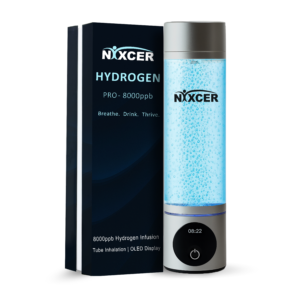
Unlike the hydrogen already present in H₂O water molecules, dissolved molecular hydrogen acts as a therapeutic gas with unique biological activities. The best hydrogen water bottles, like the Nixcer Pro hydrogen water bottle, can generate concentrations of 3000-8000 PPB (parts per billion), providing therapeutic doses with each serving.
How Molecular Hydrogen Works as a Selective Antioxidant: What makes hydrogen remarkable is its selective antioxidant property. Unlike many antioxidants that neutralize both harmful and beneficial reactive oxygen species (ROS), molecular hydrogen selectively targets only the most toxic free radicals—particularly hydroxyl radicals (•OH), the most damaging ROS in biological systems. This selectivity is crucial because some ROS actually serve important signaling functions; indiscriminately eliminating all ROS can interfere with normal cellular processes.
Hydroxyl radicals cause severe oxidative damage to DNA, proteins, and lipids, including those in brain cells. By specifically neutralizing these harmful molecules while leaving beneficial ROS intact, hydrogen provides powerful neuroprotective effects without disrupting normal cellular function.
Scientific Research on Hydrogen Water and Cognition: A growing body of research supports hydrogen water’s cognitive benefits. A landmark study published in the Journal of Clinical Biochemistry and Nutrition demonstrated that drinking hydrogen water for 30 days prevented age-related cognitive decline in senescence-accelerated mice. The hydrogen-treated mice showed improved performance on water maze tests (measuring spatial memory and learning), increased brain serotonin levels, and elevated serum antioxidant activity. After 18 weeks, hydrogen water inhibited neurodegeneration in the hippocampus—the brain region critical for memory formation.
Human studies are equally promising. Research published in Food Science & Nutrition found that a single dose of hydrogen-rich water significantly improved alertness in sleep-deprived young adults. Participants showed less time needed to complete trail-making tests (measuring processing speed and cognitive flexibility) and fewer errors on symbol digit modalities tests (assessing attention and psychomotor speed). These improvements appeared within just 15 minutes of consuming hydrogen water.
The brain metabolism changes are measurable. The same study showed hydrogen water increased the choline-to-creatine ratio in frontal and paracentral brain regions. Choline is a marker of cellular membrane integrity and neuronal health, while alterations in this ratio correlate with cognitive performance. This suggests hydrogen water doesn’t just subjectively improve how people feel—it creates objectively measurable changes in brain biochemistry.
A 6-month randomized controlled trial in Japan found that older adults consuming 1 liter of natural reduced water (hydrogen-rich water) daily showed significant improvements in attention function and short-term memory compared to controls. These results indicate benefits extend beyond acute effects to sustained cognitive enhancement with regular consumption.
Neuroprotective Mechanisms of Hydrogen Water: Hydrogen water supports brain health through multiple pathways. It reduces oxidative stress by neutralizing toxic free radicals that damage neurons. This protection is particularly important in the brain, which is highly susceptible to oxidative damage due to its high oxygen consumption and lipid-rich environment.
The anti-inflammatory effects are significant. Chronic inflammation in the brain contributes to cognitive decline, brain fog, and neurodegenerative diseases. Hydrogen water has been shown to reduce pro-inflammatory cytokines and suppress neuroinflammation, creating a healthier environment for optimal brain function.
Perhaps most importantly, hydrogen supports mitochondrial function. Mitochondria are the energy powerhouses of cells, and brain cells have especially high energy demands. Research demonstrates that hydrogen enhances mitochondrial efficiency, protects mitochondrial membranes from oxidative damage, and supports ATP (cellular energy) production. Better mitochondrial function translates directly to improved mental energy, reduced brain fog, and enhanced cognitive performance.
Studies also suggest hydrogen water may prevent synaptic loss, support neurotransmitter balance, improve cerebrovascular function (blood flow to the brain), and activate neuroprotective genes. The combination of these mechanisms makes hydrogen water a comprehensive approach to brain health that goes far beyond simple hydration.
Why the Nixcer Pro Hydrogen Water Bottle Stands Out
With the growing interest in hydrogen water, numerous products have flooded the market. However, not all hydrogen water bottles deliver equivalent benefits. The Nixcer Pro Hydrogen Water Bottle distinguishes itself through superior technology, remarkable performance, and practical design.
Industry-Leading 8000PPB Hydrogen Concentration: The Nixcer Pro’s most impressive feature is its ability to generate up to 8000 parts per billion (PPB) of dissolved hydrogen—equivalent to 8.0 parts per million (PPM). This concentration is among the highest available in portable hydrogen water bottles. Why does this matter? Research suggests a minimum concentration of 1000-1600 PPB is needed for therapeutic benefits, with higher concentrations potentially providing more pronounced effects. The Nixcer Pro’s 8000 PPB output ensures you’re getting a genuinely therapeutic dose, not just marketing hype.
Advanced SPE/PEM Dual-Chamber Technology: The Nixcer Pro employs state-of-the-art SPE (Solid Polymer Electrolyte) and PEM (Proton Exchange Membrane) technology. This dual-chamber electrolysis system is crucial for producing pure hydrogen water. Here’s how it works: when you activate the bottle, an electrical current passes through the water, splitting H₂O molecules into hydrogen and oxygen. The SPE/PEM system separates these gases, infusing pure hydrogen into your drinking water while venting oxygen and any residual gases (like chlorine or ozone) through the bottom vent.
This separation is critical. Lower-quality hydrogen generators may leave ozone, chlorine, or excess oxygen in your water, potentially causing oxidative stress rather than reducing it. The Nixcer Pro’s dual-chamber design ensures 99.99% pure hydrogen water with no contaminating byproducts.
Platinum-Coated Membrane for Durability and Purity: The electrolysis membrane in the Nixcer Pro features platinum coating, a premium material choice. Platinum is inert, highly conductive, and extremely resistant to corrosion. This coating ensures long-lasting performance, consistent hydrogen generation, and prevents contamination from electrode degradation that can occur in inferior products.
Flexible Dual-Mode Functionality: Understanding that users have different needs and time constraints, the Nixcer Pro offers two operating modes. The 5-minute Quick Mode generates 4000 PPB of hydrogen—already a therapeutic concentration that exceeds many competitors’ maximum output. For maximum benefits, the 10-minute Deep Electrolysis Mode produces the full 8000 PPB concentration. This flexibility allows you to customize your hydrogen water experience based on your schedule and desired intensity.
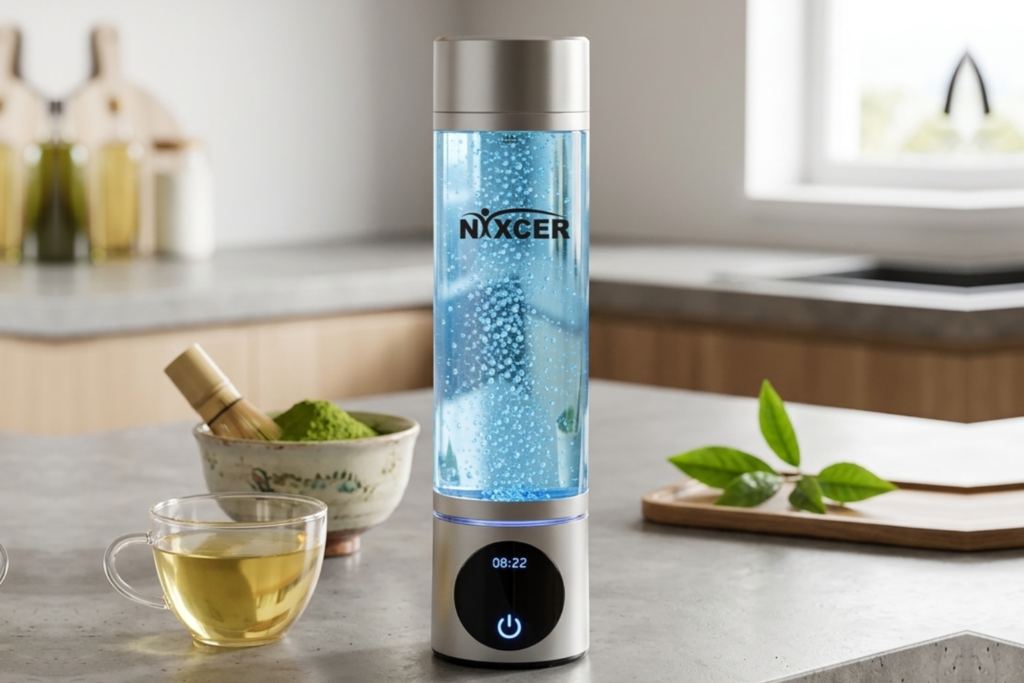
Portability Meets Performance: True portability is a key advantage. The Nixcer Pro includes a 1600mAh rechargeable battery providing 7-13 hydrogen generation cycles per charge (depending on mode selection). USB-C charging means you can recharge anywhere you can charge your phone—at your desk, in your car, or while traveling. The compact 350ml capacity (with 420ml total bottle volume) fits in cup holders and backpack pockets while providing an optimal single serving of hydrogen water.
Versatile Water Compatibility: The Nixcer Pro works with various water types—tap water, filtered water, purified water, reverse osmosis (RO) water, or distilled water. This versatility means you’re not limited by water source, though using cleaner water (filtered, RO, or distilled) extends the life of the PEM membrane.
Dual-Purpose Design: Uniquely, the Nixcer Pro functions both as a portable hydrogen water bottle for drinking and as a hydrogen inhalation device. By adding a small amount of water to the inner chamber and connecting the included nasal tube, you can inhale pure hydrogen—a method some research suggests may provide faster acute benefits for brain fog due to higher brain tissue concentrations via inhalation.
How It Specifically Addresses Dehydration Brain Fog: The Nixcer Pro tackles brain fog through multiple complementary mechanisms. First, it provides essential hydration to prevent the cellular dehydration, reduced blood flow, and electrolyte imbalances that cause traditional dehydration brain fog. Second, the molecular hydrogen provides antioxidant protection specifically for brain cells, neutralizing the oxidative stress that compounds cognitive impairment. Third, hydrogen’s anti-inflammatory effects address neuroinflammation that contributes to mental cloudiness. Finally, by supporting mitochondrial function, hydrogen water ensures your brain cells have the energy needed for optimal cognitive performance.
Users report experiencing clearer thinking, improved focus, better memory recall, reduced mental fatigue, and more sustained mental energy throughout the day—benefits that extend beyond what regular water alone provides.
How to Use Hydrogen Water for Optimal Brain Function
Getting the most from your hydrogen water requires understanding not just what to drink, but when and how to drink it.
Optimal Timing for Cognitive Benefits: Start your day with hydrogen water. Drinking 500ml of hydrogen water first thing in the morning provides immediate rehydration after overnight fluid loss while delivering antioxidant and energizing effects that can improve mental clarity throughout the day. Before mentally demanding tasks—whether work, study sessions, important meetings, or creative projects—consume hydrogen water 15-30 minutes beforehand to prime your brain for peak performance.
Recommended Daily Dosage: For general cognitive support and brain fog prevention, aim for 1.5-2 liters of hydrogen water daily. This can be divided into 4-5 servings throughout the day. For therapeutic use during periods of intense cognitive demand or when experiencing pronounced brain fog, you might increase to 2-3 liters, though staying within reasonable hydration limits overall.
Consumption Timeline Is Critical: Hydrogen gas is volatile and dissipates from water relatively quickly. For maximum benefit, drink hydrogen water within 20-30 minutes of generating it. If you need to transport it, use an airtight container, though concentration will still decrease over time. This is why portable hydrogen water generators like the Nixcer Pro are superior to pre-packaged hydrogen water—you generate fresh, high-concentration hydrogen water exactly when you need it.
Combining with Healthy Lifestyle Habits: Hydrogen water works best as part of a comprehensive approach to brain health. Maintain a nutrient-rich diet emphasizing omega-3 fatty acids, antioxidants, and B vitamins. Prioritize quality sleep, as adequate rest is essential for cognitive function regardless of hydration status. Incorporate regular exercise, which increases cerebral blood flow and supports neuroplasticity. Manage stress through meditation, deep breathing, or other relaxation techniques. Minimize exposure to environmental toxins and avoid excessive alcohol or caffeine.
Leveraging Dual Use: Drinking and Inhalation: The Nixcer Pro’s dual functionality allows strategic use. For daily maintenance and general hydration, drinking hydrogen water is ideal. For acute brain fog episodes or when you need rapid cognitive improvement, consider hydrogen inhalation using the nasal tube attachment. Some users employ both methods: drinking hydrogen water throughout the day for sustained benefits and using inhalation when brain fog strikes unexpectedly.
What to Expect and When: Individual responses vary, but many users report noticeable improvements in mental clarity within 15-30 minutes of consuming hydrogen water—particularly when addressing acute dehydration-related brain fog. For sustained cognitive benefits, baseline improvements, and neuroprotective effects, consistent daily use over 2-4 weeks typically produces the most pronounced results. Think of hydrogen water as both an acute intervention for brain fog and a long-term investment in cognitive health.
Who Should Consider Hydrogen Water for Brain Fog?
While anyone can benefit from optimal hydration, certain groups may find hydrogen water particularly valuable for maintaining mental clarity:
Students and Academic Professionals: From high school students preparing for exams to graduate students conducting research to professors preparing lectures, academic work demands sustained concentration, memory function, and mental stamina. Hydrogen water’s demonstrated benefits for attention, working memory, and task-switching ability make it especially relevant for educational settings.
Knowledge Workers and Professionals: Office workers, programmers, writers, analysts, lawyers, accountants, and others whose work requires extended periods of focused mental effort are prime candidates for hydrogen water. The cognitive demands of knowledge work create particular vulnerability to brain fog, especially in the afternoon hours when both hydration levels and mental energy typically wane.
Athletes and Fitness Enthusiasts: Physical exertion leads to fluid loss through sweating, making athletes especially prone to dehydration-related cognitive impairment. But athletic performance isn’t just physical—mental clarity, quick decision-making, and sustained focus are crucial competitive advantages. Hydrogen water provides both hydration and the additional cognitive and recovery benefits that support overall athletic performance.
People Experiencing Chronic Mental Fatigue: If you regularly experience brain fog regardless of sleep quality or stress levels, hydrogen water might address underlying factors like chronic low-grade dehydration, oxidative stress, or inflammation. Those with chronic fatigue syndrome, post-viral fatigue, or unexplained cognitive issues may find hydrogen water helpful as part of a comprehensive approach.
Older Adults Concerned with Cognitive Health: Aging naturally reduces the brain’s sensitivity to thirst signals, making older adults more vulnerable to chronic dehydration. Additionally, the neuroprotective properties of hydrogen water may help counter age-related cognitive decline, oxidative damage, and neuroinflammation. Research showing hydrogen water’s benefits in animal models of aging and human studies of older adults suggests this population could particularly benefit.
Anyone with High Cognitive Demands: If your lifestyle involves long work hours, complex problem-solving, creative demands, multitasking, or sustained mental performance, hydrogen water can help maintain the edge you need. Even if you don’t currently experience brain fog, optimizing hydration and providing neuroprotective benefits may enhance your cognitive ceiling and resilience to stress.
The best hydrogen water bottle like the Nixcer Pro makes incorporating hydrogen water into these various lifestyles practical, portable, and sustainable.
Frequently Asked Questions
How quickly does hydrogen water work for brain fog?
For acute dehydration-related brain fog, many users report improvements within 15-30 minutes of drinking hydrogen water. The combination of rapid rehydration plus molecular hydrogen’s quick absorption and antioxidant effects can produce relatively fast results. For chronic brain fog or preventive benefits, consistent daily use over 2-4 weeks typically produces the most significant and sustainable improvements.
Is hydrogen water safe to drink daily?
Yes, hydrogen water is considered safe for daily consumption. Molecular hydrogen is naturally produced by bacteria in your gut during digestion, meaning your body is already exposed to hydrogen gas regularly. Extensive research has found no adverse effects even with high concentrations. The hydrogen that isn’t utilized by your body is simply exhaled or released harmlessly.
Can I use hydrogen water with other supplements or medications?
Hydrogen water is generally safe to combine with other supplements and medications. In fact, it may enhance the effectiveness of certain antioxidants and neuroprotective supplements. However, if you have specific medical conditions or take prescription medications (particularly blood thinners or medications affecting electrolyte balance), consult your healthcare provider before making significant changes to your hydration strategy.
How does hydrogen water compare to coffee or energy drinks for mental clarity?
While coffee and energy drinks provide stimulation through caffeine, they work differently than hydrogen water. Caffeine blocks adenosine receptors to reduce drowsiness but can cause jitters, anxiety, crashes, and disrupted sleep. Hydrogen water supports mental clarity by addressing root causes: optimizing hydration, reducing oxidative stress, supporting mitochondrial energy production, and reducing inflammation. Many users find they need less caffeine when regularly consuming hydrogen water, as the sustained mental energy feels “cleaner” without jittery side effects.
What if I don’t taste any difference?
Hydrogen water tastes essentially identical to regular water because molecular hydrogen is odorless, colorless, and tasteless. You won’t notice a flavor difference, but you should experience functional differences in how you feel. The lack of taste is actually an advantage—it’s like regular water but with added health benefits.
How often should I drink hydrogen water throughout the day?
For optimal results, distribute hydrogen water intake throughout the day rather than consuming it all at once. A good pattern might be: one serving in the morning upon waking, one before lunch, one mid-afternoon (when brain fog often peaks), and one in the early evening. This maintains consistent hydrogen levels and hydration throughout your waking hours.
Will this cure my brain fog permanently?
Hydrogen water is a tool, not a cure-all. If your brain fog stems from dehydration and related factors like oxidative stress or inflammation, hydrogen water may provide significant and sustained relief with regular use. However, brain fog with other underlying causes—such as sleep disorders, nutritional deficiencies, hormonal imbalances, or medical conditions—requires addressing those specific factors. Hydrogen water can be part of a comprehensive approach but shouldn’t replace medical evaluation for persistent or severe cognitive symptoms.
Final Verdict: Combining Hydration and Hydrogen for Mental Clarity
The scientific connection between dehydration and brain fog is undeniable. Your brain’s high water content and exquisite sensitivity to fluid balance mean that even mild dehydration can significantly impair the cognitive function you depend on daily. The cascading effects of reduced blood flow, electrolyte imbalances, neurotransmitter disruption, and cellular shrinkage create the mental cloudiness that diminishes quality of life for millions.
Traditional hydration strategies—drinking adequate water, balancing electrolytes, consuming hydrating foods—form the essential foundation for preventing dehydration-related brain fog. However, emerging research suggests that hydrogen-enriched water offers benefits that extend beyond basic hydration, providing antioxidant, anti-inflammatory, and neuroprotective effects that specifically support brain health.
The Nixcer Pro Hydrogen Water Bottle represents a practical, scientifically-grounded solution for those seeking to optimize both hydration and cognitive function. With its industry-leading 8000PPB hydrogen concentration, advanced SPE/PEM dual-chamber technology, platinum-coated membrane ensuring purity, flexible dual-mode operation, and true portability, the Nixcer Pro makes incorporating therapeutic hydrogen water into daily life convenient and sustainable.
Whether you’re a student facing exams, a professional navigating demanding work schedules, an athlete requiring peak mental and physical performance, or simply someone tired of the mental fog that clouds your days, optimizing your hydration strategy with hydrogen water offers a evidence-based approach to reclaiming mental clarity.
Start by ensuring you’re meeting basic hydration needs with clean water distributed throughout the day. Then consider elevating your approach with a portable hydrogen water bottle like the Nixcer Pro to provide your brain with the advanced support it needs to function at its best. Your clearer, sharper, more focused mind will thank you.
Remember, while hydrogen water is a powerful tool for supporting brain health and combating dehydration-related brain fog, it works best as part of a holistic lifestyle approach that includes adequate sleep, nutritious food, regular exercise, stress management, and addressing any underlying health concerns with appropriate medical guidance. Hydration is fundamental—but the quality of that hydration may make all the difference.