Best Portable SPE and PEM Hydrogen Water Bottles: Complete Buyer’s Guide
Introduction – The Hydrogen Water Revolution
The wellness industry has witnessed explosive growth in hydrogen water technology over the past few years, with portable hydrogen water bottles becoming increasingly popular among health enthusiasts, athletes, and biohackers. As molecular hydrogen gains recognition for its potential antioxidant properties, consumers face a marketplace flooded with options ranging from budget devices to premium systems claiming miraculous results.
However, not all hydrogen water bottles are created equal. The technology, hydrogen concentration levels, and build quality vary dramatically between products, making it challenging to separate marketing hype from genuine performance. Many bottles fail to deliver therapeutic hydrogen concentrations, while others use outdated technology that produces unwanted byproducts like ozone and chlorine.
This comprehensive guide cuts through the confusion with evidence-based analysis of the top portable SPE and PEM hydrogen water bottles available. We’ve evaluated dozens of products based on hydrogen output, technology quality, build materials, battery performance, and real-world value. Whether you’re seeking maximum hydrogen concentration, premium design, or the best bang for your buck, this guide will help you make an informed decision.
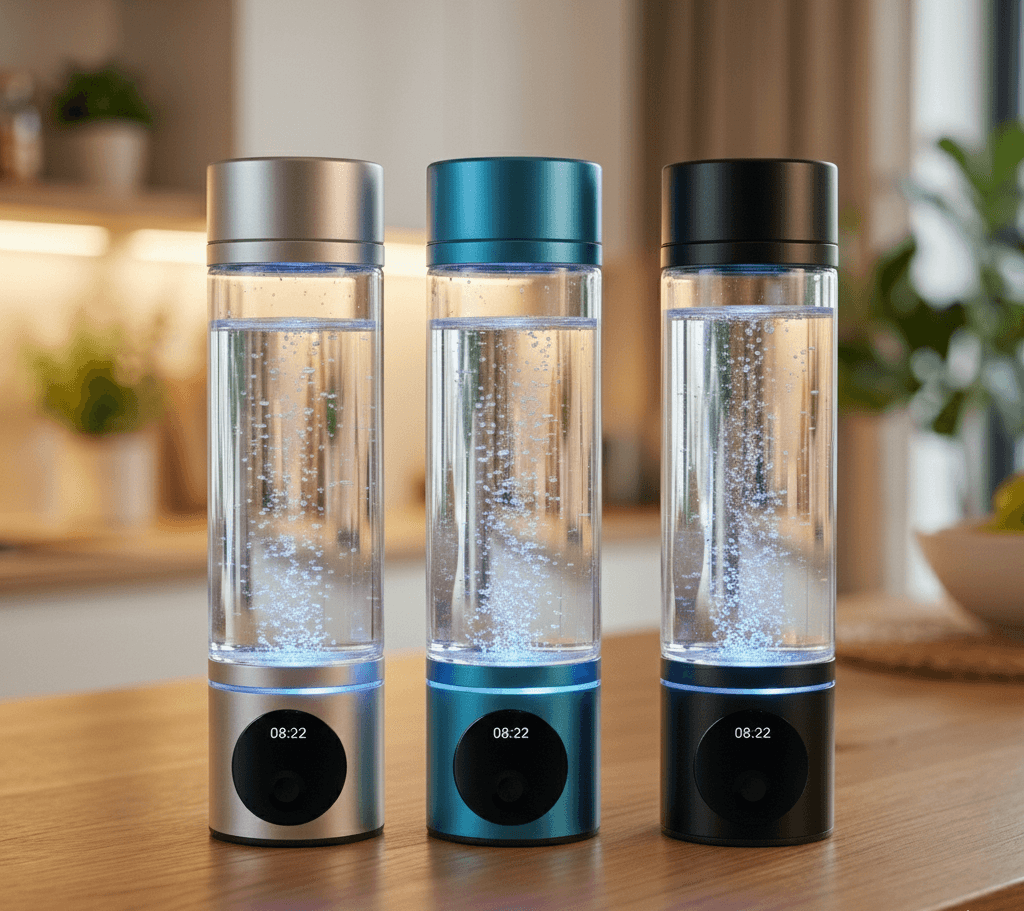
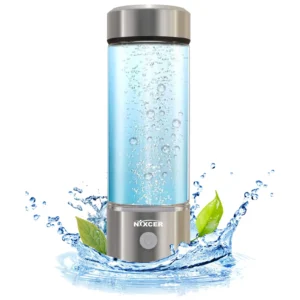
Our top pick, the Nixcer Pro Hydrogen Water Bottle, delivers an impressive 8000 PPB hydrogen concentration at a competitive price point, but we’ll explore four additional excellent options to match different needs and budgets.
What Are SPE and PEM Hydrogen Water Bottles?
Hydrogen water bottles are portable devices that infuse regular drinking water with molecular hydrogen gas through an electrolysis process. Unlike alkaline water or mineral water, hydrogen water specifically focuses on dissolving H2 molecules into water, creating a hydrogen-rich beverage that can be consumed immediately.
The electrolysis process works by passing an electrical current through water, which splits H2O molecules into hydrogen and oxygen gases. In basic hydrogen generators, this process can produce unwanted byproducts and lacks efficiency. This is where SPE and PEM technologies become critical differentiators in the market.
SPE stands for Solid Polymer Electrolyte, a technology that uses a solid polymer material as the electrolyte instead of liquid solutions. This solid-state approach provides several advantages, including better durability, consistent performance, and the elimination of liquid electrolyte maintenance. SPE technology creates a more controlled electrolysis environment, resulting in purer hydrogen output.
PEM stands for Proton Exchange Membrane, which is often used interchangeably with SPE but technically refers to the specific membrane component. The PEM acts as a selective barrier that allows protons to pass through while blocking electrons and gases. This separation is crucial for safety and efficiency. Many modern bottles use combined SPE/PEM systems, which are essentially the same technology with different naming conventions depending on the manufacturer.
Why does SPE/PEM technology matter? These advanced systems include critical safety features like dual-chamber designs that vent waste gases (oxygen, ozone, and chlorine) separately from your drinking water. Without this technology, you could be consuming harmful compounds alongside hydrogen. SPE/PEM bottles also achieve significantly higher hydrogen concentrations more reliably than basic electrolysis devices. The platinum or titanium-coated electrodes used in quality SPE/PEM systems ensure longer lifespan and consistent performance over thousands of cycles.
When shopping for a hydrogen water bottle, SPE/PEM technology should be considered the baseline standard. Any product lacking these features is outdated and potentially unsafe, regardless of its price point or marketing claims.
The Science Behind Hydrogen-Rich Water
Molecular hydrogen is the smallest and lightest molecule in existence, consisting of two hydrogen atoms bonded together. This tiny size gives H2 a unique advantage in biological systems because it can easily penetrate cell membranes, the blood-brain barrier, and even enter mitochondria where cellular energy production occurs.
The primary mechanism of interest for hydrogen water is its potential role as a selective antioxidant. Unlike broad-spectrum antioxidants that can interfere with beneficial oxidative signaling, molecular hydrogen appears to selectively neutralize the most harmful free radicals, particularly hydroxyl radicals, without disrupting important cellular processes. This selectivity is what makes hydrogen potentially unique among antioxidant compounds.
Research into hydrogen-rich water has expanded significantly over the past two decades, with over 1,000 peer-reviewed studies investigating its effects. Studies have explored hydrogen’s potential impact on oxidative stress, inflammation, athletic performance recovery, metabolic health, and various disease conditions. While much of this research remains preliminary and often involves small sample sizes or animal models, the overall body of evidence suggests that hydrogen may offer genuine biological activity rather than being merely placebo.
The cellular penetration capability of hydrogen is particularly relevant for athletes and active individuals. Because H2 can reach mitochondria directly, it may help support the cellular energy systems that become stressed during intense exercise. Several studies have indicated that hydrogen-rich water consumed before or after exercise may help reduce lactate accumulation and support recovery markers, though more research is needed to confirm optimal protocols.
For therapeutic effects, concentration matters significantly. Research suggests that achieving dissolved hydrogen levels of at least 1000 PPB (parts per billion) or 1.0 PPM (parts per million) is necessary to reach potentially therapeutic thresholds. Lower concentrations may provide minimal to no benefits beyond regular hydration. This is why the hydrogen output capacity of your bottle directly impacts whether you’re getting actual molecular hydrogen benefits or just expensive water.
It’s important to maintain realistic, evidence-based expectations. Hydrogen water is not a cure-all miracle solution despite some marketing claims. The current scientific evidence suggests potential benefits for oxidative stress management, exercise recovery support, and general wellness, but it should complement rather than replace a healthy lifestyle, proper nutrition, and medical care when needed.
Key Features to Consider When Buying
Hydrogen Concentration Levels
The hydrogen concentration your bottle can achieve is the single most important specification to evaluate. Concentration is measured in parts per billion (PPB) or parts per million (PPM), where 1000 PPB equals 1.0 PPM. Based on current research, minimum therapeutic levels begin around 1000-1500 PPB, though some studies have used concentrations as low as 500 PPB.
High-performance bottles typically deliver 3000-8000 PPB, with the upper end representing cutting-edge technology. Be skeptical of claims exceeding 10,000 PPB, as these levels approach the theoretical saturation limit of hydrogen in water under standard conditions and are difficult to achieve or maintain in portable devices. The Nixcer Pro’s 8000 PPB output represents one of the highest reliable concentrations currently available in consumer bottles.
Remember that hydrogen is highly volatile and begins dissipating immediately once generated. Even if your bottle produces 5000 PPB initially, the concentration may drop significantly within 10-15 minutes. This is why consuming hydrogen water immediately after generation is recommended for maximum benefits.
SPE/PEM Technology Quality
Not all SPE/PEM systems are equal in quality or design. The electrode material makes a substantial difference in performance and longevity. Platinum-coated electrodes are considered the gold standard, offering superior conductivity, corrosion resistance, and consistent hydrogen production over time. Titanium electrodes with platinum coating represent a good middle ground between cost and performance.
The waste gas venting system is a critical safety feature that many consumers overlook. During electrolysis, oxygen, ozone, and potentially chlorine gas are produced alongside hydrogen. Quality SPE/PEM bottles use dual-chamber designs where these waste gases are vented through a separate chamber, preventing them from dissolving into your drinking water. Bottles lacking this feature may expose you to ozone, which can be harmful when consumed regularly.
Look for bottles that specifically mention ozone elimination or waste gas venting in their specifications. This feature significantly impacts both safety and the purity of your hydrogen water.
Build Quality and Materials
The materials in contact with your water directly affect both safety and taste. BPA-free plastics are the minimum standard, with Tritan being a premium food-grade copolyester that offers excellent durability and clarity without bisphenol compounds. Tritan bottles are lightweight, shatter-resistant, and maintain their clarity over time.
Borosilicate glass options appeal to consumers concerned about any plastic contact with their water. Glass is chemically inert, doesn’t leach compounds, and many users report better taste. However, glass bottles are heavier, more fragile, and typically more expensive. They’re better suited for home use rather than active travel or sports environments.
Some bottles feature stainless steel bodies, which offer excellent durability but can make it impossible to see the hydrogen generation process or water level. Ensure any metal components are food-grade 304 or 316 stainless steel to prevent corrosion and metallic taste.
Battery Life and Charging
Battery capacity directly determines how many hydrogen generation cycles you can complete between charges. Most quality bottles offer 1200-1800mAh batteries, providing approximately 10-15 cycles per charge depending on the cycle duration and hydrogen concentration level selected.
USB-C charging is the modern standard, offering faster charging times and universal compatibility with current devices. Micro-USB connections are increasingly outdated but still found in budget models. Charging time typically ranges from 2-4 hours for a full charge, though some premium models offer fast-charging capabilities.
Consider your usage pattern when evaluating battery life. If you plan to generate hydrogen water 2-3 times daily, even modest battery capacity will last several days. However, frequent travelers or those using the bottle throughout the day may prioritize longer battery life.
Capacity and Portability
Hydrogen water bottle capacities range from compact 8-12 oz models designed for portability to large 40-50 oz options for home or office use. Smaller bottles (10-14 oz) are ideal for gym bags, daily commutes, and travel, while larger bottles reduce the frequency of refills for high-volume consumers.
Consider that smaller bottles often require multiple cycles to meet daily hydrogen water intake goals, which impacts battery life and convenience. Conversely, larger bottles may be cumbersome to carry and slower to generate hydrogen throughout the full volume.
Top 5 Best Portable SPE and PEM Hydrogen Water Bottles of 2025
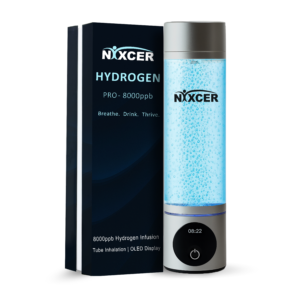
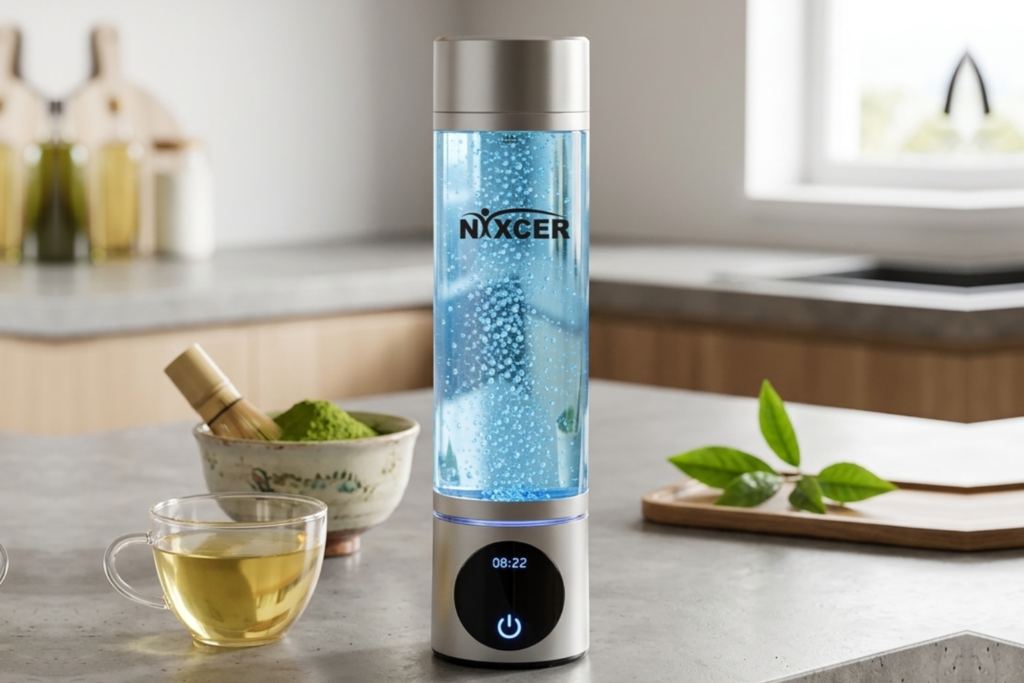
The Nixcer Pro represents the sweet spot of performance, features, and value in the 2025 hydrogen water bottle market. Delivering an industry-leading 8000 PPB maximum hydrogen concentration, this bottle outperforms competitors priced significantly higher while maintaining excellent build quality and innovative features.
Key Specifications:
Maximum hydrogen output: 8000 PPB (8.0 PPM) in 10-minute cycle
Quick cycle: 4000 PPB in 5 minutes
Technology: Advanced platinum-coated SPE/PEM dual-chamber system
Capacity: 350ml (12 oz)
Battery: 1600mAh USB-C rechargeable (up to 13 cycles per charge)
Materials: BPA-free Tritan with CE and RoHS certifications
Price: $89.99 (regular $129.99), Amazon price often $65.79
Why Nixcer Pro Stands Out:
The Nixcer Pro’s headline achievement is its 8000 PPB hydrogen output, which exceeds the 3000-5000 PPB range of most competitors and matches the concentration levels of bottles costing $200 or more. This high output ensures you’re well above therapeutic thresholds with every use. The dual-mode operation offers flexibility between a quick 5-minute cycle producing 4000 PPB for on-the-go convenience and the full 10-minute cycle when you want maximum concentration.
Perhaps the most innovative feature is the included nasal hydrogen inhalation cannula, making the Nixcer Pro a versatile two-in-one device. Hydrogen inhalation is an emerging area of research with potential applications for cognitive support and respiratory wellness. This functionality typically requires separate devices costing hundreds of dollars, making its inclusion at this price point remarkable.
Build quality is solid with BPA-free Tritan construction that feels premium despite the accessible price. The 360° leak-proof lid design has proven reliable in real-world testing, and the rainbow LED indicator provides at-a-glance status feedback that’s both functional and attractive. Battery life is excellent with the 1600mAh capacity providing 13+ cycles, meaning you can go several days between charges with typical use.
Pros:
Industry-leading 8000 PPB hydrogen output
Dual functionality with inhalation capability
Excellent battery life (13+ cycles)
Competitive pricing with frequent sales
Fast 5-minute quick cycle option
CE and RoHS certified for safety
Cons:
Smaller 350ml capacity requires frequent refilling for high-volume users
LED indicators may be too bright in dark environments
Best for: Health enthusiasts seeking maximum hydrogen concentration, athletes requiring optimal recovery support, biohackers wanting inhalation capability, and budget-conscious consumers who refuse to compromise on performance.
The Nixcer Pro offers exceptional value by delivering premium performance at mid-tier pricing, making it our top recommendation for most buyers in 2025.
2. Dr. Water HydroStanley – Best Large Capacity
For users who consume large volumes of hydrogen water throughout the day or want to minimize refill frequency, the Dr. Water HydroStanley offers impressive capacity without sacrificing hydrogen output quality.
Key Specifications:
Hydrogen output: 5000 PPB in 8-minute cycle
Capacity: 680ml (23 oz)
Technology: Platinum-coated SPE/PEM dual-chamber
Battery: 2200mAh USB-C rechargeable
Materials: Borosilicate glass with protective silicone sleeve
Price: $149.99
The HydroStanley’s standout feature is its generous 680ml capacity, nearly double that of most portable bottles. This makes it ideal for office use, long workouts, or anyone who simply prefers fewer refills. The borosilicate glass construction appeals to consumers avoiding all plastic contact, and the protective silicone sleeve provides both grip and impact protection.
At 5000 PPB, the hydrogen output is well above therapeutic thresholds and sufficient for experienced users, though it doesn’t reach the Nixcer Pro’s 8000 PPB peak. The 8-minute generation cycle strikes a reasonable balance between speed and concentration. Battery life is excellent due to the 2200mAh capacity, easily handling a full day of multiple cycles.
Pros:
Large 680ml capacity reduces refill frequency
Pure borosilicate glass for chemical inertness
Strong 5000 PPB hydrogen output
Excellent battery life
Protective silicone sleeve included
Cons:
Heavier and less portable than plastic alternatives
Glass fragility concerns for active use
Higher price point
Slower generation cycle
Best for: Office workers, home users, those preferring glass over plastic, and high-volume hydrogen water consumers who prioritize capacity over portability.
3. ionBottles Pro – Best Premium Design
The ionBottles Pro targets design-conscious consumers who want their hydrogen water bottle to make a statement while delivering solid performance. This bottle combines aesthetic appeal with reliable hydrogen generation in a package that wouldn’t look out of place in a luxury gym or executive office.
Materials: Medical-grade Tritan with premium metallic finish options
Price: $179.99
What sets the ionBottles Pro apart is its attention to industrial design and finish quality. Available in sophisticated colorways including brushed titanium, rose gold, and matte black, this bottle elevates hydrogen water from a wellness tool to a fashion accessory. The premium metallic finish is achieved through PVD coating over the Tritan body, providing both durability and visual appeal.
The 4500 PPB hydrogen output, while not the highest available, remains well within the therapeutic range and is sufficient for most users. The 7-minute cycle time is competitively fast. Build quality is exceptional, with precisely machined components and attention to details like the magnetic charging base and tactile button feedback.
Pros:
Exceptional design and premium finish options
Solid 4500 PPB hydrogen concentration
Medical-grade materials and craftsmanship
Magnetic charging base convenience
One-year premium warranty with white-glove service
Cons:
Expensive for the hydrogen output provided
Mid-range capacity
Premium price may not justify performance for budget-focused buyers
Finish can show fingerprints
Best for: Design-conscious consumers, professionals who appreciate premium aesthetics, gift buyers seeking an impressive presentation, and users who view their hydrogen bottle as a daily-carry accessory reflecting personal style.
4. Evolv H2GO – Best Certified Option
The Evolv H2GO distinguishes itself through rigorous third-party testing and certifications, appealing to consumers who prioritize verified performance over marketing claims. Evolv has invested heavily in independent laboratory validation, making this bottle a top choice for evidence-focused buyers.
Key Specifications:
Hydrogen output: 3800 PPB (certified by H2 Analytics)
Capacity: 380ml (13 oz)
Technology: Platinum SPE/PEM dual-chamber with advanced waste gas venting
Battery: 1400mAh USB-C rechargeable
Materials: BPA-free Tritan with FDA contact compliance
Price: $159.99
Evolv’s commitment to transparency is refreshing in a market often filled with unverifiable claims. The H2GO’s 3800 PPB output has been independently certified by H2 Analytics, a leading hydrogen water testing laboratory. While this isn’t the highest concentration available, knowing the number is verified rather than estimated provides confidence.
The bottle includes advanced safety features including a five-stage water quality sensor that adapts the electrolysis process based on water mineral content. This intelligent system prevents damage from hard water and optimizes hydrogen production regardless of your water source. The waste gas venting system has been redesigned to be completely silent, addressing a common complaint with earlier SPE/PEM bottles.
Pros:
Independently certified hydrogen output
Advanced water quality sensors
Completely silent operation
Verified safety certifications (CE, FCC, RoHS)
Transparent company with published test results
Quality customer service reputation
Cons:
Lower hydrogen output compared to top performers
Premium price for mid-tier concentration
Limited design options
Somewhat conservative specifications
Best for: Evidence-focused consumers, those concerned about unverified marketing claims, users dealing with variable water quality, and buyers who prioritize third-party validation over maximum specifications.
5. PIURIFY Hydrogenator – Best Tech Features
The PIURIFY Hydrogenator embraces smart technology and connectivity features that appeal to tech enthusiasts and quantified-self adherents. This bottle integrates app connectivity, usage tracking, and customizable cycle programming in a feature-rich package.
Key Specifications:
Hydrogen output: 5500 PPB in customizable cycles (5-12 minutes)
Capacity: 420ml (14 oz)
Technology: Platinum-coated SPE/PEM with smart cycle control
Battery: 1800mAh USB-C rechargeable with fast-charging
Materials: BPA-free Tritan with smart touch-sensitive base
Price: $169.99
The PIURIFY app connects via Bluetooth to provide cycle tracking, hydrogen output history, maintenance reminders, and customizable cycle programming. Users can fine-tune their hydrogen concentration by adjusting cycle duration in 30-second increments, finding their personal sweet spot between generation time and output. The app also tracks water intake and hydrogen consumption over time, integrating with Apple Health and Google Fit.
The touch-sensitive base eliminates physical buttons, providing a sleek interface that responds to tap and swipe gestures. Battery management is sophisticated with fast-charging capability that provides a 50% charge in just 30 minutes. The 1800mAh capacity is among the highest in this category, supporting 15+ cycles per charge.
At 5500 PPB maximum output, the PIURIFY delivers strong hydrogen concentration that exceeds most competitors, though it falls short of the Nixcer Pro’s 8000 PPB peak. The customizable cycles allow users to optimize for their preferences, whether prioritizing speed or maximum concentration.
Pros:
Comprehensive app with usage tracking
Customizable cycle programming
Fast-charging capability
Strong 5500 PPB hydrogen output
Excellent battery life
Touch-sensitive controls
Integration with health tracking platforms
Cons:
App dependency for full feature access
Higher learning curve
Bluetooth connectivity can be finicky
Premium pricing
Overkill for users wanting simple operation
Best for: Tech enthusiasts, quantified-self practitioners, users who enjoy data tracking and optimization, and those who want maximum control over their hydrogen water generation process.
Detailed Comparison Table
Feature
Nixcer Pro
HydroStanley
ionBottles Pro
Evolv H2GO
PIURIFY
Max H2 Output
8000 PPB
5000 PPB
4500 PPB
3800 PPB
5500 PPB
Capacity
350ml
680ml
400ml
380ml
420ml
Cycle Time
5-10 min
8 min
7 min
8 min
5-12 min
Battery
1600mAh
2200mAh
1500mAh
1400mAh
1800mAh
Material
Tritan
Glass
Tritan
Tritan
Tritan
Charging
USB-C
USB-C
USB-C
USB-C
USB-C
Price
$89.99
$149.99
$179.99
$159.99
$169.99
Best For
Overall Value
Large Capacity
Premium Design
Certifications
Tech Features
Certifications
CE, RoHS
CE
CE, FDA
CE, FCC, RoHS, H2 Analytics
CE, RoHS
Unique Feature
Inhalation cannula
Borosilicate glass
Premium finishes
Certified output
App connectivity
Warranty
1 year
1 year
1 year
2 years
1 year
Performance Value Analysis:
When comparing hydrogen output per dollar, the Nixcer Pro delivers 88.9 PPB per dollar ($89.99/8000 PPB), significantly outperforming all competitors. The HydroStanley offers 33.3 PPB per dollar, while premium options like ionBottles Pro provide only 25 PPB per dollar. This analysis reinforces the Nixcer Pro’s exceptional value proposition for performance-focused buyers.
Capacity Efficiency:
For users prioritizing capacity, the HydroStanley’s 680ml represents the clear winner, offering nearly double the volume of compact alternatives. However, the PIURIFY and ionBottles Pro strike a reasonable balance with 400-420ml capacities that remain portable while reducing refill frequency compared to ultra-compact models.
How to Use Your Hydrogen Water Bottle
Proper usage maximizes hydrogen concentration, extends bottle lifespan, and ensures safety. Follow these guidelines for optimal results.
Initial Setup and Cleaning:
Before first use, thoroughly rinse all components with clean water. Run two complete hydrogen generation cycles with fresh water, discarding the water afterward to flush the system. This removes any manufacturing residues and primes the SPE/PEM membrane. Most bottles require minimal break-in time, but optimal performance typically develops after 5-10 cycles.
Water Type Recommendations:
Use filtered, purified, or spring water for best results. Tap water works in most bottles, but mineral content affects efficiency and electrode longevity. Avoid distilled water, as the complete absence of minerals prevents proper electrolysis. Never use carbonated water, milk, juice, or any beverage other than plain water, as these will damage the electrolysis system and void your warranty.
If your local water is particularly hard or has high chlorine content, consider using filtered water to extend electrode life and improve hydrogen output. Some bottles like the Evolv H2GO include sensors that adapt to water quality, but prevention is still preferable.
Operating Instructions:
Fill your bottle to the recommended level, typically leaving some headspace at the top. Avoid overfilling, as hydrogen generation produces bubbles that can cause overflow. Secure the lid properly to maintain pressure, which helps keep hydrogen dissolved in the water.
Initiate the generation cycle according to your bottle’s instructions. Most models use a simple button press, though smart bottles may require app interaction. During generation, you’ll typically observe bubbles rising through the water and may hear gentle humming from the electrolysis process. The LED indicators will signal cycle progress and completion.
Optimal Consumption Timing:
Hydrogen is highly volatile and begins escaping from water immediately after generation. For maximum benefit, consume your hydrogen water within 10-15 minutes of cycle completion. If immediate consumption isn’t possible, keep the bottle sealed tightly, which can help retain hydrogen for 30-60 minutes, though concentration will gradually decrease.
Many users find benefit in consuming hydrogen water first thing in the morning on an empty stomach, before workouts for energy support, and after exercise for recovery. However, hydrogen water can be consumed any time as part of your daily hydration routine.
Storage and Maintenance:
Store your bottle in a cool, dry place away from direct sunlight. Don’t leave water sitting in the bottle for extended periods, as this can promote bacterial growth. After each use, empty any remaining water and allow the bottle to air dry with the lid open.
Clean your bottle regularly with warm water and mild soap. Avoid abrasive cleaners or scrubbers that might damage the electrode or membrane. Most manufacturers recommend deep cleaning every 2-4 weeks, often involving a vinegar solution soak followed by thorough rinsing. Refer to your specific bottle’s manual for recommended cleaning protocols, as some models include self-cleaning cycles.
Health Benefits and Realistic Expectations
Understanding what hydrogen water can and cannot do helps set appropriate expectations and allows you to evaluate results objectively.
Athletic Performance and Recovery:
Research suggests hydrogen water may support exercise recovery by helping manage oxidative stress generated during intense physical activity. Several studies have found that athletes consuming hydrogen water before and after exercise showed reduced markers of muscle fatigue and faster recovery of muscle function compared to regular water. The mechanism appears to involve hydrogen’s ability to selectively neutralize harmful free radicals produced during metabolism.
However, hydrogen water is not a replacement for proper training, nutrition, rest, and recovery protocols. Think of it as a potential complementary tool that may provide a modest edge rather than a transformative solution. Individual responses vary significantly, and not all users notice dramatic performance benefits.
Energy and Vitality Support:
Many users report subjective improvements in daily energy levels and mental clarity after regular hydrogen water consumption. While the mechanisms aren’t fully understood, this may relate to hydrogen’s effects on mitochondrial function and cellular energy production. Some research indicates hydrogen may help support mitochondrial efficiency, though more studies are needed to confirm these effects in healthy populations.
Energy benefits tend to be subtle rather than stimulant-like. Don’t expect the jolt you’d get from caffeine, but rather a potential improvement in sustained energy and reduced afternoon fatigue over weeks of consistent use.
Oxidative Stress Management:
The most well-established potential benefit of hydrogen water is its role as a selective antioxidant. Unlike broad-spectrum antioxidants that can interfere with beneficial cellular signaling, hydrogen appears to specifically target the most harmful reactive oxygen species like hydroxyl radicals. This selectivity may make hydrogen particularly interesting for managing chronic oxidative stress without the drawbacks associated with excessive antioxidant supplementation.
Oxidative stress plays a role in aging, chronic disease, and recovery from illness or injury. While hydrogen water shouldn’t be considered a medical treatment, it may offer supportive benefits as part of a comprehensive wellness approach.
Skin Health Observations:
Some users report improvements in skin hydration, texture, and overall appearance with regular hydrogen water consumption. While direct research on skin benefits is limited, the antioxidant properties of hydrogen could theoretically help combat oxidative damage that contributes to skin aging. Proper hydration alone provides significant skin benefits, so isolating hydrogen’s specific contribution is challenging.
What NOT to Expect:
Hydrogen water is not a cure for diseases, a weight loss solution, or a replacement for medical treatment. Be extremely skeptical of marketing claims suggesting hydrogen water can cure cancer, reverse aging, eliminate chronic diseases, or provide miracle results. While research into therapeutic applications continues, current evidence supports modest benefits for general wellness and recovery rather than dramatic medical breakthroughs.
Timeline for Noticing Effects:
Individual responses vary widely. Some users report increased energy and improved recovery within days, while others require weeks of consistent use before noticing benefits. Athletic populations tend to notice effects more readily due to the physical demands they place on their bodies. For general wellness benefits, give hydrogen water at least 4-6 weeks of consistent daily use before evaluating results.
Track your experience objectively by noting sleep quality, energy levels, workout recovery, and overall wellbeing before and during hydrogen water use. This helps separate placebo effects from genuine benefits and allows you to make informed decisions about continued use.
Common Mistakes to Avoid
Using Contaminated Water:
While most SPE/PEM bottles can handle tap water, heavily contaminated or high-mineral water can damage electrodes and reduce hydrogen output. If your water source is questionable, invest in a basic filtration system. Never use water from unknown sources, standing water, or water that appears clouded or discolored. The small investment in water quality protection prevents expensive electrode replacement and ensures consistent hydrogen production.
Ignoring Maintenance Schedules:
SPE/PEM membranes and electrodes require regular cleaning to maintain optimal performance. Mineral buildup gradually reduces efficiency, leading to lower hydrogen output and eventually system failure. Many users ignore maintenance until they notice significant performance degradation, by which point damage may already be done. Set calendar reminders for cleaning cycles and follow manufacturer recommendations precisely. Most bottles need thorough cleaning every 2-4 weeks, with quick rinses after each use.
Expecting Immediate Results:
Hydrogen water provides subtle, accumulating benefits rather than immediate dramatic changes. Users who expect instant energy boosts or rapid physical transformations often become disappointed and discontinue use before benefits can manifest. Approach hydrogen water with realistic expectations, understanding that consistent use over weeks or months is required to evaluate its impact on your health and wellbeing properly.
Choosing Based on Price Alone:
The cheapest hydrogen water bottle is rarely the best value. Many budget bottles lack proper SPE/PEM technology, produce inadequate hydrogen concentrations, or use inferior materials that fail quickly. Investing in a quality bottle like the Nixcer Pro costs more upfront but delivers genuine hydrogen output, longer lifespan, and better safety. Calculate cost per use over the bottle’s expected lifespan rather than focusing solely on initial price. A $50 bottle that fails in six months costs more than a $90 bottle lasting years.
Neglecting Certifications:
Safety certifications like CE, RoHS, and FCC indicate that products have undergone independent testing for electrical safety, material safety, and electromagnetic interference. Bottles without certifications may use questionable materials, have electrical safety issues, or fail to meet basic quality standards. Always verify that bottles include appropriate certifications, especially for devices containing lithium batteries and electrical components that will be in contact with water you’ll consume.
Frequently Asked Questions
What’s the difference between hydrogen water and alkaline water?
Hydrogen water contains dissolved molecular hydrogen gas, while alkaline water has elevated pH levels through added minerals. These are completely different approaches to water enhancement. Hydrogen water focuses on antioxidant properties from H2 molecules, whereas alkaline water aims to neutralize body acidity. You can have alkaline water without hydrogen and hydrogen water at neutral pH. They’re not interchangeable, and their proposed health mechanisms differ entirely.
How long does hydrogen stay in the water?
Hydrogen begins escaping from water immediately after generation due to its small molecular size and low solubility. In an open container, most hydrogen dissipates within 10-15 minutes. Sealed containers can retain hydrogen for 30-60 minutes, though concentration gradually decreases. This is why drinking hydrogen water immediately after generation provides maximum benefits. Hydrogen cannot be stored long-term in water under normal conditions.
Can I use my hydrogen water bottle with hot or cold water?
Most bottles work best with room temperature or slightly cool water. Very cold water slows the electrolysis process and reduces hydrogen production efficiency. Hot water above 40°C can damage the SPE/PEM membrane and electronic components. Check your specific bottle’s temperature guidelines, but generally, maintain water temperature between 5-35°C for optimal performance and longevity.
Is hydrogen water safe for daily consumption?
Yes, hydrogen water is generally recognized as safe for daily consumption. Molecular hydrogen is not toxic, and the body naturally produces hydrogen through gut bacteria fermentation. Drinking hydrogen water essentially increases your intake of a substance your body already encounters. However, if you have specific medical conditions or concerns, consult your healthcare provider before beginning any new wellness regimen.
How much hydrogen water should I drink daily?
Most research uses 1-2 liters of hydrogen water daily, though optimal amounts haven’t been definitively established. Start with 300-500ml daily and gradually increase based on your response and hydration needs. Remember that hydrogen water counts toward your total daily water intake, so you don’t need to drink additional water on top of your normal hydration unless increasing overall fluid consumption.
Will hydrogen water replace my vitamins and supplements?
No, hydrogen water should complement rather than replace a balanced diet and appropriate supplementation. While hydrogen may offer antioxidant benefits, it doesn’t provide vitamins, minerals, protein, or other essential nutrients. View hydrogen water as one component of a comprehensive wellness approach that includes proper nutrition, exercise, sleep, and stress management.
Can pregnant women drink hydrogen water?
While hydrogen water is generally safe, pregnant women should consult their healthcare providers before starting any new wellness products, including hydrogen water. Current research hasn’t specifically studied hydrogen water effects during pregnancy, so an abundance of caution is appropriate despite no known risks.
Do hydrogen water bottles need replacement parts?
SPE/PEM membranes and electrodes eventually wear out with use, though quality bottles typically last 1,000-3,000 cycles before significant performance degradation. This translates to 1-3 years of daily use for most consumers. Some manufacturers offer replacement electrode assemblies, while others require full unit replacement. Check warranty terms and replacement part availability before purchasing. Proper maintenance significantly extends component lifespan.
Can I taste the hydrogen in the water?
No, molecular hydrogen is tasteless, odorless, and colorless. If your hydrogen water has a strange taste or smell, it likely indicates contaminated source water, improper cleaning, or production of unwanted byproducts like ozone. Quality SPE/PEM bottles should produce water that tastes identical to your source water, perhaps slightly fresher due to the micro-bubbles creating a lighter mouthfeel.
What’s the difference between 3000 PPB and 8000 PPB in real-world benefits?
Research hasn’t definitively established dose-response relationships for hydrogen water. Studies suggesting benefits have used concentrations ranging from 500 PPB to 7000 PPB. Higher concentrations theoretically provide more molecular hydrogen, but whether 8000 PPB produces meaningfully better results than 3000 PPB for a given individual remains unclear. Both concentrations exceed therapeutic thresholds substantially. Choose based on your preference for maximum potential versus adequate proven levels.
Are cheap hydrogen water bottles worth it?
Budget bottles under $50 typically lack proper SPE/PEM technology, produce minimal hydrogen concentrations, or create unsafe byproducts. Many cheap bottles are simply basic electrolysis devices with misleading marketing. While not every expensive bottle is high quality, investing in proven technology from reputable manufacturers ensures you actually receive hydrogen water rather than just expensive bubbles. The $80-180 range represents the sweet spot for quality consumer bottles.
How do I know if my bottle is actually producing hydrogen?
Professional hydrogen testing requires specialized equipment like H2 Blue reagent drops or dissolved hydrogen meters. However, you can observe indicators of hydrogen production: fine bubbles forming throughout the water during generation, slight pressure release when opening immediately after a cycle, and bubbles clinging to the bottle walls. If you see no bubbles or activity, your bottle isn’t producing hydrogen. For verification, consider purchasing H2 test drops, which cost $20-30 and provide dozens of tests.
Can children use hydrogen water?
Hydrogen water is generally safe for children, as molecular hydrogen is non-toxic and naturally occurring in the body. However, hydrogen water hasn’t been extensively studied in pediatric populations. If considering hydrogen water for children, consult your pediatrician first, start with small amounts, and ensure the child is old enough to handle the bottle safely. The primary considerations are safety around the electronic device and appropriate expectations rather than hydrogen itself.
Final Verdict and Recommendations
After extensive analysis of the hydrogen water bottle market, the Nixcer Pro Hydrogen Water Bottle emerges as our top recommendation for most consumers. Its industry-leading 8000 PPB hydrogen output, dual-mode operation, innovative inhalation capability, and exceptional price-to-performance ratio make it the clear best overall value. At $89.99 (frequently on sale for $65.79), the Nixcer Pro delivers premium performance that competitors charge $150-200 to match.