
Glass vs Plastic Hydrogen Water Bottles, Which is Better for Your Health?
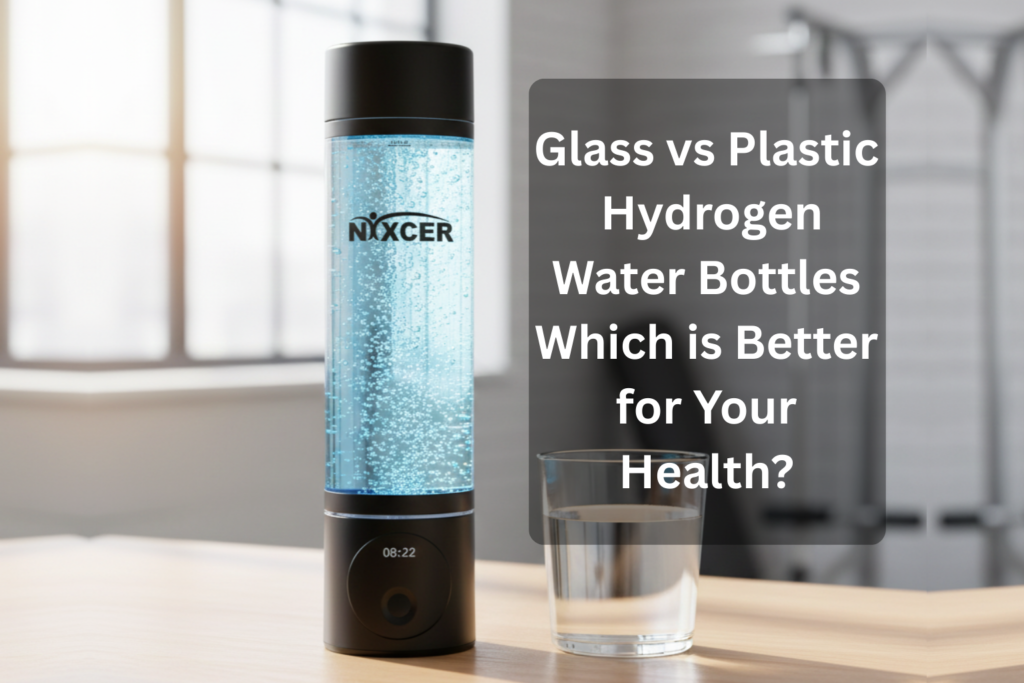
Introduction: The Material Matter in Hydrogen Water Technology When choosing a hydrogen water bottle, the material debate goes far beyond aesthetics. Unlike regular water bottles, hydrogen water generators operate under high internal pressure to infuse molecular hydrogen into water—and this fundamental difference changes everything about material selection. This comprehensive guide examines glass versus plastic hydrogen water bottles through the lens of science, safety, performance, and real-world use. Whether you’re considering the Nixcer Pro hydrogen water bottle or comparing alternatives, understanding material differences helps you make an informed investment in your wellness journey. What Makes Hydrogen Water Bottles Different From Regular Water Bottles The Pressure Challenge Hydrogen water bottles use electrolysis to split water molecules (H₂O) into hydrogen and oxygen gases. The hydrogen is then dissolved back into the water under pressure—typically between 30-160 PSI depending on the bottle design. This high-pressure environment is critical for achieving therapeutic hydrogen concentrations (measured in parts per billion, or PPB). The best hydrogen water bottle must withstand this internal pressure repeatedly without cracking, leaking, or degrading. This requirement immediately disqualifies many materials that work perfectly fine for regular drinking water. Why Hydrogen Concentration Matters Research suggests that hydrogen water may offer antioxidant benefits when consumed at concentrations above 1,000 PPB (1 PPM). Premium models like the Nixcer Pro hydrogen water bottle achieve up to 8,000 PPB—but only when paired with materials that can handle the pressure required for such high concentrations. Glass Hydrogen Water Bottles: Pros and Cons Advantages of Glass Chemical Purity and TasteGlass is completely non-reactive, meaning it won’t leach any chemicals, flavors, or odors into your water. Every sip tastes exactly as intended—clean, fresh, and pure. For health-conscious consumers who prioritize absolute purity, glass delivers peace of mind. Transparency and AestheticsThe clear material allows you to observe hydrogen bubble formation during the electrolysis process, which many users find reassuring. Glass bottles also offer a premium, elegant aesthetic that appeals to those who value design alongside function. Environmental CredentialsGlass is infinitely recyclable and contains no synthetic compounds. From an environmental perspective, glass represents a traditional, trusted material with minimal processing. Critical Limitations of Glass Structural Pressure LimitationsGlass begins cracking around 30-40 PSI of internal pressure. This fundamental weakness forces manufacturers to either: According to industry testing, most glass hydrogen bottles produce less than 500 PPB—well below the therapeutic threshold of 1,000+ PPB recommended for noticeable benefits. Fragility and Safety ConcernsOne accidental drop can shatter a glass bottle. Beyond the inconvenience and expense, broken glass poses genuine safety hazards, particularly around children or in active environments like gyms. Hydrogen Retention ProblemsA 2020 study comparing container materials found that hydrogen escaped significantly faster from glass compared to other materials. Glass allowed molecular hydrogen to permeate through its structure, meaning your hydrogen-rich water loses potency quickly even when sealed. Portability IssuesGlass bottles are heavier and bulkier than plastic alternatives, making them impractical for travel, commuting, or active lifestyles where you need your portable hydrogen water bottle throughout the day. Plastic Hydrogen Water Bottles: Understanding the Material Science Not All Plastics Are Created Equal The word “plastic” encompasses hundreds of different materials with vastly different properties. When we discuss plastic hydrogen water bottles, we’re specifically referring to medical-grade, food-safe polymers designed for demanding applications: These advanced materials are engineered specifically for applications requiring high durability, pressure resistance, and chemical stability. Advantages of Medical-Grade Plastic Superior Pressure HandlingQuality plastic hydrogen bottles can withstand 60-160 PSI of internal pressure—far exceeding glass capabilities. This allows manufacturers to achieve higher hydrogen concentrations without compromising safety. The Nixcer Pro hydrogen water bottle uses food-grade polycarbonate that handles the high pressure required for its industry-leading 8,000 PPB output in just 10 minutes. Durability and Impact ResistanceDrop a quality plastic hydrogen bottle and it bounces. These materials absorb shock and resist cracking, making them ideal for daily use, travel, gym bags, and active lifestyles. Unlike glass, they won’t shatter into dangerous shards. Lightweight PortabilityPlastic bottles weigh significantly less than glass equivalents. A typical portable hydrogen water bottle in plastic weighs 8-12 ounces empty, compared to 16-24 ounces for glass—making a major difference during travel or daily carry. Better Hydrogen RetentionWhen properly sealed, high-quality plastics prevent hydrogen from escaping through the bottle walls. While hydrogen is the smallest molecule and will eventually escape from any container, certified plastics outperform glass in retention testing. Advanced IntegrationPlastic allows for integrated features like: Addressing Plastic Safety Concerns The BPA QuestionBisphenol-A (BPA) has been linked to hormonal disruption and other health concerns. Legitimate concern about BPA drove development of BPA-free alternatives. Modern hydrogen water generator bottles use plastics that are: The Nixcer brand, like other reputable manufacturers, uses CE and RoHS certified polycarbonate that meets international health standards. The Microplastics ConcernMicroplastic shedding occurs when plastics degrade due to: High-quality materials like Tritan, PPSU, and food-grade PC are engineered to resist degradation. When properly cared for (avoiding dishwashers, direct sunlight, and extreme temperatures), these materials show minimal shedding even after years of use. Third-party testing shows that medical-grade plastics in hydrogen bottles shed significantly fewer microplastics than typical consumer plastics like cheap water bottles or food containers. Chemical Leaching RealityUnlike low-grade plastics, certified food-grade polymers are chemically stable. Independent laboratory testing confirms that materials like Tritan and PC don’t leach harmful chemicals even when subjected to: The Hidden Truth About “Glass” Hydrogen Water Bottles Here’s an insider secret most manufacturers won’t advertise: even “glass” hydrogen water bottles contain substantial plastic components: Your water contacts these plastic components every time you drink. A full-plastic bottle from a reputable manufacturer may actually expose your water to fewer different plastic types than a glass bottle with multiple plastic accessories. Performance Comparison: Glass vs Plastic Hydrogen Water Bottles Hydrogen Generation Capacity Feature Glass Bottles High-Quality Plastic Bottles Maximum Pressure 30-40 PSI 60-160 PSI Typical H₂ Concentration 300-800 PPB 1,500-8,000 PPB Generation Time 10-15 minutes 3-15 minutes Concentration Consistency Variable Consistent The hydrogen water generator bottle category clearly favors plastic for achieving therapeutic hydrogen levels. Durability and Lifespan Aspect Glass Plastic (Food-Grade) Drop Resistance Poor – shatters easily Excellent – impact resistant Pressure Cycles Limited (300-500) Extended (1000+) Expected Lifespan 1-2