
Why Some People Feel No Difference From Hydrogen Water
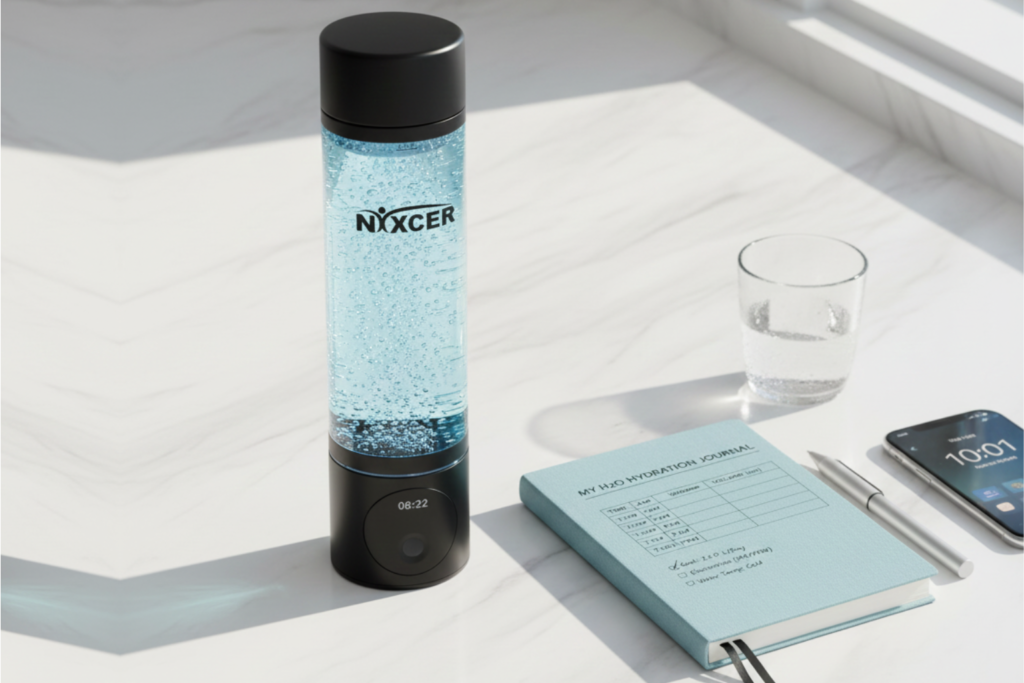
Introduction You’ve heard the buzz about hydrogen water and its potential health benefits. Maybe you even bought a hydrogen water bottle or tried pre-packaged hydrogen water drinks. But weeks later, you’re still waiting to feel the dramatic changes others rave about. You’re not alone, and you’re not imagining it. The truth is, many people don’t experience noticeable effects from hydrogen water, but this doesn’t mean hydrogen water doesn’t work. The disconnect usually comes down to seven critical factors: product quality, hydrogen concentration, usage patterns, individual biology, realistic expectations, duration of use, and timing of consumption. In this comprehensive guide, we’ll explain exactly why some people feel nothing from hydrogen water, break down the science behind what actually works, and show you how to maximize your chances of experiencing real benefits. We’ll also examine what separates effective hydrogen water products from the countless ineffective options flooding the market. Whether you’re skeptical, disappointed, or simply curious, understanding these factors will save you money and help you make informed decisions about hydrogen water. What Is Hydrogen Water? Hydrogen water is regular water (H₂O) that has been infused with additional molecular hydrogen gas (H₂). Unlike the hydrogen already bound in water molecules, this extra hydrogen exists as dissolved gas that your body can absorb. The key distinction here is crucial: we’re talking about molecular hydrogen (H₂), not additional water molecules or hydrogen ions. Molecular hydrogen consists of two hydrogen atoms bonded together, creating the smallest molecule in existence. This tiny size allows it to penetrate cell membranes, cross the blood-brain barrier, and even enter mitochondria where cellular energy is produced. Hydrogen water is created through several methods, including electrolysis (the most common in portable bottles), dissolving hydrogen tablets, or bubbling hydrogen gas directly into water. The electrolysis method, used by the best hydrogen water bottles like the Nixcer Pro, splits water molecules to generate hydrogen gas, which then dissolves back into the water. The concentration of dissolved hydrogen is measured in parts per billion (PPB) or parts per million (PPM). This measurement is absolutely critical to whether you’ll experience any effects. Water can only hold so much dissolved hydrogen before it reaches saturation, and most products deliver concentrations far below therapeutic levels. Commercial bottled hydrogen water typically contains 0.5-1.5 PPM of dissolved hydrogen. Quality hydrogen water bottles can produce 1.0-8.0 PPM (1000-8000 PPB). Research suggests therapeutic effects typically require concentrations above 0.5 PPM, with optimal benefits appearing at 1.5 PPM or higher. The molecular hydrogen doesn’t change the taste, pH, or appearance of water. It remains dissolved temporarily but begins escaping the water as soon as it’s produced, which is why consumption timing matters significantly. How Hydrogen Water Works in Your Body Molecular hydrogen acts primarily as a selective antioxidant in your body. Unlike other antioxidants that neutralize both helpful and harmful oxidative species, molecular hydrogen specifically targets the most damaging free radicals, particularly hydroxyl radicals (•OH) and peroxynitrite (ONOO⁻). When you drink hydrogen water, the dissolved H₂ molecules are absorbed through your digestive tract and distributed throughout your body via your bloodstream. The absorption begins immediately in your mouth and stomach lining, with peak blood concentration occurring within 5-15 minutes after consumption. Here’s what happens at the cellular level: Selective Antioxidant Action: Molecular hydrogen donates electrons to harmful free radicals, converting them into harmless water. This process reduces oxidative stress without interfering with beneficial oxidative processes your body needs for immune function and cell signaling. Cellular Signaling: Beyond antioxidant effects, H₂ activates beneficial signaling pathways. It influences gene expression related to antioxidant enzymes, anti-inflammatory proteins, and cellular protection mechanisms. This means hydrogen doesn’t just neutralize existing damage—it helps your cells better protect themselves. Mitochondrial Support: Molecular hydrogen can enter mitochondria, where it may reduce oxidative damage during energy production. This is particularly relevant for athletes or anyone experiencing fatigue, as mitochondrial function directly affects energy levels. Anti-inflammatory Effects: Research shows molecular hydrogen can modulate inflammatory pathways, potentially reducing chronic inflammation markers. This doesn’t happen immediately but develops over consistent use. The challenge is that these molecular mechanisms don’t always translate into noticeable subjective effects, especially in the short term. Someone with high baseline oxidative stress (athletes, chronically ill individuals, elderly people) may notice more dramatic changes than a healthy young person with low oxidative stress. Additionally, the effects are dose-dependent. The concentration of hydrogen you consume directly impacts how much reaches your tissues and how pronounced the biological effects become. This is where most people’s hydrogen water experience breaks down—they’re simply not getting enough molecular hydrogen to create noticeable effects. Understanding this mechanism explains why product quality and concentration matter so much, and why individual variation in response is completely normal. The 7 Main Reasons People Don’t Feel Results 1. Low Hydrogen Concentration (The #1 Problem) The single biggest reason people don’t feel anything from hydrogen water is devastatingly simple: they’re not actually getting therapeutic amounts of molecular hydrogen. Most commercial hydrogen water products deliver concentrations between 0.1-0.8 PPM (100-800 PPB). While this sounds impressive in marketing materials, research suggests meaningful biological effects typically begin at concentrations above 0.5 PPM, with optimal benefits at 1.6 PPM or higher. Think of it like taking a quarter of an aspirin and wondering why your headache hasn’t improved. The substance may be genuine, but the dose is insufficient. Cheap hydrogen water bottles often produce only 300-500 PPB per cycle. They use minimal electrolysis time and weak electrodes that can’t generate higher concentrations. The Nixcer Pro Hydrogen Water Bottle, by contrast, produces up to 8000 PPB (8.0 PPM) during its high-concentration 10-minute cycle—putting it among the most concentrated portable hydrogen water generators available. Pre-packaged hydrogen water faces an even bigger problem. Even if bottled at high concentrations, hydrogen gas escapes through plastic over time. By the time you open the bottle, the actual hydrogen content may be a fraction of what was originally dissolved. The concentration issue also compounds with volume. Drinking 500ml of water at 0.5 PPM delivers less total molecular hydrogen than drinking 250ml