
Best Portable SPE and PEM Hydrogen Water Bottles: Complete Buyer’s Guide
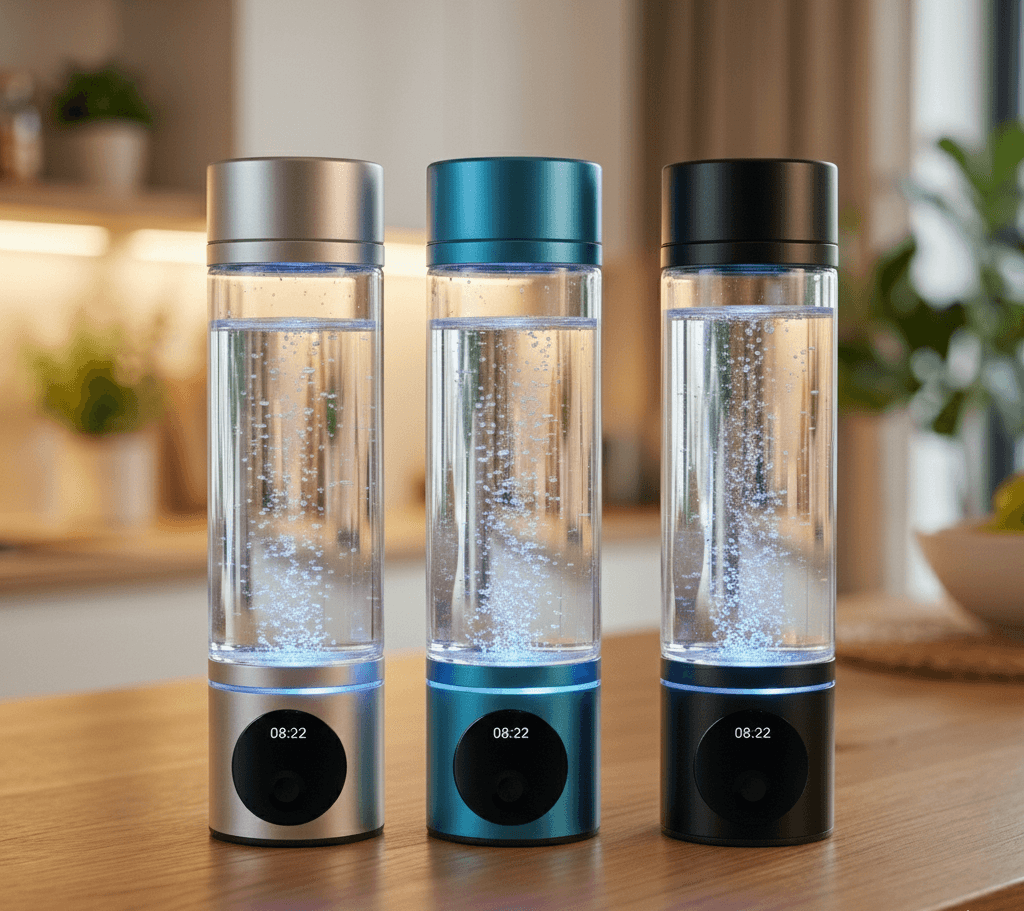
Introduction – The Hydrogen Water Revolution The wellness industry has witnessed explosive growth in hydrogen water technology over the past few years, with portable hydrogen water bottles becoming increasingly popular among health enthusiasts, athletes, and biohackers. As molecular hydrogen gains recognition for its potential antioxidant properties, consumers face a marketplace flooded with options ranging from budget devices to premium systems claiming miraculous results. However, not all hydrogen water bottles are created equal. The technology, hydrogen concentration levels, and build quality vary dramatically between products, making it challenging to separate marketing hype from genuine performance. Many bottles fail to deliver therapeutic hydrogen concentrations, while others use outdated technology that produces unwanted byproducts like ozone and chlorine. This comprehensive guide cuts through the confusion with evidence-based analysis of the top portable SPE and PEM hydrogen water bottles available. We’ve evaluated dozens of products based on hydrogen output, technology quality, build materials, battery performance, and real-world value. Whether you’re seeking maximum hydrogen concentration, premium design, or the best bang for your buck, this guide will help you make an informed decision. Our top pick, the Nixcer Pro Hydrogen Water Bottle, delivers an impressive 8000 PPB hydrogen concentration at a competitive price point, but we’ll explore four additional excellent options to match different needs and budgets. What Are SPE and PEM Hydrogen Water Bottles? Hydrogen water bottles are portable devices that infuse regular drinking water with molecular hydrogen gas through an electrolysis process. Unlike alkaline water or mineral water, hydrogen water specifically focuses on dissolving H2 molecules into water, creating a hydrogen-rich beverage that can be consumed immediately. The electrolysis process works by passing an electrical current through water, which splits H2O molecules into hydrogen and oxygen gases. In basic hydrogen generators, this process can produce unwanted byproducts and lacks efficiency. This is where SPE and PEM technologies become critical differentiators in the market. SPE stands for Solid Polymer Electrolyte, a technology that uses a solid polymer material as the electrolyte instead of liquid solutions. This solid-state approach provides several advantages, including better durability, consistent performance, and the elimination of liquid electrolyte maintenance. SPE technology creates a more controlled electrolysis environment, resulting in purer hydrogen output. PEM stands for Proton Exchange Membrane, which is often used interchangeably with SPE but technically refers to the specific membrane component. The PEM acts as a selective barrier that allows protons to pass through while blocking electrons and gases. This separation is crucial for safety and efficiency. Many modern bottles use combined SPE/PEM systems, which are essentially the same technology with different naming conventions depending on the manufacturer. Why does SPE/PEM technology matter? These advanced systems include critical safety features like dual-chamber designs that vent waste gases (oxygen, ozone, and chlorine) separately from your drinking water. Without this technology, you could be consuming harmful compounds alongside hydrogen. SPE/PEM bottles also achieve significantly higher hydrogen concentrations more reliably than basic electrolysis devices. The platinum or titanium-coated electrodes used in quality SPE/PEM systems ensure longer lifespan and consistent performance over thousands of cycles. When shopping for a hydrogen water bottle, SPE/PEM technology should be considered the baseline standard. Any product lacking these features is outdated and potentially unsafe, regardless of its price point or marketing claims. The Science Behind Hydrogen-Rich Water Molecular hydrogen is the smallest and lightest molecule in existence, consisting of two hydrogen atoms bonded together. This tiny size gives H2 a unique advantage in biological systems because it can easily penetrate cell membranes, the blood-brain barrier, and even enter mitochondria where cellular energy production occurs. The primary mechanism of interest for hydrogen water is its potential role as a selective antioxidant. Unlike broad-spectrum antioxidants that can interfere with beneficial oxidative signaling, molecular hydrogen appears to selectively neutralize the most harmful free radicals, particularly hydroxyl radicals, without disrupting important cellular processes. This selectivity is what makes hydrogen potentially unique among antioxidant compounds. Research into hydrogen-rich water has expanded significantly over the past two decades, with over 1,000 peer-reviewed studies investigating its effects. Studies have explored hydrogen’s potential impact on oxidative stress, inflammation, athletic performance recovery, metabolic health, and various disease conditions. While much of this research remains preliminary and often involves small sample sizes or animal models, the overall body of evidence suggests that hydrogen may offer genuine biological activity rather than being merely placebo. The cellular penetration capability of hydrogen is particularly relevant for athletes and active individuals. Because H2 can reach mitochondria directly, it may help support the cellular energy systems that become stressed during intense exercise. Several studies have indicated that hydrogen-rich water consumed before or after exercise may help reduce lactate accumulation and support recovery markers, though more research is needed to confirm optimal protocols. For therapeutic effects, concentration matters significantly. Research suggests that achieving dissolved hydrogen levels of at least 1000 PPB (parts per billion) or 1.0 PPM (parts per million) is necessary to reach potentially therapeutic thresholds. Lower concentrations may provide minimal to no benefits beyond regular hydration. This is why the hydrogen output capacity of your bottle directly impacts whether you’re getting actual molecular hydrogen benefits or just expensive water. It’s important to maintain realistic, evidence-based expectations. Hydrogen water is not a cure-all miracle solution despite some marketing claims. The current scientific evidence suggests potential benefits for oxidative stress management, exercise recovery support, and general wellness, but it should complement rather than replace a healthy lifestyle, proper nutrition, and medical care when needed. Key Features to Consider When Buying Hydrogen Concentration Levels The hydrogen concentration your bottle can achieve is the single most important specification to evaluate. Concentration is measured in parts per billion (PPB) or parts per million (PPM), where 1000 PPB equals 1.0 PPM. Based on current research, minimum therapeutic levels begin around 1000-1500 PPB, though some studies have used concentrations as low as 500 PPB. High-performance bottles typically deliver 3000-8000 PPB, with the upper end representing cutting-edge technology. Be skeptical of claims exceeding 10,000 PPB, as these levels approach the theoretical saturation limit of hydrogen in water