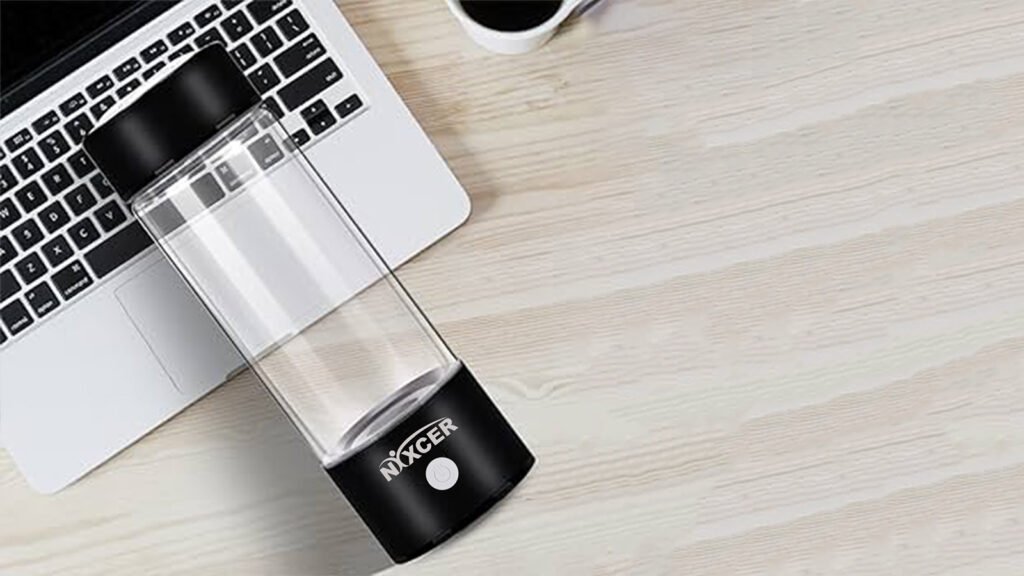
Hydrogen water bottles are booming in popularity, especially among health enthusiasts chasing benefits like reduced inflammation, higher energy levels, and powerful antioxidant effects. But there’s a smelly downside that some users can’t ignore: a strong, unpleasant ozone-like odor coming from the bottle a common issue known with ozone smell hydrogen water bottle models. This strange smell doesn’t just ruin the experience — it raises serious questions:Is this safe? Is it normal? Should I be concerned? In this article, we’ll uncover why some hydrogen water bottles smell like ozone, the real risks involved, and how Nixcer’s advanced technology eliminates the issue completely. If you’re looking for clean, odor-free hydrogen water, keep reading to find out why Nixcer is the smart, safe, and refreshing choice. 🤔 Why Do Some Hydrogen Water Bottles Smell Like Ozone? Ozone (O₃) is a gas with a sharp, chlorine-like smell. It’s often associated with air purifiers or after a lightning storm. In hydrogen water bottles, it can appear as an unwanted byproduct of electrolysis — the process used to create hydrogen-rich water. Here’s what happens: Cheaper bottles also tend to use inferior plastics or metals, which react with the electrolysis process, amplifying the smell and compromising the quality of your drinking water. 🚨 Why You Must Avoid Hydrogen Bottles That Smell Like Ozone The goal of hydrogen water is to boost your health, not make you question what you’re drinking. Even though molecular hydrogen is a proven antioxidant, the presence of ozone or chlorine can cancel out those benefits and even introduce new health risks. That’s why choosing a well-designed bottle that doesn’t produce ozone is critical. Many ozone smell hydrogen water bottle models fail to deliver clean-tasting water. You deserve pure, refreshing hydrogen water—not water tainted with chemical byproducts. 🌟 Nixcer: The Odor-Free Hydrogen Water Bottle That Gets It Right Nixcer has redefined the hydrogen water bottle experience by using premium materials and smart design to completely eliminate the risk of ozone formation. Here’s how they do it: ✅ 1. Advanced SPE/PEM Technology Nixcer uses Solid Polymer Electrolysis (SPE) and Proton Exchange Membrane (PEM) technology—the gold standard in hydrogen generation. This dual system: Unlike cheap bottles that use basic electrolysis, Nixcer delivers safe, clean, and odor-free hydrogen water—every time. ✅ 2. Medical-Grade, BPA-Free Materials Nixcer bottles are built with food-grade stainless steel and polycarbonate, materials chosen specifically to: No more plasticky aftertaste. No more ozone stench. ✅ 3. Optimized for Filtered Water Nixcer bottles perform best with filtered, distilled, or reverse osmosis water, reducing: The result? Smoother, purer hydrogen water, free of the smells and risks caused by untreated tap water. ✅ 4. Dual-Chamber Vent System Their innovative exhaust system actively vents out unwanted byproducts (like oxygen and chlorine) while trapping only pure hydrogen inside the water. This thoughtful design ensures: ✅ 5. Simple Maintenance = Long-Term Freshness Even the best hydrogen water bottle can suffer from buildup if you don’t clean it right. That’s why Nixcer makes cleaning easy and effective. How to clean it: This keeps the electrolysis system efficient and your water consistently fresh and odor-free. 💪 Health Benefits of Hydrogen Water (Without the Smell) When your hydrogen water is pure and odorless, the health benefits truly shine: With Nixcer, you enjoy all these perks without compromising on water quality. 🏆 Why Nixcer Stands Above the Competition Here’s what makes Nixcer the standout choice in the hydrogen water world: Nixcer is built for real life—from your gym bag to your kitchen counter. 🛒 How to Pick the Right Hydrogen Water Bottle (Checklist) When shopping for a hydrogen water bottle, make sure it checks these boxes: ✅ SPE/PEM electrolysis✅ BPA-free, food-grade materials✅ Works with filtered/distilled water✅ Dual-chamber exhaust system✅ Easy to clean and maintain ✔ Nixcer has them all—and more. 🔚 Final Thoughts: Say Goodbye to Ozone Smells If you’re tired of strange smells ruining your hydrogen water experience, the solution is simple: 👉 Switch to Nixcer. Its advanced tech, quality materials, and odor-eliminating design make it the safest and smartest choice for anyone who wants to enjoy the full benefits of hydrogen water—without the ozone drama. So go ahead — take a sip of freshness.With Nixcer, every drop is pure, powerful, and perfectly clean.
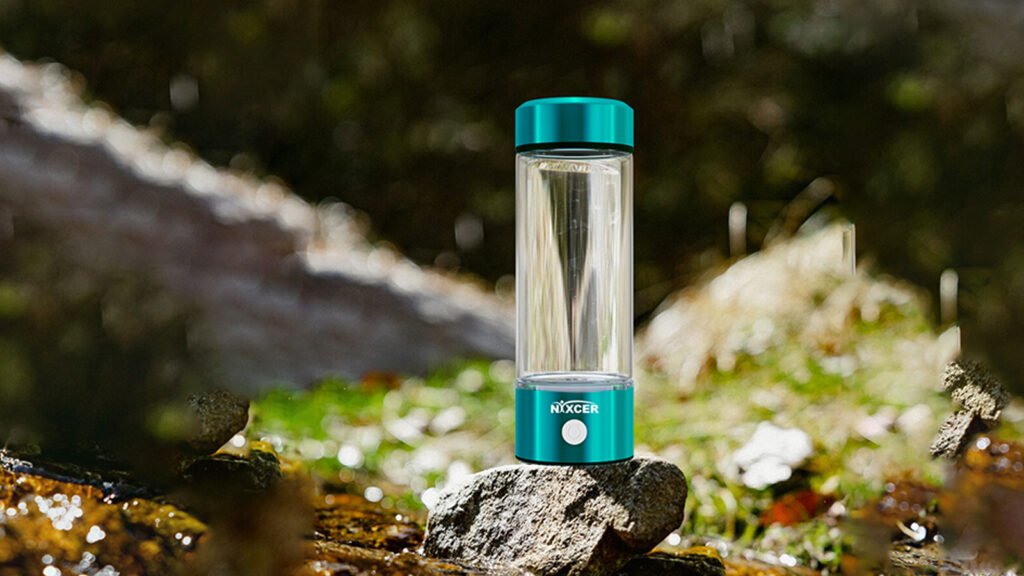
Most high-quality hydrogen water bottles last between 2 to 5 years with proper care and maintenance. Premium models with advanced technology, like the Nixcer Pro Hydrogen Water Bottle, can extend beyond this range when well-maintained. The actual lifespan depends on several critical factors including build quality, battery cycles, PEM membrane durability, frequency of use, and how well you maintain your device. If you’re investing in a hydrogen water bottle, understanding what affects its longevity helps you maximize your purchase and enjoy years of hydrogen-rich water. Understanding Hydrogen Water Bottle Technology Before diving into lifespan details, it’s helpful to understand what makes these devices work and why certain components eventually wear out. How Hydrogen Water Bottles Function Hydrogen water bottles use a process called electrolysis to infuse regular water with molecular hydrogen (H₂). When you activate your bottle, an electric current passes through the water, splitting H₂O molecules into hydrogen and oxygen gases. The hydrogen then dissolves back into your water, creating hydrogen-rich drinking water with potential antioxidant benefits. The key components that make this happen include: SPE/PEM Technology: Solid Polymer Electrolyte (SPE) and Proton Exchange Membrane (PEM) work together to separate hydrogen from oxygen efficiently. These membranes are the heart of your hydrogen bottle and directly impact both performance and lifespan. Platinum-Coated Electrodes: High-quality bottles use platinum or titanium electrodes coated with platinum to conduct electricity and trigger the electrolysis reaction. Premium coatings resist corrosion and maintain efficiency longer. Rechargeable Lithium-Ion Battery: Powers the electrolysis process. Battery quality and capacity significantly affect how long your bottle remains functional. Dual-Chamber Design: Advanced bottles like the Nixcer Pro feature dual chambers that vent unwanted oxygen and ozone gases separately, ensuring you get pure hydrogen-infused water. Why Component Quality Matters Not all hydrogen water bottles are created equal. Budget models often use cheaper materials that degrade faster, while premium bottles invest in components engineered for longevity. This quality difference explains why some users report bottles lasting barely a year while others enjoy 5+ years of reliable performance. Average Lifespan: What to Expect Based on extensive market research and user experiences, here’s what you can realistically expect from hydrogen water bottles at different quality levels: Budget Models ($50-$100) Mid-Range Models ($100-$200) Premium Models ($200+) The Nixcer Pro Hydrogen Water Bottle falls into the premium category with its 8000 PPB hydrogen generation capacity, 1600mAh battery, and platinum-coated dual-chamber system. With proper care, users can expect 3-5 years or more of consistent high-performance hydrogen production. Key Factors That Determine Hydrogen Bottle Lifespan Multiple variables influence how long your hydrogen water bottle will last. Understanding these helps you make smarter choices during purchase and extends your bottle’s functional life. 1. PEM Membrane Quality and Durability The Proton Exchange Membrane is arguably the most critical component affecting lifespan. This thin membrane separates hydrogen from oxygen during electrolysis, ensuring you get pure, beneficial hydrogen water. PEM Lifespan Calculation: Real-world factors affecting PEM longevity: The Nixcer Pro uses advanced platinum-coated SPE/PEM technology designed for extended durability, producing up to 8000 PPB of hydrogen concentration while maintaining membrane integrity through its dual-chamber design that prevents contamination. 2. Battery Life and Charge Cycles Hydrogen water bottles rely on rechargeable lithium-ion batteries, which have finite lifespans measured in charge cycles. Understanding Battery Longevity: Battery Lifespan in Years: With daily use, a 500-cycle battery typically provides: Battery Care Best Practices: The Nixcer Pro’s 1600mAh battery provides approximately 13 cycles per charge, significantly reducing charging frequency and extending overall battery lifespan. This high capacity means less wear from constant recharging. 3. Build Quality and Material Selection The materials used in your hydrogen bottle directly impact how well it withstands daily use and environmental stressors. Premium Material Benefits: Certification Matters: Bottles meeting multiple certifications demonstrate commitment to quality and typically last longer than uncertified alternatives. The Nixcer Pro features BPA-free materials with both CE and RoHS certification, ensuring safety and durability. 4. Frequency of Use and Usage Patterns How often you use your hydrogen bottle significantly affects its lifespan. Light Use (1-2 cycles daily): Moderate Use (3-5 cycles daily): Heavy Use (6+ cycles daily): Usage Tips for Longevity: The Nixcer Pro offers dual time modes (5-minute quick cycle producing 4000PPB and 10-minute deep cycle producing 8000PPB), allowing users to match hydrogen intensity to their needs and reduce unnecessary wear on components. 5. Water Quality Input The water you put into your hydrogen bottle dramatically affects how long the device lasts. Best to Worst Water Types for Bottle Longevity: Why Tap Water Reduces Lifespan: Water Quality Impact: Using tap water consistently can reduce your bottle’s effective lifespan by 30-50% compared to using filtered or distilled water. If your tap water is hard (high mineral content), this impact increases even more. 6. Maintenance and Cleaning Routines Regular maintenance is perhaps the most controllable factor in extending your hydrogen bottle’s life. Essential Cleaning Schedule: After Each Use (30 seconds): Weekly Deep Clean (5-10 minutes): Monthly Descaling (15 minutes): Maintenance Mistakes to Avoid: The Nixcer Pro’s design makes maintenance straightforward with its accessible chamber and quality construction that resists buildup when properly maintained. 7. Storage and Environmental Conditions How and where you store your hydrogen bottle affects its longevity. Optimal Storage Conditions: Environmental Factors That Reduce Lifespan: Long-Term Storage Tips: If not using your bottle for weeks or months: Signs Your Hydrogen Water Bottle Needs Replacement Knowing when your bottle has reached the end of its effective lifespan helps you make timely replacements before quality suffers. Performance Indicators Declining Hydrogen Production: Battery Issues: Physical Deterioration: Operational Problems: When to Repair vs. Replace Consider Repair When: Time to Replace When: Most modern hydrogen bottles, including the Nixcer Pro, feature non-replaceable PEM membranes designed to match battery lifespan. This intentional design means when the bottle reaches end-of-life, full replacement makes more economic sense than complex repairs. Maximizing Your Hydrogen Water Bottle’s Lifespan Want to get 5+ years from your hydrogen bottle? These proven strategies help you maximize your investment. Essential Daily Habits Morning Routine: After Each Use: Evening Check: Weekly Maintenance